As the chill of winter sets in, ensuring your home remains warm and comfortable becomes a top priority. While various heating solutions are available, the choice between an oil-filled radiator and an indoor propane heater often comes down to one critical factor: safety. For many homeowners and families, understanding the inherent differences in their operation and potential risks is paramount to making an informed decision that prioritizes well-being. This guide will delve into why oil-filled radiators generally present a significantly safer option for indoor heating compared to their propane-fueled counterparts.
Understanding Oil-Filled Radiators: A Combustion-Free Approach
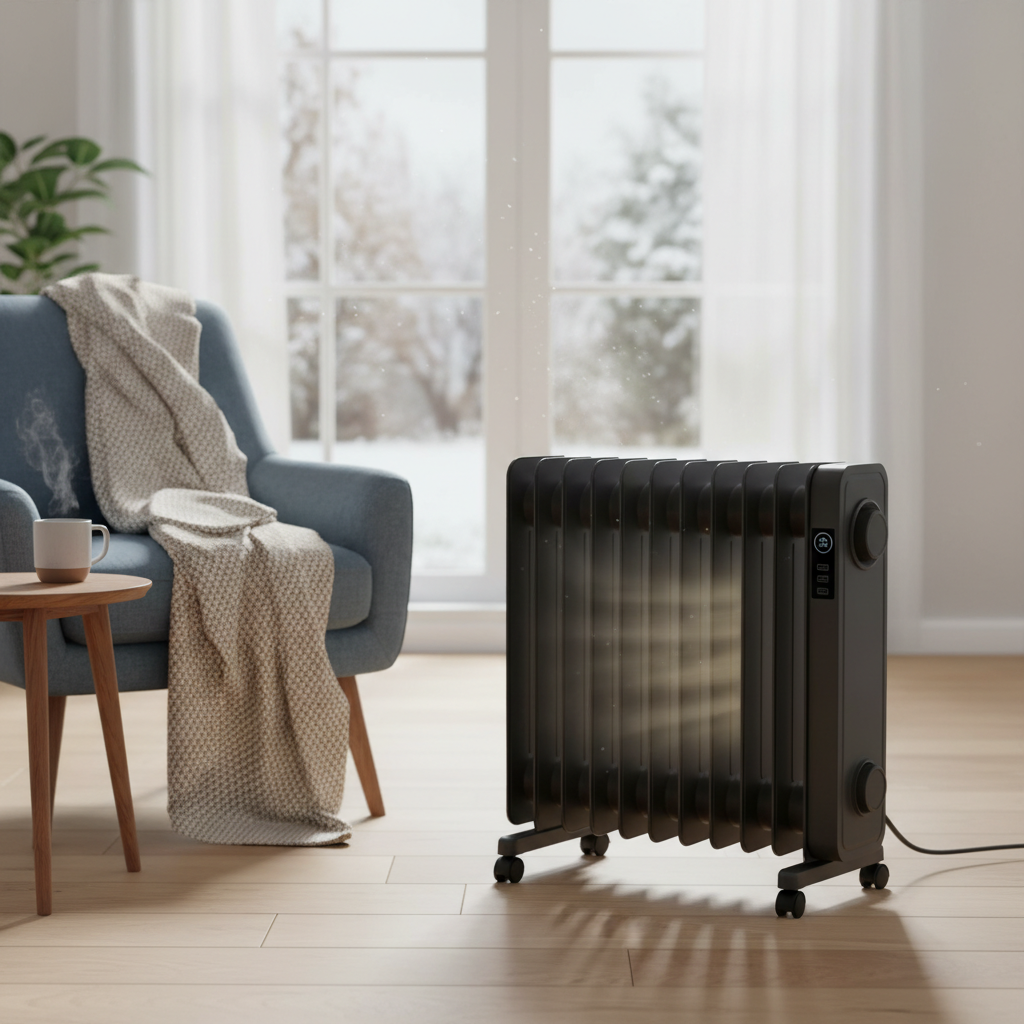
Oil-filled radiators, also known as oil-filled heaters or column heaters, are a popular choice for supplementary indoor heating due to their unique, combustion-free operation. Unlike fuel-burning heaters, these devices are electric. An internal heating element warms diathermic oil sealed within the radiator’s fins. This heated oil circulates throughout the fins by convection, transferring warmth to the metal surfaces, which then radiate a gentle, consistent heat into the room.
The primary safety advantage of this design lies in the complete absence of combustion. Because no fuel is burned, oil-filled radiators produce no exhaust fumes, soot, or dangerous carbon monoxide (CO) emissions. This makes them inherently safer for use in enclosed indoor spaces, including bedrooms and nurseries, where ventilation might be limited. Additionally, they operate with a typically lower surface temperature than direct-element heaters, significantly reducing the risk of accidental burns from touching the unit. Modern oil-filled radiators also come equipped with essential safety features such as overheat protection and tip-over switches, automatically shutting off the unit if it becomes too hot or is accidentally knocked over.
The Inherent Risks of Indoor Propane Heaters
Conversely, indoor propane heaters, while capable of delivering powerful warmth, come with a distinct set of safety concerns rooted in their combustion process. Propane, a fossil fuel, burns to produce heat, which inherently generates byproducts that can pose serious risks in poorly ventilated indoor environments.
The most critical danger associated with propane heaters is carbon monoxide (CO) poisoning. CO is a colorless, odorless, and tasteless gas produced when propane burns incompletely. Without adequate ventilation, CO can rapidly accumulate, leading to symptoms like dizziness, nausea, and, in severe cases, fatal poisoning. Propane heaters also consume oxygen from the surrounding air, which can be a concern in tightly sealed rooms. Furthermore, propane itself is a highly flammable gas. Leaks from tanks, hoses, or connections can cause propane to accumulate, creating a significant fire and explosion hazard. Open flames or extremely hot surfaces on some propane models also present a direct ignition risk to nearby flammable materials like curtains, bedding, or furniture, necessitating strict clearance distances. While many indoor-rated propane heaters include safety features like Oxygen Depletion Sensors (ODS) and tip-over switches, these are reactive measures to an inherently risky operation, and their effectiveness relies on proper maintenance and usage.
A Direct Safety Comparison: Oil-Filled Radiators vs. Propane Heaters
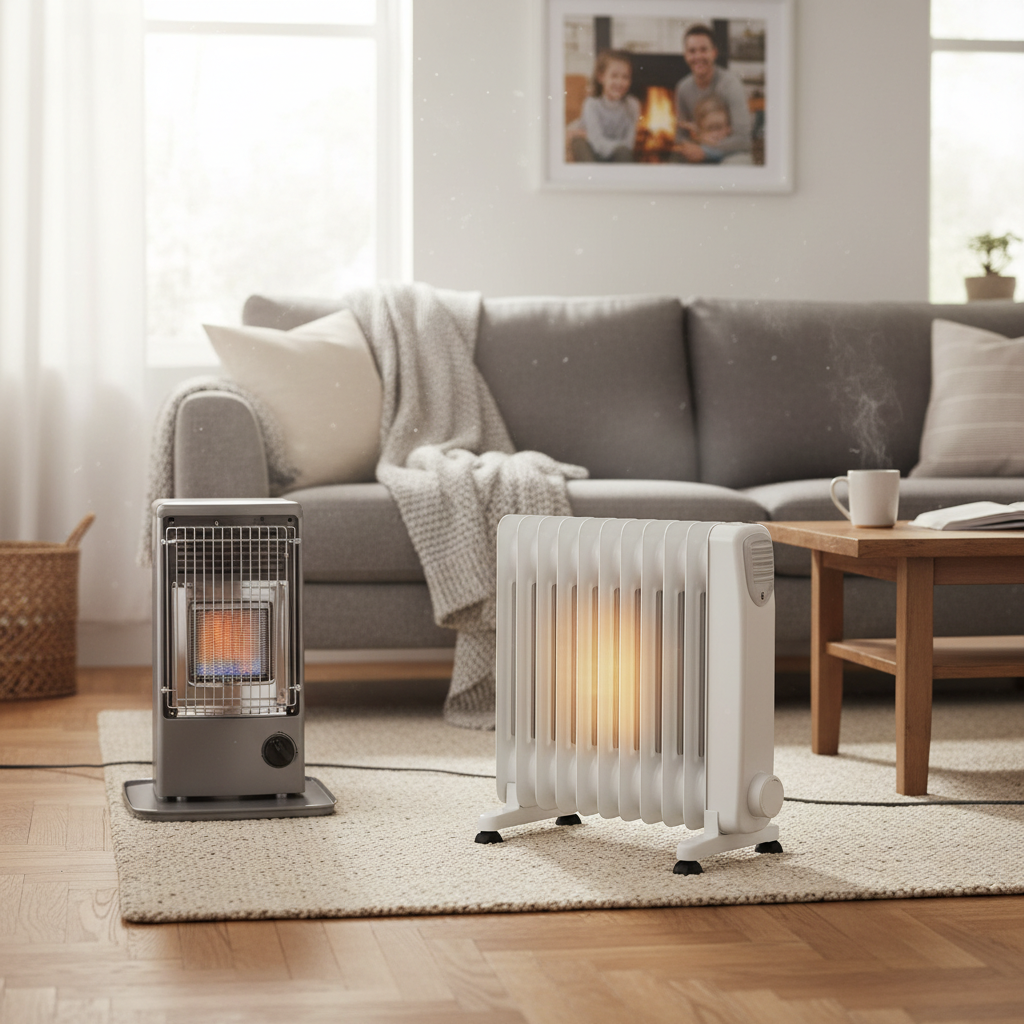
When evaluating the safety of heating appliances for your home, a direct comparison reveals clear distinctions between oil-filled radiators and indoor propane heaters.
Carbon Monoxide and Air Quality
|
Our Picks for the Best Oil filled radiator in 2026
As an Amazon Associate I earn from qualifying purchases.
|
||
| Num | Product | Action |
|---|---|---|
| 1 | Pelonis Oil Filled Radiator Heater for Large Space, 2025 Upgraded, Space Heaters with 1500W Quiet Warmth Radiant Heater, 3 Heating Modes, Overheat & Tip-Over Protection, Adjustable Thermostat, White |

|
| 2 | PELONIS Radiator Heater for indoor use Large Room with Remote, Thermostat & LED Display, Quiet Oil Filled Heater with 5 Temperature Settings, Overheat & Tip-Over Protection, Silver |
|
| 3 | Amazon Basics Portable Oil Radiator Heater, Indoor Use, 3 Heat Settings, Over-Heat Protection, ETL-certified Safety, 7 Oil-Filled Steel Fins, 1500W, Tip-Over Protection, 11"D x 14.8"W x 25.2"H, White |
|
| 4 | PELONIS Oil Filled Radiator, Electric Space Heater for Indoor Use Large Room with Thermostat & Remote, 3 Modes & 3 Heat Settings, ECO Mode, 24H Timer, Quiet, Overheat & Tip-Over Protection, 1500W |
|
| 5 | DREO Oil Filled Radiator, Electric Radiant Heaters for indoor use Large Room with Remote Control, Child Lock, 4 Modes, Overheat & Tip-Over Protection, 24h Timer, Digital Thermostat, Quiet, 1500W |
|
| 6 | PELONIS Radiator Heater for Large Space, Electric Oil Filled Radiator, Dual Knobs, 1500W, Quiet Space Heater, 3 Modes, Tip-over Protection |
|
| 7 | Amazon Basics Portable Oil Space Heater with Remote Control, 7 Oil-Filled Fins, Adjustable Thermostat, 3 Heat Settings, Tip-Over and Overheat Protection, ETL Safety Certificate, 1500W, Black |
|
| 8 | Amazon Basics Portable Oil Space Heater with 7 Oil-Filled Fins, 3 Heat Settings, Adjustable Thermostat, Tip-Over and Overheat Protection, ETL Safety Certificate, 1500W, Black |
|
| 9 | PELONIS Radiator Heater for Large Space, Electric Oil Filled Radiator, Dual Knobs, 1500W, Quiet Space Heater, 3 Modes, Tip-over Protection |
|
| 10 | Pelonis Oil Filled Radiator Heater for Large Space, 2025 Upgraded, Space Heaters with 1500W Quiet Warmth Radiant Heater, 3 Heating Modes, Overheat & Tip-Over Protection, Adjustable Thermostat, Black |
|
The most significant divergence lies in their impact on indoor air quality. Oil-filled radiators produce zero carbon monoxide or other harmful combustion byproducts because they operate purely on electricity without burning any fuel. This makes them a superior choice for maintaining healthy indoor air quality. Propane heaters, however, always produce some level of carbon monoxide, and without sufficient ventilation, this can quickly become a deadly hazard. Even indoor-rated propane heaters with ODS technology, designed to shut off when oxygen levels are too low, still pose a risk if not used with extreme caution and proper ventilation. An HVAC safety expert notes, “Oil-filled radiators do not release fumes or carbon monoxide, making them ideal for indoor use, especially where air quality is a concern.”
Fire and Burn Hazards
Oil-filled radiators are designed with safety in mind to mitigate fire and burn risks. They operate without an open flame or exposed heating elements, substantially reducing the chance of igniting nearby combustibles. Their surface temperatures, while warm, are generally lower and designed to be less likely to cause severe burns upon incidental contact, particularly with modern designs that shield the fins. In contrast, propane is a highly flammable gas, and leaks can lead to explosive situations. Many propane heaters feature open flames or extremely hot radiant surfaces that can easily ignite fabrics, paper, or other flammable materials if placed too close. The risk of fire is significantly higher with propane heaters due to the nature of their fuel and operation.
Built-in Safety Features
Both types of heaters incorporate various safety features, but they address different categories of risk. Oil-filled radiators typically include automatic thermal cut-offs to prevent overheating, internal pressure regulation to prevent oil expansion issues, and tip-over switches. These features primarily manage electrical and thermal risks. Propane heaters, particularly those certified for indoor use, are mandated to have Oxygen Depletion Sensors (ODS) and often include tip-over switches and flame-out sensors. While these are crucial for mitigating the specific combustion-related risks of propane, they are essential safeguards against inherent dangers rather than the absence of danger.
Fuel Storage and Handling
Oil-filled radiators require no external fuel storage; they simply plug into an electrical outlet. The heating oil is permanently sealed within the unit, requiring no refills or handling. Propane heaters, conversely, require propane tanks, which must be stored and handled with care. Proper storage of propane tanks, regular leak checks (using methods like a soapy water test), and secure connections are vital to prevent dangerous gas leaks. The highly flammable nature of propane means any mishandling or faulty connection can lead to serious incidents.
Key Considerations for Safe Indoor Heating
Regardless of your heater choice, adherence to safety guidelines is paramount. For any portable heater, maintaining at least one meter (three feet) of clearance from flammable objects such as curtains, furniture, or bedding is essential.
For propane heaters, proper ventilation is not merely a recommendation; it is a critical safety requirement. Even indoor-rated models require fresh air exchange to prevent the buildup of carbon monoxide and the depletion of oxygen. Installing and regularly checking carbon monoxide detectors in any room where a combustion heater is used is absolutely non-negotiable. “Never use an outdoor propane heater indoors,” cautions a heating appliance specialist, “as they lack the necessary safety systems for enclosed spaces.” Always verify that your propane heater is explicitly rated for indoor use.
Oil-filled radiators benefit from being placed on a flat, stable surface and never being covered, which can lead to overheating. While generally safer, exercising caution, especially around children and pets, to prevent contact with warm surfaces is always advisable.
Choosing the Right Heater for Your Home: Prioritizing Safety
When selecting an indoor heating solution, prioritizing safety means understanding the fundamental differences in how oil-filled radiators and propane heaters operate.
For general indoor use, particularly in living areas, bedrooms, or any space where continuous, unsupervised operation might occur, an oil-filled radiator is overwhelmingly the safer choice. Its combustion-free design eliminates the risks of carbon monoxide poisoning, oxygen depletion, and open flames, while integrated safety features provide additional protection against electrical and thermal hazards. They offer a gentle, radiant warmth without impacting indoor air quality.
Propane heaters are best suited for well-ventilated garages, workshops, or outdoor spaces. If considered for indoor use, it must be with extreme caution, ensuring the model is specifically indoor-rated and used only with ample ventilation, functioning CO detectors, and constant vigilance. For most residential indoor heating needs, especially where children, pets, or individuals with respiratory sensitivities are present, the inherent risks associated with propane combustion make it a less desirable option compared to the consistent and safe warmth provided by an oil-filled radiator.
Ultimately, while both can provide heat, the peace of mind that comes with a combustion-free appliance like an oil-filled radiator often outweighs the potentially higher heat output of a propane heater for typical indoor scenarios.
Conclusion
When seeking to warm your home safely, the distinction between oil-filled radiators and indoor propane heaters is clear. Oil-filled radiators stand out as a safer option due to their reliance on electricity, eliminating dangerous combustion byproducts like carbon monoxide and reducing fire risks from open flames. Their design, focused on radiant heat and equipped with modern safety features, offers reliable warmth without compromising indoor air quality or increasing the risk of burns. While propane heaters can serve a purpose in specific, well-ventilated environments, their inherent combustion risks necessitate extreme caution and vigilance, making them less suitable for general indoor use. Prioritizing a combustion-free heating solution ensures a warmer home and greater peace of mind. What steps will you take to ensure your home heating is as safe as it is comfortable this winter?
Câu Hỏi Thường Gặp
Are oil-filled radiators truly safe to leave on overnight?
Yes, modern oil-filled radiators are generally considered safe to leave on overnight. They are designed with multiple safety features such as overheat protection and tip-over switches, and they do not produce carbon monoxide or have open flames, which are common concerns with other heater types.
How close can an oil-filled radiator be to furniture?
It is recommended to maintain a minimum clearance of at least one meter (three feet) between an oil-filled radiator and any flammable materials like furniture, curtains, or bedding. This precaution helps prevent any potential overheating or fire hazards, even with the heater’s lower surface temperatures.
What are the main dangers of using a propane heater indoors?
The main dangers of using a propane heater indoors include carbon monoxide poisoning due to incomplete combustion, oxygen depletion in enclosed spaces, and fire or explosion hazards from propane leaks or direct contact with flammable materials. Strict ventilation and CO detectors are crucial for any indoor propane use.
Do oil-filled radiators emit any harmful fumes?
No, oil-filled radiators do not emit any harmful fumes or combustion byproducts because they operate electrically and do not burn any fuel. The oil inside is sealed and acts as a heat reservoir, ensuring clean, scent-free heat that does not impact indoor air quality.
Can I use an outdoor propane heater inside my house?
No, you should never use an outdoor propane heater inside your house. Outdoor propane heaters are not equipped with the necessary safety features, like Oxygen Depletion Sensors, required for indoor use, and they pose an extremely high risk of carbon monoxide poisoning and fire in enclosed spaces.