As the chill of evening descends upon your campsite, the thought of a warm, cozy interior becomes incredibly appealing. While traditional camping heaters have their place, low wattage oil-filled radiators offer a unique blend of silent operation, consistent warmth, and energy efficiency, making them an excellent choice for tents, RVs, and caravans in 2026. This guide explores why these heaters are perfect for your outdoor adventures and helps you navigate the best options available to ensure your camping experiences are comfortably warm and power-smart.
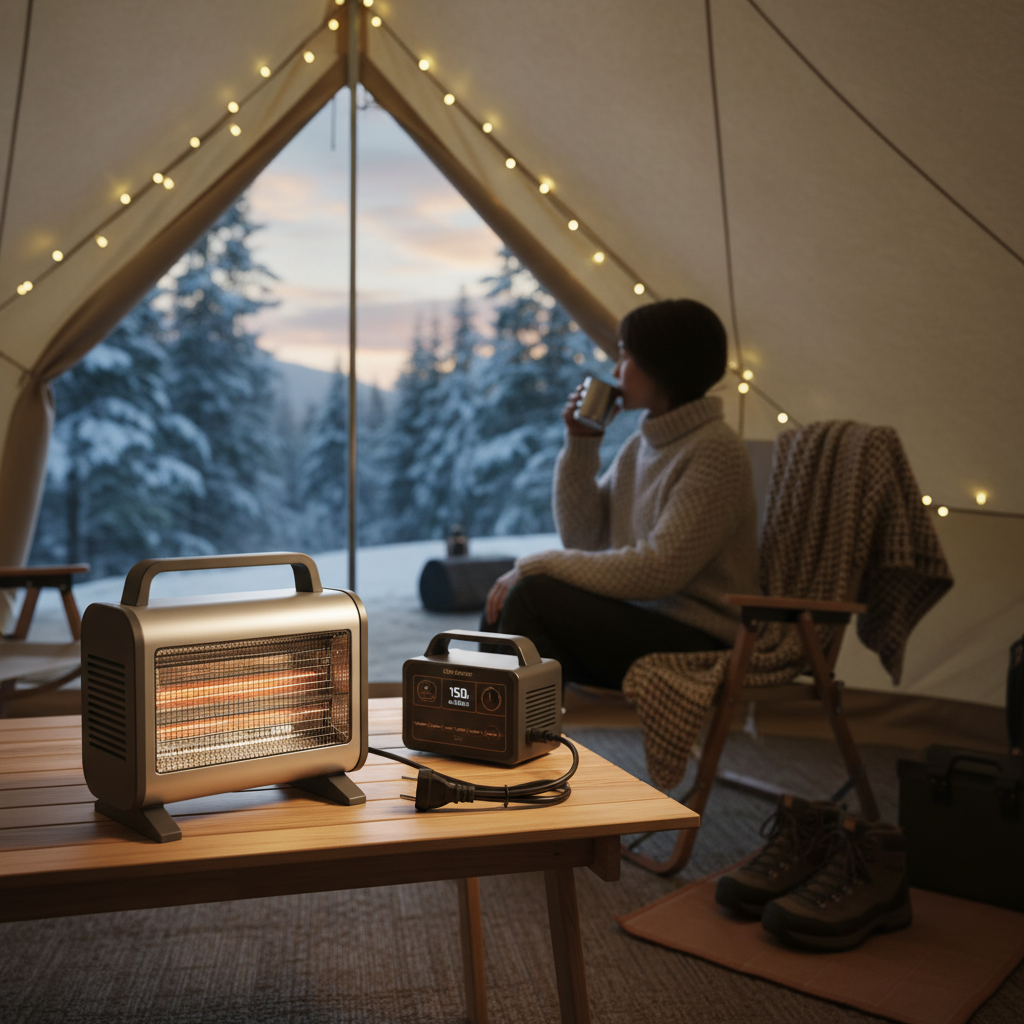
What is a Low Wattage Oil Filled Radiator and Why for Camping?
An oil-filled radiator is an electric heater that uses diathermic oil, permanently sealed inside its metal fins, as a heat reservoir. Electricity heats this oil, which then radiates warmth into the surrounding air through natural convection. Unlike fan heaters that blow hot air, oil radiators deliver a gentle, consistent heat that spreads evenly and doesn’t dry out the air.
For camping, “low wattage” typically refers to models drawing between 400 and 800 watts. This power range is crucial for compatibility with campsite electrical hookups, which often have amp limits, and for minimizing drain on portable power stations or RV battery banks.
Advantages for Camping
- Silent Operation: Without a fan, these heaters operate in near-silence, ensuring peaceful nights in your tent or RV.
- Consistent, Gentle Heat: They provide a steady, radiant warmth that permeates the space, maintaining a comfortable temperature for extended periods.
- Energy Efficiency for Sustained Warmth: Once the oil is heated, it retains warmth, allowing the unit to cycle on and off less frequently to maintain the desired temperature, which can lead to lower overall power consumption for continuous heating.
- Enhanced Safety: With no exposed heating elements and a sealed oil system, oil-filled radiators are generally considered safer than many combustion or fan-based heaters. They produce no carbon monoxide, making them suitable for enclosed spaces, and often include essential safety features like tip-over and overheat protection.
- Doesn’t Dry Out Air: The radiant heat doesn’t blast dry air, preserving humidity and making the environment more comfortable.
|
Our Picks for the Best Oil filled radiator in 2026
As an Amazon Associate I earn from qualifying purchases.
|
||
| Num | Product | Action |
|---|---|---|
| 1 | Amazon Basics Portable Oil Space Heater with 7 Oil-Filled Fins, 3 Heat Settings, Adjustable Thermostat, Tip-Over and Overheat Protection, ETL Safety Certificate, 1500W, Black |

|
| 2 | PELONIS Radiator Heater for indoor use Large Room with Remote, Thermostat & LED Display, Quiet Oil Filled Heater with 5 Temperature Settings, Overheat & Tip-Over Protection, Silver |
|
| 3 | Pelonis Oil Filled Radiator Heater for Large Space, 2025 Upgraded, Space Heaters with 1500W Quiet Warmth Radiant Heater, 3 Heating Modes, Overheat & Tip-Over Protection, Adjustable Thermostat, Black |
|
| 4 | Amazon Basics Portable Oil Radiator Heater, Indoor Use, 3 Heat Settings, Over-Heat Protection, ETL-certified Safety, 7 Oil-Filled Steel Fins, 1500W, Tip-Over Protection, 11"D x 14.8"W x 25.2"H, White |
|
| 5 | Amazon Basics Portable Oil Space Heater with Remote Control, 7 Oil-Filled Fins, Adjustable Thermostat, 3 Heat Settings, Tip-Over and Overheat Protection, ETL Safety Certificate, 1500W, Black |
|
| 6 | PELONIS Oil Filled Radiator, Electric Space Heater for Indoor Use Large Room with Thermostat & Remote, 3 Modes & 3 Heat Settings, ECO Mode, 24H Timer, Quiet, Overheat & Tip-Over Protection, 1500W |
|
| 7 | Pelonis Oil Filled Radiator Heater for Large Space, 2025 Upgraded, Space Heaters with 1500W Quiet Warmth Radiant Heater, 3 Heating Modes, Overheat & Tip-Over Protection, Adjustable Thermostat, White |
|
| 8 | PELONIS Radiator Heater for Large Space, Electric Oil Filled Radiator, Dual Knobs, 1500W, Quiet Space Heater, 3 Modes, Tip-over Protection |
|
| 9 | PELONIS Radiator Heater for Large Space, Electric Oil Filled Radiator, Dual Knobs, 1500W, Quiet Space Heater, 3 Modes, Tip-over Protection |
|
| 10 | DREO Oil Filled Radiator, Electric Radiant Heaters for indoor use Large Room with Remote Control, Child Lock, 4 Modes, Overheat & Tip-Over Protection, 24h Timer, Digital Thermostat, Quiet, 1500W |
|
Disadvantages for Camping
- Slow Warm-Up Time: Oil needs to heat up before the unit begins radiating warmth, meaning they are not ideal for instant heat.
- Weight and Bulk: Compared to compact fan heaters, oil-filled radiators can be heavier and bulkier, which might be a consideration for backpackers or those with limited storage.
- Hot Surface: While safer than exposed elements, the metal fins can become hot to the touch, requiring careful placement, especially around children or pets.
- Reliance on Electricity: They require a stable power source, which might limit their use in completely off-grid or primitive camping scenarios without a robust battery and inverter setup.
When compared to other heating solutions, low wattage oil heaters offer sustained warmth that ceramic heaters deliver in quick bursts, and they operate silently, unlike noisy fan heaters. Crucially, they eliminate the carbon monoxide risks associated with propane or diesel heaters, providing peace of mind in confined spaces.
Types of Low Wattage Oil Heaters for Camping
The diversity of low wattage oil heaters caters to different camping styles and power availability. Understanding these classifications helps in choosing a model that best suits your specific needs.
By Wattage
- 400W Models: These are the most energy-efficient, ideal for minimalist setups, small tents, or when power draw is extremely limited, such as with smaller portable power stations or highly sensitive campsite electrical systems. They provide a gentle background warmth to take the chill off.
- 500-700W Models: A popular range for small to medium RVs, vans, or larger tents. They offer a good balance between heat output and power consumption, capable of making a noticeable difference in temperature without typically overloading standard 15-amp campsite circuits.
- 800-1000W Models: These provide more substantial warmth for larger RV living areas or for colder conditions. While still considered “low wattage” in a broader sense, 800W is often the sweet spot for many RVers on shore power, offering ample heat without risking tripped breakers on most standard campground pedestals.
By Design and Features
Low wattage oil heaters come with a variety of designs and features optimized for portability and safety in camping environments. Look for:
- Compact & Lightweight Designs: Essential for easy transport and storage in tight camping spaces. Many feature integrated carry handles.
- Adjustable Thermostats: Allow you to set and maintain your desired temperature, optimizing comfort and energy use.
- Safety Cut-Outs: Automatic overheat protection and tip-over switches are non-negotiable for safety in a dynamic camping setting.
- Fin Count: More fins generally mean a larger surface area for heat dispersion, leading to more efficient warming, though this can also increase size.
- Cord Storage: A small but significant convenience for portability and keeping your space tidy.
Top Low Wattage Oil Heaters for Camping 2026: Reviewed
Selecting the perfect low wattage oil heater for your camping adventures in 2026 means balancing heat output with power efficiency and practical features. While specific “2026 models” often refer to ongoing product lines with minor updates, here are exemplary types of low wattage oil heaters well-suited for camping, based on current designs and features.
| Model Type (Example) | Wattage | Ideal Space | Key Features | Pros for Camping | Cons |
|---|---|---|---|---|---|
| NewAir AH-400 | 400W | Small tents, personal space, micro-RVs (up to 40 sq ft) | Flat-panel, adjustable thermostat, tip-over switch, overheat protection, carry handle | Ultra-low power draw, highly portable, silent | Limited heat output for larger spaces, slow warm-up |
| De’Longhi Bambino TRN0505M | 500W | Small RVs, van conversions, larger tents, cab areas | Compact, rounded edges, carry handles, adjustable thermostat, overheat safety, anti-frost | Very compact, good for tight spaces, low running costs, good safety features | Moderate heat output, can be slow to heat larger areas |
| Air Choice 700W Oil Heater | 700W | Small to medium RVs, larger tents (up to 120 sq ft) | High/low modes, adjustable thermostat, auto shut-off (overheat & tip-over), durable steel | Good balance of heat and efficiency, very quiet, robust safety features | Still takes time to warm up fully |
| Quest Maui Oil Filled Radiator | 800W | Caravans, motorhomes, larger tents/awnings | 7-fin design, adjustable thermostat, overheat protection, carry handle, cord storage | Strong heat dispersion, approved for many low-wattage campsites, good portability for its size | Higher end of “low wattage,” heavier than smallest models |
The NewAir AH-400 excels for minimalists seeking ultra-low power consumption for personal warmth in tiny spaces. The De’Longhi Bambino 500W offers a compact, safe option for taking the chill off in small RV zones. The Air Choice 700W provides a versatile middle ground with solid heating for small to medium areas, while the Quest Maui 800W is a robust choice for those needing more warmth in caravans or motorhomes, particularly where campsite power limits are a concern.
How to Choose the Right Low Wattage Oil Heater for Your Camping Needs
Selecting the ideal low wattage oil heater involves assessing several factors to ensure it aligns with your camping style and comfort expectations.
Assess Your Power Source Compatibility
The most critical factor for camping heaters is power consumption.
- Campsite Hookups: Many campgrounds have 15-amp or 30-amp electrical pedestals. An 800W heater (approx. 6.7 amps at 120V) typically works well without tripping breakers. Always check your site’s amperage limit.
- Portable Power Stations/RV Battery Banks: If off-grid, match the heater’s wattage to your power station’s continuous output capacity and consider your battery’s total amp-hour rating for run time. Lower wattage (e.g., 400W-500W) is preferable here to maximize battery life.
Consider Your Space
The size of the area you intend to heat dictates the required wattage.
- Small Tents/Micro-RVs (under 50 sq ft): A 400W to 500W heater might be sufficient for personal warmth.
- Small to Medium RVs/Vans/Large Tents (50-120 sq ft): 700W to 800W models offer more effective heating.
- Larger RV Living Areas: While the focus is low wattage, for larger spaces, you might need an 800W model or consider supplemental heating with blankets. Remember, an oil heater will struggle to rapidly heat a very large, uninsulated space.
Prioritize Safety Features
Safety is paramount, especially in confined camping environments. Look for:
- Overheat Protection: Automatically shuts off the unit if it gets too hot.
- Tip-Over Safety Switch: Immediately cuts power if the heater is accidentally knocked over.
- Cool-Touch Exterior: While oil heaters’ fins do get hot, some models are designed with features to minimize extreme surface temperatures, particularly helpful if children or pets are present.
Look for Portability and Size
Camping often means limited space. Choose a heater that:
- Is Compact: Fits easily into small nooks or storage compartments when not in use.
- Is Lightweight: Easy to carry from your vehicle to the setup location.
- Has Carry Handles: For convenient transport.
- Includes Cord Storage: Keeps the power cord tidy and prevents tripping hazards.
Check for Thermostat and Control Options
- Adjustable Thermostat: Allows precise temperature control, saving energy and maintaining comfort.
- Multiple Heat Settings: Provides flexibility to choose between lower and higher heat outputs depending on the ambient temperature and power availability.
Safe and Effective Use & Maintenance of Your Camping Oil Heater
Maximizing the performance and safety of your low wattage oil heater requires adherence to specific usage and maintenance guidelines.
Setup and Operation Guidelines
- Level Surface: Always place the heater on a firm, flat, and level surface to ensure stability and proper operation of safety features like the tip-over switch.
- Clearance from Combustibles: Maintain a minimum distance of at least one meter (about 3 feet) from all combustible materials such as sleeping bags, curtains, furniture, or clothes. Never cover the heater.
- Direct Plug-In: Plug the heater directly into a wall outlet. Avoid using extension cords, power strips, or adapters, as these can easily overload and pose a fire hazard, especially with continuous high-wattage draw.
- Supervised Use: While generally safer, avoid leaving the heater running unattended for extended periods or while you are sleeping, unless it has robust, verified safety certifications and you have functioning smoke and carbon monoxide detectors.
- Proper Ventilation (for tents): Even though oil heaters don’t produce CO, good airflow helps distribute heat and prevents stuffiness.
Important Safety Precautions
“Electric oil radiators are among the safest space heaters available to the public. As with any portable space heater, never lay a clothing item or ANYTHING on top of the oil radiator, when in use or when NOT in use.”
- Children and Pets: The surface of oil heaters can get hot. Position the heater out of reach or consider using a protective guard if you have young children or curious pets in your camping space.
- No Drying Clothes: Never attempt to dry clothes or other items on or near the heater. This can block heat dissipation, lead to overheating, and create a fire risk.
- Regular Checks: Periodically check the heater’s cord and plug for any signs of damage or fraying. If found, discontinue use immediately.
Cleaning and Storage Tips
- Unplug Before Cleaning: Always ensure the heater is unplugged and completely cool before attempting any cleaning.
- Dust Removal: Use a soft, damp cloth to wipe down the exterior surfaces. Regularly remove dust and debris from between the fins with a soft brush or vacuum cleaner attachment to maintain efficiency and prevent potential fire hazards from dust buildup.
- Proper Storage: When not in use, store the heater in a dry, safe place where it won’t be damaged. Use any integrated cord storage features to keep the cable tidy.
Troubleshooting Common Oil Heater Issues
Even reliable appliances can encounter occasional hiccups. Knowing how to troubleshoot common issues can save you time and ensure uninterrupted warmth on your camping trips.
- Heater Not Warming Up Quickly: Oil-filled radiators inherently have a slower warm-up time compared to fan heaters. This is normal as the oil needs to heat up before radiating warmth. Give it 15-30 minutes, especially on colder starts.
- Unit Stops Working Suddenly:
- Overheat Protection: The heater’s internal safety thermostat may have been triggered if it became too hot. Unplug it, let it cool down for 20-30 minutes, remove any obstructions, and then try restarting.
- Tip-Over Switch: If the heater was bumped or placed on an uneven surface, the tip-over switch might have activated. Ensure it’s on a stable, level surface.
- Power Supply: Check your power source. A tripped breaker at a campsite pedestal or an overloaded portable power station could be the culprit. Reduce other electrical loads if necessary.
- Unusual Noises: Oil-filled heaters are known for silent operation. If you hear unexpected noises like rattling or buzzing, unplug the unit immediately. This could indicate a loose component or internal issue. Do not attempt to repair it yourself unless qualified; consult the manufacturer or a professional.
For any issues beyond simple troubleshooting, it’s always best to contact the manufacturer’s support or a qualified technician rather than attempting DIY repairs.
Conclusion
Choosing the best low wattage oil heater for your camping needs in 2026 can transform your outdoor experiences from chilly to supremely cozy. By understanding their unique benefits – silent, consistent, and energy-efficient warmth – and selecting a model that matches your power source and space requirements, you can enjoy a safe and comfortable retreat from the cold. Prioritize safety features, consider portability, and practice good maintenance to ensure your oil heater remains a reliable companion for many camping seasons to come. Invest wisely, and let the gentle warmth of an oil-filled radiator enhance your adventures under the stars.
Frequently Asked Questions
Are low wattage oil heaters safe for tents and RVs?
Yes, low wattage oil heaters are generally considered safe for tents and RVs due to their sealed systems, lack of exposed heating elements, and no carbon monoxide production. Always ensure models have overheat and tip-over protection, and follow all safety guidelines for placement and use.
How much power does a low wattage oil heater use?
Low wattage oil heaters typically consume between 400 and 800 watts. A 400W heater uses about 3.3 amps, while an 800W heater uses approximately 6.7 amps at 120V. This makes them ideal for environments with limited power, such as campsites or when running off a portable power station.
Can I use an oil heater with a portable power station while camping?
Yes, you can use a low wattage oil heater with a portable power station, provided the heater’s wattage is within the power station’s continuous output capacity. For optimal run time, choose the lowest wattage heater that meets your heating needs and consider your power station’s battery capacity.
Why choose an oil heater over a ceramic heater for camping?
While ceramic heaters offer quick, directional heat, oil heaters are preferred for camping due to their silent operation and ability to provide consistent, long-lasting radiant warmth, which is more effective for maintaining a comfortable temperature overnight or for extended periods in enclosed spaces.
How long do oil heaters typically last?
With proper care and maintenance, a good quality oil-filled radiator can last for many years, often a decade or more. Their durable, sealed designs mean there’s no oil to replace, contributing to their longevity and reliability.
