As the chill of winter sets in, many homeowners seek effective and efficient ways to boost their home’s warmth without skyrocketing energy bills. Have you considered the humble yet powerful oil-filled radiator? These silent workhorses are gaining popularity as an ideal supplemental heating solution, offering a gentle, consistent warmth that mimics traditional central heating without drying out the air. But with a market flooded with options, how do you pick the perfect one for your space? This comprehensive guide will navigate the world of oil-filled radiators, helping you understand their mechanics, explore the best models, and make an informed decision to keep your family cozy all season long.
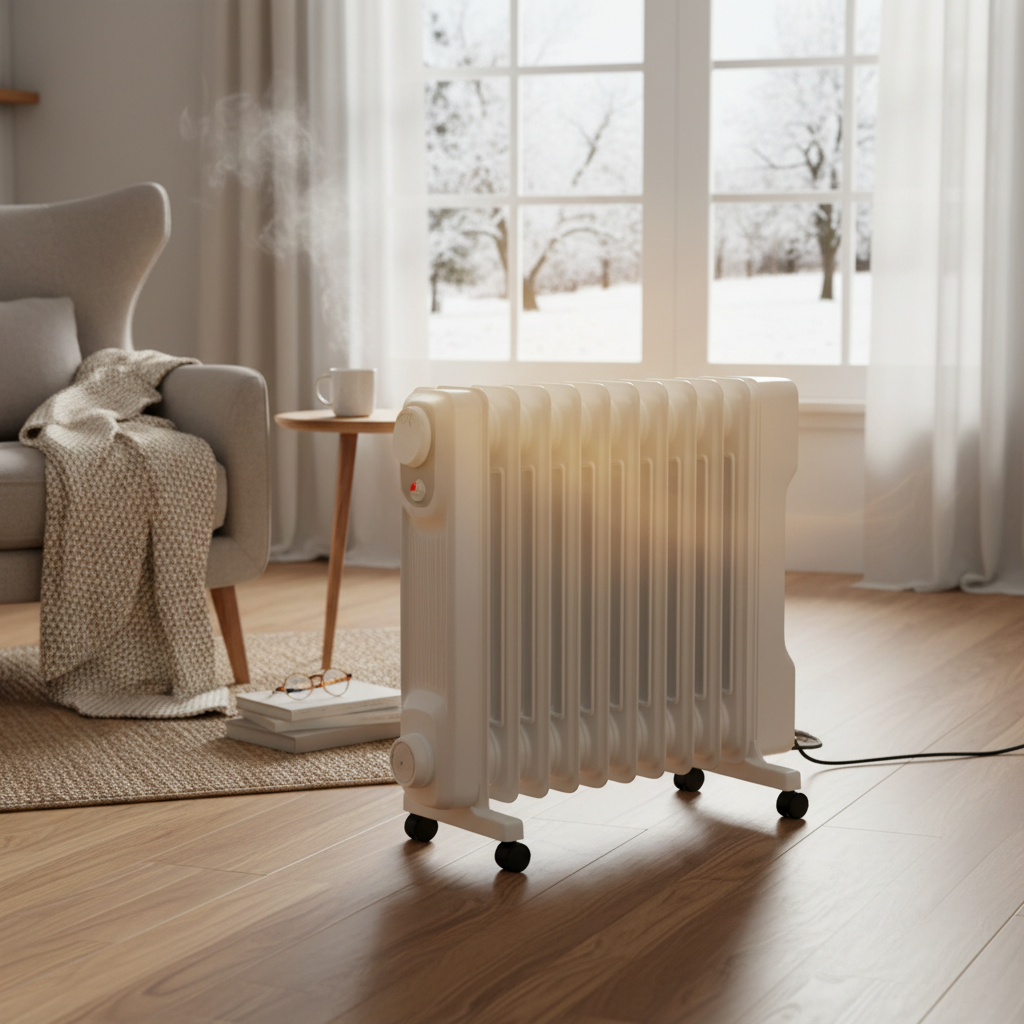
What Are Oil-Filled Radiators?
An oil-filled radiator, often referred to as an oil heater or column heater, is a common type of electric heater used for supplemental heating in homes and offices. Unlike forced-air heaters that blow hot air, oil-filled radiators operate on a principle of convection and radiant heat, providing a more gentle and even warmth.
At its core, the device contains a diathermic oil (a type of heat-transfer oil) that is permanently sealed within a series of metal fins. An electric heating element submerged in this oil heats it up. As the oil warms, it circulates freely throughout the radiator’s columns, transferring heat to the metal surfaces. These heated surfaces then radiate warmth into the room and also warm the air that comes into contact with them, which then rises and circulates.
Advantages and Disadvantages Compared to Other Heaters
Advantages:
- Silent Operation: Since there are no fans or moving parts, oil-filled radiators operate almost silently, making them ideal for bedrooms, offices, or any space where quiet is preferred.
- Consistent, Long-Lasting Heat: The oil retains heat for a significant period, even after the electrical element switches off, leading to a more consistent and prolonged warmth compared to fan heaters that cool down immediately.
- Doesn’t Dry Out Air: Without a fan blowing hot air, these heaters don’t strip moisture from the air, preventing the dry, stuffy feeling often associated with other heating methods.
- Energy Efficient for Zone Heating: When used to heat specific, occupied rooms, they can be more energy-efficient than raising the thermostat for an entire house, leading to lower overall heating costs.
- Safety Features: Many models come with built-in safety features like overheat protection and tip-over switches.
Disadvantages:
- Slow to Heat Up: Due to the time it takes for the oil to heat and circulate, oil-filled radiators take longer to reach their maximum output compared to ceramic or fan heaters.
- Heavy and Bulky: The sealed oil and metal construction make these heaters heavier and sometimes bulkier than other portable options, though most come with wheels for easier mobility.
- Surface Can Be Hot: While many newer models feature cool-touch exteriors, the metal fins can become quite hot to the touch, requiring caution, especially around children and pets.
|
Our Picks for the Best Oil filled radiator in 2026
As an Amazon Associate I earn from qualifying purchases.
|
||
| Num | Product | Action |
|---|---|---|
| 1 | Amazon Basics Portable Oil Space Heater with 7 Oil-Filled Fins, 3 Heat Settings, Adjustable Thermostat, Tip-Over and Overheat Protection, ETL Safety Certificate, 1500W, Black |

|
| 2 | Amazon Basics Portable Oil Radiator Heater, Indoor Use, 3 Heat Settings, Over-Heat Protection, ETL-certified Safety, 7 Oil-Filled Steel Fins, 1500W, Tip-Over Protection, 11"D x 14.8"W x 25.2"H, White |
|
| 3 | PELONIS Radiator Heater for Large Space, Electric Oil Filled Radiator, Dual Knobs, 1500W, Quiet Space Heater, 3 Modes, Tip-over Protection |
|
| 4 | Amazon Basics Portable Oil Space Heater with Remote Control, 7 Oil-Filled Fins, Adjustable Thermostat, 3 Heat Settings, Tip-Over and Overheat Protection, ETL Safety Certificate, 1500W, Black |
|
| 5 | DREO Oil Filled Radiator, Electric Radiant Heaters for indoor use Large Room with Remote Control, Child Lock, 4 Modes, Overheat & Tip-Over Protection, 24h Timer, Digital Thermostat, Quiet, 1500W |
|
| 6 | PELONIS Radiator Heater for Large Space, Electric Oil Filled Radiator, Dual Knobs, 1500W, Quiet Space Heater, 3 Modes, Tip-over Protection |
|
| 7 | Pelonis Oil Filled Radiator Heater for Large Space, 2025 Upgraded, Space Heaters with 1500W Quiet Warmth Radiant Heater, 3 Heating Modes, Overheat & Tip-Over Protection, Adjustable Thermostat, Black |
|
| 8 | PELONIS Radiator Heater for indoor use Large Room with Remote, Thermostat & LED Display, Quiet Oil Filled Heater with 5 Temperature Settings, Overheat & Tip-Over Protection, Silver |
|
| 9 | Pelonis Oil Filled Radiator Heater for Large Space, 2025 Upgraded, Space Heaters with 1500W Quiet Warmth Radiant Heater, 3 Heating Modes, Overheat & Tip-Over Protection, Adjustable Thermostat, White |
|
| 10 | PELONIS Oil Filled Radiator, Electric Space Heater for Indoor Use Large Room with Thermostat & Remote, 3 Modes & 3 Heat Settings, ECO Mode, 24H Timer, Quiet, Overheat & Tip-Over Protection, 1500W |
|
Popular Types of Oil-Filled Radiators
Oil-filled radiators come in various configurations to suit different needs and room sizes. Understanding these types can help you narrow down your choices.
Classification by Power Output
The wattage of an oil-filled radiator is a key indicator of its heating capacity. Higher wattage typically means more heat output, suitable for larger spaces.
- Low Wattage (e.g., 600W-1000W): These are ideal for very small rooms, personal spaces, or for maintaining a minimal level of background warmth. They consume less electricity but provide a more localized heat.
- Medium Wattage (e.g., 1000W-1500W): This is the most common range, suitable for average-sized bedrooms, home offices, or small living rooms. Many popular models, such as the DeLonghi Dragon 4 and Pelonis oil radiators, fall into the 1500W category, offering a good balance of heat and energy consumption for supplemental use.
- High Wattage (e.g., 1500W-2000W): Designed for larger rooms or areas that require more substantial supplemental heating. These units can quickly warm a broader space but will naturally use more electricity.
Classification by Design and Features
Beyond power, radiators vary in their physical design and integrated functionalities that enhance convenience and efficiency.
- By Number of Heating Fins: The number of fins (or columns) affects the surface area available for heat radiation. More fins generally mean a larger surface area, which can contribute to more efficient heat distribution and faster warming of the room, though this also influences the unit’s size. Common configurations include 7, 9, or 11 fins.
- By Control Type:
- Manual Controls: Often feature simple dials for temperature and power settings, offering straightforward operation.
- Digital Controls: Provide more precise temperature settings, often with an LED display, and can include advanced features like timers and eco modes. Models like the DeLonghi Dragon 4 are praised for their simple and responsive digital control panels.
- By Integrated Features:
- Adjustable Thermostat: Essential for maintaining a desired room temperature and optimizing energy use.
- Timer Function: Allows you to program the heater to turn on or off at specific times, useful for pre-warming a room or saving energy overnight.
- Remote Control: Offers convenience, allowing temperature adjustments without needing to get up.
- Eco Mode: Designed to minimize energy consumption by automatically adjusting heat output to maintain an optimal comfortable temperature.
- Portability Features: Most units include easy-roll casters and integrated cord storage for convenient movement between rooms.
Key Considerations When Choosing an Oil-Filled Radiator (Buying Guide)
Selecting the right oil-filled radiator involves more than just picking the first one you see. Thoughtful consideration of your specific needs, the space you’re heating, and crucial features will ensure you make the best choice.
Matching Room Size and Wattage
The size of the room you intend to heat is paramount in determining the appropriate wattage. A general rule of thumb is roughly 10 watts per square foot for adequate supplemental heating.
- Small Rooms (up to 150 sq ft): A 1000W-1200W heater typically suffices for spaces like small bedrooms, nurseries, or home offices.
- Medium Rooms (150-250 sq ft): For average-sized bedrooms or living areas, a 1500W unit is often recommended, providing a good balance of heating power and efficiency.
- Larger Rooms (250-400 sq ft): While oil-filled radiators are primarily for supplemental heating, some higher-wattage 1500W+ models can effectively contribute to warming larger spaces. Always check the manufacturer’s recommended room size.
Over-sizing can lead to unnecessary energy consumption, while under-sizing will result in insufficient warmth.
Essential Safety Features
Safety should always be a top priority, especially with any heating appliance. Look for these critical safety features:
- Overheat Protection: This mechanism automatically shuts off the heater if its internal components reach an unsafe temperature, preventing fire hazards.
- Tip-Over Switch: If the radiator is accidentally knocked over, this switch will immediately power down the unit, crucial for homes with children or pets.
- Cool-Touch Exterior: While the fins radiate heat, some advanced models feature exteriors that remain relatively cool to the touch, minimizing the risk of accidental burns.
- Sealed Oil Reservoir: Ensure the oil reservoir is permanently sealed and never requires refilling, preventing leaks and ensuring consistent operation.
Additional Features for Convenience
Modern oil-filled radiators often include features that enhance user experience and energy efficiency:
- Adjustable Thermostat: A precise thermostat is vital for maintaining your desired room temperature and prevents the heater from running continuously, saving energy.
- Programmable Timer: A 24-hour or weekly timer allows you to set operating schedules, ensuring your room is warm when you need it and off when you don’t.
- Multiple Heat Settings: Different power settings (e.g., low, medium, high) provide flexibility to adjust heat output based on the ambient temperature and your comfort level.
- Remote Control: For ultimate convenience, a remote control allows you to adjust settings from across the room.
- Portability: Wheels and a sturdy handle make it easy to move the heater from one room to another without straining.
Brand Reputation and Warranty
Investing in a reputable brand often means better quality, reliability, and customer support. Brands like DeLonghi and Pelonis are frequently mentioned for their consistent performance and robust build quality. Always check the warranty offered, as a longer warranty period (e.g., 1-3 years) can provide peace of mind regarding the product’s durability and manufacturer support.
Maximizing Performance and Safety: Usage and Maintenance Tips
To ensure your oil-filled radiator operates safely and efficiently for years to come, proper usage and maintenance are crucial.
Optimal Placement and Operation
- Stable, Flat Surface: Always place the heater on a stable, level surface to prevent accidental tip-overs.
- Clearance: Maintain adequate clearance (typically at least 3 feet or 1 meter) from walls, furniture, drapes, and any flammable materials. Never use an extension cord with a heater; plug it directly into a wall outlet.
- Avoid Obstruction: Do not block the air vents or cover the radiator with clothes or blankets, as this can lead to overheating and fire hazards.
- Zone Heating: Use your oil-filled radiator to heat the specific room you are in, allowing you to lower your central thermostat and save energy.
Safe Usage Practices
- Supervision: While many models have safety features, it’s wise to supervise children and pets around operating heaters.
- Unplug When Not in Use: Always unplug the heater when you leave the room for extended periods or when it’s not needed.
- Inspect Regularly: Periodically check the power cord for any signs of damage or fraying. If damage is found, discontinue use and seek professional repair.
Simple Maintenance for Longevity
Oil-filled radiators require minimal maintenance, largely due to their sealed design.
- Regular Cleaning: Dust can accumulate on the fins, reducing efficiency. Ensure the unit is unplugged and cool, then wipe it down regularly with a soft, damp cloth. Avoid abrasive cleaners or harsh chemicals.
- Proper Storage: When not in use, especially during warmer months, store the heater in a dry, safe place. Many models have cord wraps for neat storage.
- No Refilling: The oil in these radiators is permanently sealed and never needs to be refilled or replaced. If you suspect a leak, the unit should be serviced by a qualified technician.
Troubleshooting Common Oil-Filled Radiator Issues
While oil-filled radiators are generally reliable, you might occasionally encounter minor issues. Knowing how to troubleshoot these can save you time and potential repair costs.
- Heater Not Turning On:
- Check Power: Ensure the heater is securely plugged into a functioning electrical outlet. Test the outlet with another appliance.
- Thermostat Setting: Verify that the thermostat is set higher than the current room temperature. If it’s too low, the heater won’t activate.
- Safety Features: The tip-over switch or overheat protection might have been triggered. Ensure the heater is upright on a stable surface and has not overheated. Unplug it, wait 30 minutes for it to cool down, and then try again.
- Heater Not Getting Hot Enough/Slow to Heat:
- Initial Warm-up: Remember that oil-filled radiators take time to heat up fully. Give it at least 15-30 minutes to reach its operating temperature.
- Wattage vs. Room Size: The heater might be under-sized for the room. Refer to the buying guide to ensure the wattage is appropriate for your space.
- Heat Setting: Ensure the heater is on its highest heat setting if maximum warmth is desired.
- Drafts: Close windows and doors to prevent cold drafts that can negate the heater’s efforts.
- Unusual Noises:
- Creaking/Popping: Minor creaking or popping sounds are often normal as the metal expands and contracts with heating and cooling.
- Loud or Persistent Noise: If you hear persistent loud noises, buzzing, or grinding, it could indicate an internal issue. Unplug the unit immediately and contact customer service.
- Burning Smell:
- A slight burning smell on first use is common as manufacturing residues burn off. This should dissipate quickly.
- If the burning smell persists or is strong, unplug the heater immediately. This could indicate dust buildup, internal wiring issues, or other serious problems. Do not use the heater until it has been inspected.
For any issues beyond simple troubleshooting, especially those involving electrical components or persistent malfunctions, it is always best to consult the manufacturer’s support or a qualified appliance repair technician. Attempting to repair a sealed oil-filled unit yourself can be dangerous and void the warranty.
Conclusion
Oil-filled radiators offer a compelling solution for supplemental heating, providing quiet, consistent, and comfortable warmth without drying out the air. By understanding how they work, considering factors like room size, wattage, and essential safety features, you can confidently select the best oil heater to complement your home’s heating system. Remember to prioritize proper placement, regular cleaning, and safe operating practices to maximize efficiency and ensure longevity. Investing in a quality oil-filled radiator is an investment in your comfort, creating a cozy sanctuary even on the coldest days.
What’s your favorite feature you look for in a supplemental heater?
Frequently Asked Questions
Are oil-filled radiators expensive to run?
Oil-filled radiators are generally considered energy-efficient for zone heating. While a 1500W model uses 1.5 kWh, their ability to retain heat and maintain a consistent temperature means they cycle on and off less frequently than other heaters, and when used strategically for supplemental heating, they can help reduce overall household heating costs by allowing you to lower your central thermostat.
Can I leave an oil-filled radiator on overnight?
Yes, most modern oil-filled radiators are designed with safety features like overheat protection and tip-over switches, making them safe to leave on overnight. Many users appreciate their silent operation for maintaining a comfortable sleeping temperature without disruption. However, always ensure proper clearance from bedding and curtains.
How quickly does an oil-filled radiator heat a room?
Oil-filled radiators provide a gradual and consistent warmth rather than instant heat. Depending on the room size and the heater’s wattage, it typically takes 15 to 30 minutes for the unit to warm up and begin significantly impacting the ambient room temperature. The heat then radiates steadily throughout the space.
Do oil-filled radiators dry out the air?
No, one of the key advantages of oil-filled radiators is that they do not use a fan to blow hot air, which can often strip moisture from the air. Instead, they provide radiant heat, similar to how a central heating radiator works, helping to maintain natural humidity levels in your room and preventing that dry, stuffy feeling.
What maintenance does an oil-filled radiator require?
Oil-filled radiators are largely maintenance-free due to their permanently sealed oil reservoir. The main maintenance involves regularly wiping down the exterior with a soft, damp cloth to remove dust buildup, ensuring the unit is unplugged and cool before cleaning. No oil refilling or complex servicing is typically needed for these durable devices.
