As the seasons change and we evaluate our home heating solutions, many find themselves with an old oil-filled heater that has reached the end of its functional life. While these appliances offer cozy warmth, their disposal requires a thoughtful approach. Simply tossing an old oil heater into the regular trash can pose significant environmental risks and may even be illegal in many areas. This guide will walk you through the essential steps for responsibly recycling your oil-filled heater, ensuring a safe process for both you and the planet.
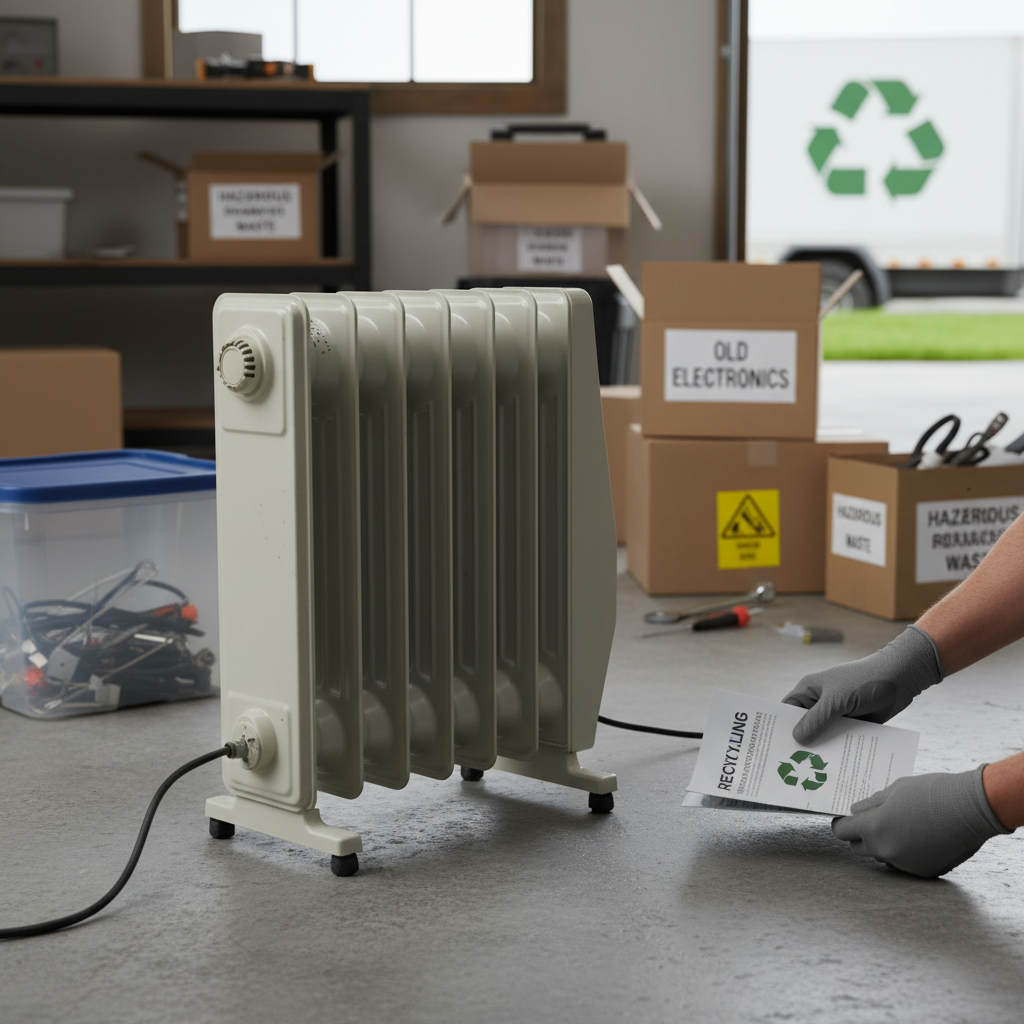
Why Responsible Disposal of Oil Heaters Matters
Improper disposal of household appliances, especially those containing oils and metals, contributes to environmental pollution and resource depletion. Oil-filled heaters, though seemingly benign, are complex devices with components that need careful handling.
The primary concern lies with the mineral oil inside. While non-toxic, if this oil leaks into landfills, it can contaminate soil and groundwater, posing long-term ecological damage. Furthermore, these heaters are constructed from valuable materials like steel, copper, and aluminum. When these metals are discarded in landfills, they represent a lost opportunity for resource recovery, increasing the demand for new raw materials and the energy intensive processes of mining and manufacturing. Adhering to proper recycling protocols conserves these finite resources, reduces greenhouse gas emissions, and minimizes the overall environmental footprint. Beyond environmental benefits, many regions have specific regulations regarding the disposal of electrical appliances and hazardous waste, making responsible recycling a legal necessity.
Understanding Your Oil Heater: Components and Potential Hazards
To properly dispose of an oil-filled heater, it helps to understand what it’s made of. At its core, an oil-filled heater is a sealed unit containing diathermic oil, often a type of mineral oil, which is heated by an electric element. This oil circulates within the fins, radiating heat into the room.
Beyond the oil, the heater’s structure is primarily steel, forming the body and fins. Inside, you’ll find copper wiring, brass terminals, and other small electronic components (thermostats, switches, timers) that control its operation. The wheels and some external casings are typically made of plastic. While the mineral oil itself is usually non-toxic and non-flammable, it becomes an environmental hazard if released into the ecosystem. The metals, though recyclable, require specialized processing to separate them efficiently. The electronic components, particularly in newer models, fall under e-waste regulations and can contain other materials that need specific handling.
Before You Recycle: Reuse, Repair, or Donate
Before considering recycling, always evaluate whether your oil-filled heater can be given a second life. This approach is the most environmentally friendly option, as it extends the product’s lifespan and reduces waste.
- Repair: Many common issues with oil heaters, such as a faulty thermostat or a loose connection, can often be repaired by a qualified technician or even a DIY enthusiast with the right skills. Check your heater’s brand website for repair guides or contact a local appliance repair shop.
- Donation Options: If your heater is in good working condition but you no longer need it, consider donating it to a local charity shop, a community organization, or offering it to friends, family, or neighbors. Online platforms like NextDoor, Facebook Marketplace, or “Buy Nothing” groups are excellent avenues for connecting with people who might appreciate a functional heater. Always ensure the appliance is clean and fully operational before passing it on.
- Benefits of Reuse: By reusing an appliance, you prevent it from entering the waste stream, reduce the energy and resources needed to manufacture a new one, and provide a cost-effective heating solution for someone else.
Where to Recycle Your Old Oil Heater
When reuse or repair isn’t an option, proper recycling is the next best step. The process and available facilities can vary by location, but several common avenues exist.
- Local Household Waste Recycling Centres (HWRCs) / Municipal Programs: Most local councils operate Household Waste Recycling Centres that accept small electrical appliances. Oil-filled heaters are often categorized as WEEE (Waste Electrical and Electronic Equipment) or “small electricals.” These facilities are equipped to handle the initial sorting, and the oil is typically drained by the processor at a later stage. Some municipal waste departments also offer bulky item collection services, sometimes for a fee, where they will pick up large appliances directly from your curb.
- Appliance and Metal Recyclers / Scrap Yards: Specialized appliance recyclers or local scrap metal yards are excellent destinations for old oil heaters. These facilities are adept at dismantling appliances, safely extracting the mineral oil, and separating the various metals (steel, copper, aluminum, brass) for commodity recycling. It’s advisable to call ahead to inquire about their specific acceptance policies and any potential fees. Some may require the oil to be drained beforehand, while others have the capability to do it professionally.
- Retailer Take-Back Programs: Some large electronics and appliance retailers, such as Best Buy, offer in-store recycling programs for unwanted electronics and major appliances, often regardless of where they were originally purchased. These programs aim to ensure responsible disposal and material recovery. Check with your local store for details, as acceptance policies and potential fees can vary by location and product type.
- Specialized Hazardous Waste Collection Events: While the entire oil-filled heater might not be accepted at a Hazardous Waste Facility, the drained mineral oil itself, when separated and placed in a sealed, labeled container, should be taken to a Household Hazardous Waste (HHW) collection event or a year-round HHW facility. These sites are equipped to handle hazardous liquids safely.
- Online Resources: Websites like Earth911.com or regional environmental agency sites often provide searchable databases to help you find local recycling centers and services that accept specific items like oil-filled heaters. Entering your zip code can quickly direct you to appropriate disposal points in your vicinity.
The Recycling Process: What Happens Next?
Once your oil-filled heater reaches a specialized recycling facility, it undergoes a systematic process to ensure maximum material recovery and safe disposal of non-recyclable or hazardous elements.
The first step typically involves an initial assessment and fluid removal. Trained technicians safely drain the mineral oil from the heater. This oil is then either recycled or disposed of according to strict environmental regulations, preventing it from polluting the environment. Next, the heater proceeds to disassembly and material separation. The unit is broken down into its constituent parts. Metals like steel, copper, and aluminum are separated, as are plastics and any electronic components. These segregated materials are then cleaned and prepared for further processing, often being shredded or melted down to create new raw materials for manufacturing. This comprehensive approach ensures that valuable resources are brought back into the production cycle, minimizing waste and conserving natural resources.
Tips for Safe Handling and Preparation
Preparing your old oil heater for recycling is crucial for your safety and the efficiency of the recycling process.
- Safety First: Always ensure the oil-filled heater is completely unplugged and has cooled down entirely before handling it. This prevents electric shock or burns.
- Draining the Oil: If the recycling facility or scrap yard explicitly requires you to drain the oil yourself, proceed with extreme caution.
- Place the heater on a protective tarp or newspapers to catch any spills.
- Locate the drain plug or a suitable point to access the oil (this may involve removing a panel or drilling a small hole).
- Carefully drain the oil into a sturdy, resealable, and clearly labeled container (e.g., an old antifreeze or motor oil bottle). Never use food containers.
- Seal the container tightly and store it upright in a safe place, away from children and pets, until you can take it to a Household Hazardous Waste collection site.
- Transporting Your Heater: When transporting the heater to a recycling facility, ensure it is upright and stable in your vehicle to prevent any accidental oil leaks. If possible, place it on a protective layer like old towels or plastic sheeting.
Conclusion
Recycling your old oil-filled heater responsibly is a simple yet impactful way to contribute to environmental sustainability. By understanding the components of your heater, exploring reuse or repair options, and utilizing appropriate recycling channels, you prevent hazardous materials from contaminating our planet and ensure valuable resources are recovered and repurposed. Whether you choose a municipal recycling center, a specialized metal recycler, or a retailer take-back program, making an informed decision for disposal is a commitment to a healthier environment. Don’t let your old heater become a burden on our landfills; instead, make it part of a circular economy. How will you ensure your next appliance disposal is just as responsible?
Frequently Asked Questions
Can I just throw an oil-filled heater in my regular trash bin?
|
Our Picks for the Best Oil filled radiator in 2026
As an Amazon Associate I earn from qualifying purchases.
|
||
| Num | Product | Action |
|---|---|---|
| 1 | PELONIS Oil Filled Radiator, Electric Space Heater for Indoor Use Large Room with Thermostat & Remote, 3 Modes & 3 Heat Settings, ECO Mode, 24H Timer, Quiet, Overheat & Tip-Over Protection, 1500W |

|
| 2 | Amazon Basics Portable Oil Space Heater with Remote Control, 7 Oil-Filled Fins, Adjustable Thermostat, 3 Heat Settings, Tip-Over and Overheat Protection, ETL Safety Certificate, 1500W, Black |
|
| 3 | PELONIS Radiator Heater for Large Space, Electric Oil Filled Radiator, Dual Knobs, 1500W, Quiet Space Heater, 3 Modes, Tip-over Protection |
|
| 4 | PELONIS Radiator Heater for Large Space, Electric Oil Filled Radiator, Dual Knobs, 1500W, Quiet Space Heater, 3 Modes, Tip-over Protection |
|
| 5 | DREO Oil Filled Radiator, Electric Radiant Heaters for indoor use Large Room with Remote Control, Child Lock, 4 Modes, Overheat & Tip-Over Protection, 24h Timer, Digital Thermostat, Quiet, 1500W |
|
| 6 | Amazon Basics Portable Oil Space Heater with 7 Oil-Filled Fins, 3 Heat Settings, Adjustable Thermostat, Tip-Over and Overheat Protection, ETL Safety Certificate, 1500W, Black |
|
| 7 | Pelonis Oil Filled Radiator Heater for Large Space, 2025 Upgraded, Space Heaters with 1500W Quiet Warmth Radiant Heater, 3 Heating Modes, Overheat & Tip-Over Protection, Adjustable Thermostat, Black |
|
| 8 | Pelonis Oil Filled Radiator Heater for Large Space, 2025 Upgraded, Space Heaters with 1500W Quiet Warmth Radiant Heater, 3 Heating Modes, Overheat & Tip-Over Protection, Adjustable Thermostat, White |
|
| 9 | PELONIS Radiator Heater for indoor use Large Room with Remote, Thermostat & LED Display, Quiet Oil Filled Heater with 5 Temperature Settings, Overheat & Tip-Over Protection, Silver |
|
| 10 | Amazon Basics Portable Oil Radiator Heater, Indoor Use, 3 Heat Settings, Over-Heat Protection, ETL-certified Safety, 7 Oil-Filled Steel Fins, 1500W, Tip-Over Protection, 11"D x 14.8"W x 25.2"H, White |
|
No, oil-filled heaters should never be disposed of in your regular household trash. They contain mineral oil and valuable metals that can be harmful to the environment if sent to a landfill, and many local regulations prohibit this type of disposal.
Is the oil inside an oil-filled heater dangerous?
The mineral oil inside oil-filled heaters is generally non-toxic. However, if it leaks into the environment, it can contaminate soil and water. Therefore, it requires proper handling and disposal at a designated recycling or hazardous waste facility.
Where can I find a recycling center that accepts oil heaters?
You can typically find recycling centers by checking your local municipal waste management website, using online recycling locators like Earth911.com, or contacting local appliance and scrap metal recyclers. Some electronics retailers also offer take-back programs.
Do I need to drain the oil from my heater before recycling it?
It depends on the facility. Some specialized appliance or metal recyclers have the equipment to safely drain the oil themselves. Others, particularly household waste recycling centers, may require you to drain the oil first and dispose of it at a separate hazardous waste collection point. Always call ahead to confirm their specific requirements.
Can old oil heaters be donated or repaired?
Yes, if your oil-filled heater is still in good working condition, consider donating it to a charity, giving it to someone in need, or exploring repair options if it has a minor issue. Reuse is always the most environmentally friendly option.
