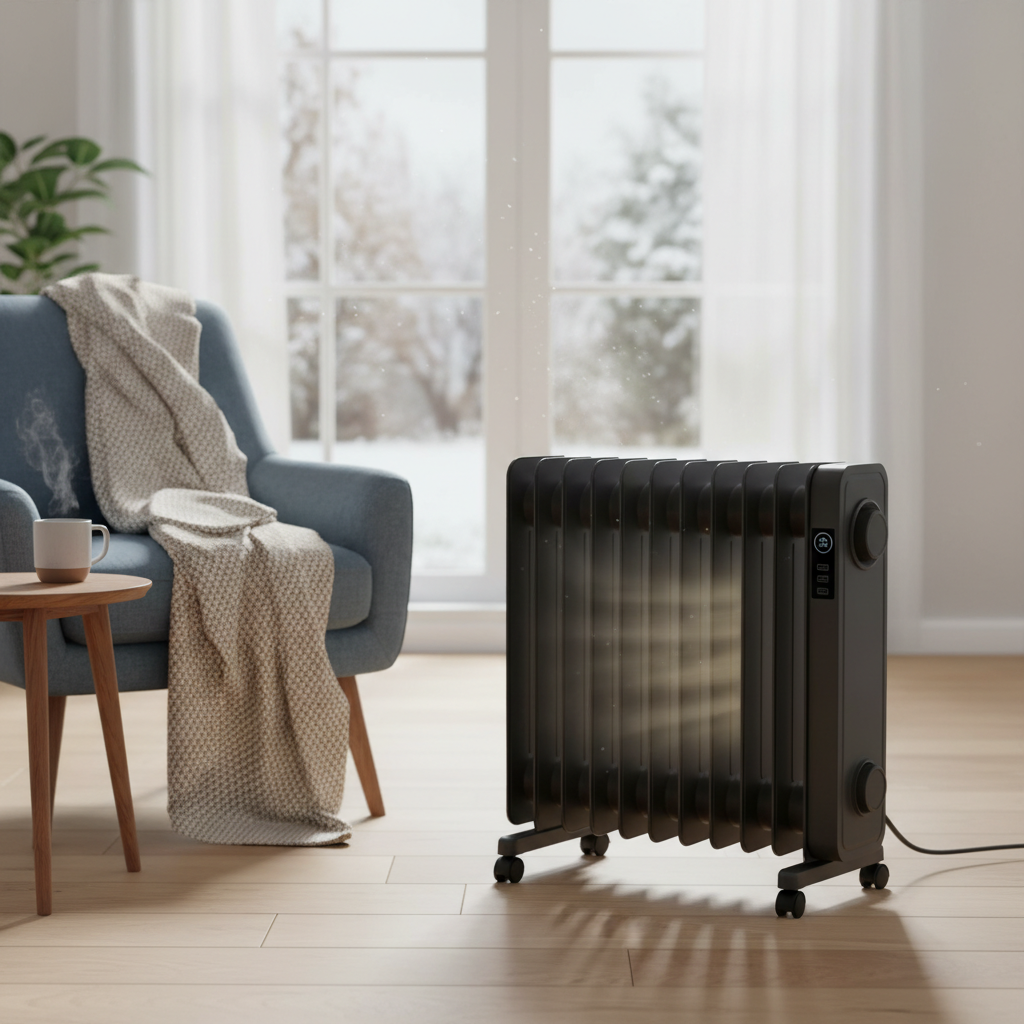
For decades, the hum of a reliable heater has been a comforting sound in homes, and among the classic choices, the Lakewood 5500 Oil Filled Radiator Heater holds a special place. As a technician with over a decade of hands-on experience in the world of oil-filled heaters, I’ve seen countless models, from the cutting-edge to beloved vintage units. The Lakewood 5500 is one such icon, a testament to simpler designs and enduring warmth. While modern heaters boast a plethora of smart features, many still seek out this vintage gem. This review delves into the Lakewood 5500, exploring its design, performance, common issues, and whether this classic radiator still holds its own in today’s heating landscape, offering honest insights for owners and potential buyers alike.
What is an Oil-Filled Radiator (OFH)?
An oil-filled radiator, often simply called an OFH, operates on a principle of convection and radiant heat. Inside its sealed metal fins, an electrical heating element warms diathermic oil. This oil, in turn, heats the metal exterior of the radiator, which then radiates warmth into the room. Unlike fan heaters that blow hot air, oil-filled radiators provide a gentle, consistent heat that emanates softly, much like a traditional central heating radiator.
The primary advantage of these heaters is their quiet operation and ability to retain heat for an extended period even after being switched off. This makes them ideal for maintaining a comfortable ambient temperature without the noise or dry air often associated with forced-air systems. They are also energy-efficient in the sense that they use electricity to heat a thermal mass (the oil), which then slowly releases that heat. However, their main drawback is the time it takes to heat a room; they are not designed for instant warmth. Their bulkier size compared to compact ceramic or fan heaters can also be a consideration for smaller spaces.
The Lakewood 5500: A Closer Look at its Features
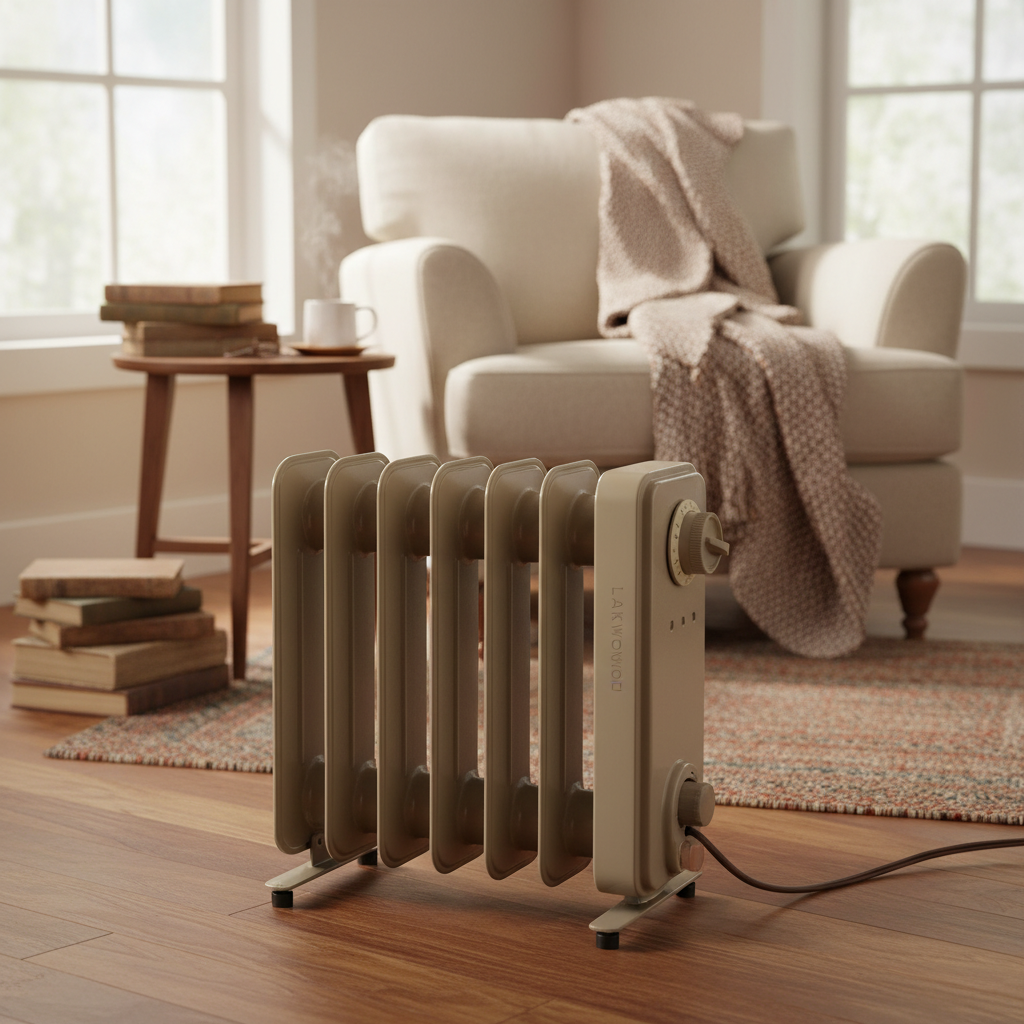
The Lakewood 5500, also known by its model number LAK5500, exemplifies the robust design typical of its era. This oil-filled electric radiator heater boasts a functional and straightforward aesthetic, prioritizing reliable heating over elaborate controls.
Its construction features a sturdy, seven-fin steel cabinet, often finished in a baked enamel, available in shades like white or gray. This classic finned design maximizes the surface area for heat dispersion, contributing to its effective radiant output. Recognizing the need for portability, the unit is fitted with convenient easy-roll casters, allowing it to be moved between rooms despite its solid build.
The Lakewood 5500 provides flexible heating capabilities with triple wattage settings: 600W, 900W, and a maximum of 1500W. This allows users to adjust the heat output based on the room size and desired warmth, contributing to its energy management. A numbered dial controls the integrated thermostat, which automatically cycles the heater on and off to maintain the set temperature, a standard feature for comfort and efficiency.
Safety features, crucial for any heating appliance, include a factory-sealed internal heating element submerged in mineral oil. This design ensures no fumes or flames are produced during operation. The unit was also U.L. listed, indicating it met specific safety standards at the time of its manufacture. A notable safety mechanism is its weighted tilt-over switch, designed to cut power if the heater is accidentally knocked over, preventing potential fire hazards. The heater comes with a 7-foot line cord, providing a decent reach from power outlets.
Performance and User Experience of the Lakewood 5500
When it comes to performance, the Lakewood 5500 has generally garnered positive feedback from its users over the years, particularly regarding its heating capability and perceived efficiency. Many users praise its ability to effectively warm small to medium-sized rooms, creating a comfortable and sustained heat. This is a hallmark of oil-filled radiators, which excel at providing ambient warmth rather than directional, intense heat.
Owners often report that the Lakewood 5500 performs well, even on lower power settings, indicating efficient operation for its class. The perception of “not using much electricity” is a common sentiment among those who appreciate its consistent heat output without the sudden spikes in power consumption seen in some other heater types.
A significant advantage of the Lakewood 5500, like other oil-filled radiators, is its silent operation. Without fans or moving parts, it emits very little noise, making it suitable for bedrooms, offices, or any space where quiet is preferred. However, some users have occasionally noted a “gurgling sound” when the heater is warming up. This sound is typically due to the expansion and movement of the diathermic oil within the sealed fins and is generally considered normal, not indicative of “boiling oil.”
While many units have provided good service for numerous years, the overall longevity of the Lakewood 5500 can be mixed. Some owners have enjoyed reliable operation for a decade or more, a testament to its robust initial build. Yet, others have experienced early failures or issues after only a few seasons of use, highlighting the variability that can come with any mass-produced appliance, particularly one that is now considered vintage.
Common Issues and Troubleshooting for Your Vintage Lakewood 5500
Despite its durable design, the Lakewood 5500, like any older appliance, can develop specific issues over time. The most frequently reported problem by users is the frustrating scenario where the “lights are on, but there’s no heat.” This typically points to one of two main safety mechanisms malfunctioning.
“Lights On, No Heat”
|
Our Picks for the Best Oil filled radiator in 2026
As an Amazon Associate I earn from qualifying purchases.
|
||
| Num | Product | Action |
|---|---|---|
| 1 | PELONIS Radiator Heater for Large Space, Electric Oil Filled Radiator, Dual Knobs, 1500W, Quiet Space Heater, 3 Modes, Tip-over Protection |

|
| 2 | Pelonis Oil Filled Radiator Heater for Large Space, 2025 Upgraded, Space Heaters with 1500W Quiet Warmth Radiant Heater, 3 Heating Modes, Overheat & Tip-Over Protection, Adjustable Thermostat, White |
|
| 3 | PELONIS Radiator Heater for Large Space, Electric Oil Filled Radiator, Dual Knobs, 1500W, Quiet Space Heater, 3 Modes, Tip-over Protection |
|
| 4 | DREO Oil Filled Radiator, Electric Radiant Heaters for indoor use Large Room with Remote Control, Child Lock, 4 Modes, Overheat & Tip-Over Protection, 24h Timer, Digital Thermostat, Quiet, 1500W |
|
| 5 | Pelonis Oil Filled Radiator Heater for Large Space, 2025 Upgraded, Space Heaters with 1500W Quiet Warmth Radiant Heater, 3 Heating Modes, Overheat & Tip-Over Protection, Adjustable Thermostat, Black |
|
| 6 | Amazon Basics Portable Oil Radiator Heater, Indoor Use, 3 Heat Settings, Over-Heat Protection, ETL-certified Safety, 7 Oil-Filled Steel Fins, 1500W, Tip-Over Protection, 11"D x 14.8"W x 25.2"H, White |
|
| 7 | PELONIS Radiator Heater for indoor use Large Room with Remote, Thermostat & LED Display, Quiet Oil Filled Heater with 5 Temperature Settings, Overheat & Tip-Over Protection, Silver |
|
| 8 | Amazon Basics Portable Oil Space Heater with Remote Control, 7 Oil-Filled Fins, Adjustable Thermostat, 3 Heat Settings, Tip-Over and Overheat Protection, ETL Safety Certificate, 1500W, Black |
|
| 9 | PELONIS Oil Filled Radiator, Electric Space Heater for Indoor Use Large Room with Thermostat & Remote, 3 Modes & 3 Heat Settings, ECO Mode, 24H Timer, Quiet, Overheat & Tip-Over Protection, 1500W |
|
| 10 | Amazon Basics Portable Oil Space Heater with 7 Oil-Filled Fins, 3 Heat Settings, Adjustable Thermostat, Tip-Over and Overheat Protection, ETL Safety Certificate, 1500W, Black |
|
One common culprit behind the lack of heat, despite indicator lights being on, is the tilt-over safety switch. The Lakewood 5500 incorporates a weighted disconnect designed to cut power if the heater tips over. Over years of use, the internal mechanism, often a heavy metal weight attached by a relatively weak plastic piece, can become stuck in the “off” position or even break. If this plastic hinge breaks, the weight can drop and prevent the heating circuit from closing or, in some cases, even cause a short.
The second primary cause for a “no heat” condition is a blown thermal fuse. This is an essential thermal overload device, typically rated at 167°C, embedded within the heater’s electrical system. Its purpose is to protect the unit from overheating by permanently opening the circuit if the internal temperature exceeds a safe threshold. A thermal fuse can blow due to prolonged high-wattage use, inadequate ventilation around the heater, or simply age-related fatigue. When it blows, power still reaches the indicator lights, but not the heating element, leading to the “lights on, no heat” symptom.
Other Potential Problems
While less common, some users have reported gurgling noises that persist beyond the initial warm-up phase. As mentioned earlier, some gurgling is normal. However, excessive or unusual sounds could, in rare instances, indicate an issue with the oil distribution within the fins or internal air pockets. Isolated reports of oil leaks have also surfaced, though this is quite rare for sealed units. Any visible oil leakage should be taken seriously as a potential safety concern and would likely necessitate professional repair or replacement.
DIY Troubleshooting & Safety Precautions
For owners comfortable with basic DIY and electrical safety, some minor troubleshooting can be attempted:
- For a stuck tilt switch: Gently shaking the upright heater a few times can sometimes dislodge a stuck weighted switch, restoring power to the heating elements. However, if the plastic hinge is broken, a more involved repair may be required.
- For a blown thermal fuse: Replacing a thermal fuse is a more complex task, requiring the heater to be opened and electrical components to be handled. Owners should only attempt this if they are competent in electrical and soldering work. It’s crucial to replace the fuse with one of the exact same temperature rating (e.g., 167°C). Absolutely avoid bypassing the thermal fuse, as this removes a critical safety feature and can lead to overheating and fire hazards.
Given that Lakewood, as a company, may no longer be actively supporting this vintage model (some reports suggest it ceased operations or changed focus, with customer service being unresponsive), official parts and repair guidance are likely unavailable. This means owners must rely on third-party parts or skilled technicians for repairs. Always prioritize safety: if you are unsure about any repair, it is best to consult a professional or consider replacing the unit.
Is the Lakewood 5500 Still a Good Choice Today?
Evaluating the Lakewood 5500 today involves weighing its inherent benefits against the realities of owning a vintage electrical appliance. For many, its classic charm and the quality of heat it provides are strong draws.
Pros of the Lakewood 5500:
- Durable Construction: Many units have proven to be workhorses, offering years of reliable service due to their solid build.
- Silent Operation: It delivers heat without the disruptive noise of a fan, ideal for bedrooms, studies, or quiet living areas.
- Effective Radiant Heat: Provides a consistent, comfortable warmth that permeates the room evenly, similar to central heating.
- Classic Design: Its utilitarian, seven-fin design can blend seamlessly into various decors, particularly for those who appreciate vintage aesthetics.
Cons of the Lakewood 5500:
- Age-Related Failures: As highlighted by common user issues, components like thermal fuses and tilt switches are prone to failure due to age and wear.
- Lack of Parts and Support: Finding genuine replacement parts can be challenging, and official manufacturer support is likely non-existent, making repairs reliant on generic parts or specialized technicians.
- Potential Safety Concerns: While originally U.L. listed, older electrical appliances can degrade over time. Faulty wiring, compromised safety switches, or unattended DIY repairs (especially bypassing safety features) can pose fire risks.
- Older Safety Standards: Modern heaters often come with more advanced safety features, such as enhanced tip-over protection, overheat auto-shutoff, and more robust wiring, which may surpass the standards of vintage models.
Recommendation:
The Lakewood 5500 can still be a valuable heating appliance, especially for enthusiasts who appreciate vintage electronics or individuals who already own a well-maintained, working unit. If you’re considering purchasing a used Lakewood 5500, extreme caution is advised. Thoroughly test the unit for heat output, inspect for any signs of damage or leakage, and understand that you are acquiring an appliance with a limited lifespan and no manufacturer support. It’s best used in attended spaces, with proper ventilation, and should be regularly inspected for any signs of malfunction. Ultimately, while it brings a nostalgic warmth, the decision to use a vintage heater like the Lakewood 5500 should always prioritize safety and realistic expectations about its ongoing reliability.
The Lakewood 5500 stands as a testament to the robust engineering of older appliances, offering a quiet, comforting warmth that many still cherish. Its straightforward design and effective radiant heat made it a household staple for years. However, the passage of time brings its challenges, from common electrical issues to the inevitable lack of manufacturer support. Owners must balance its nostalgic appeal and functional benefits with the practicalities and safety considerations of maintaining a vintage heater.
Ultimately, the Lakewood 5500 provides a unique heating experience, but it asks for a more hands-on approach from its users. Are we willing to embrace the quirks and maintenance of such a classic for the comfort it brings?
Frequently Asked Questions
What is the wattage of the Lakewood 5500 oil filled radiator?
The Lakewood 5500 offers three adjustable wattage settings: 600 watts, 900 watts, and a maximum output of 1500 watts. This allows users to customize the heat intensity to suit different room sizes and personal comfort preferences, providing flexibility for energy consumption.
Why is my Lakewood 5500 heater not heating but the lights are on?
This common issue typically indicates a problem with either the internal thermal fuse or the tilt-over safety switch. The thermal fuse might have blown due to overheating, or the weighted tilt switch could be stuck in the “off” position, preventing power from reaching the heating elements despite the indicator lights being illuminated.
Is the Lakewood 5500 safe to use today?
While the Lakewood 5500 was U.L. listed when manufactured, its safety depends on its current condition and proper maintenance. Age can lead to component degradation, and potential issues with safety features like the tilt switch or thermal fuse could arise. It is crucial to ensure all safety mechanisms are fully functional and to never bypass them.
Can I still get replacement parts for a Lakewood 5500?
Official replacement parts from the original manufacturer are generally not available for the vintage Lakewood 5500, as the company may no longer be in business or support older models. However, generic electrical components like thermal fuses (e.g., 167°C rated) might be sourced from third-party suppliers or specialized appliance repair shops.