Choosing the right heater for your home can feel like a complex task, especially when faced with varying wattage options. As an expert with over a decade in the oil filled radiator industry, I understand the nuances that differentiate models and how these impact your comfort and energy bills. This comprehensive guide will dissect the capabilities of 1000W and 1500W oil filled radiators, helping you pinpoint the optimal heating solution for your specific needs. Understanding the ideal heating capacity is crucial for both efficiency and comfort, ensuring you’re not underheating or overheating your space.
What is an Oil Filled Radiator?
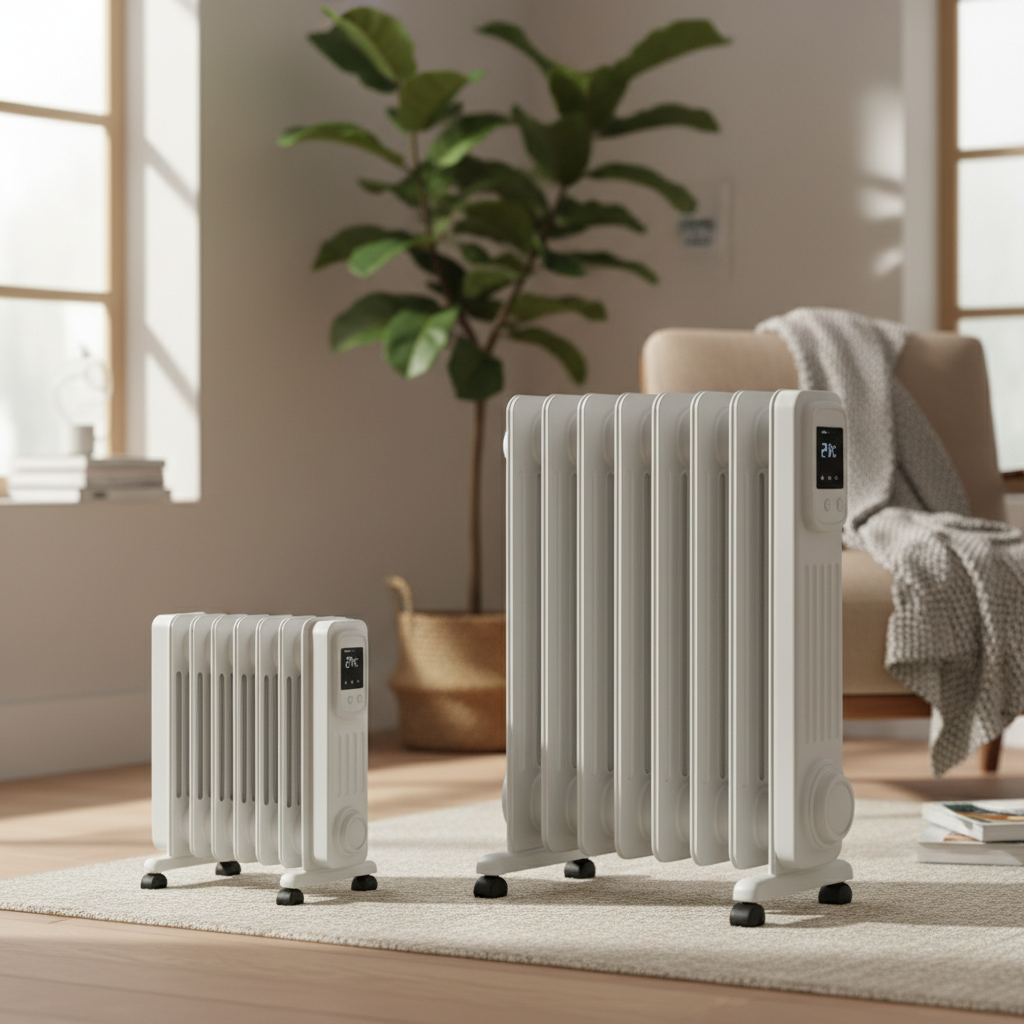
An oil filled radiator is a portable electric heater that uses diathermic oil, permanently sealed inside its columns or fins, as a heat reservoir. An electrical heating element warms this oil, which then circulates throughout the radiator, transferring heat to the metal surface. The heat radiates into the room and warms the surrounding air through convection. Unlike fan heaters that blow hot air, oil filled radiators provide a more consistent, gentle, and silent warmth. They are particularly favored for their ability to retain heat for extended periods even after being switched off, thanks to the thermal oil’s properties. This makes them highly effective for maintaining a steady ambient temperature without constantly drawing power, often leading to more affordable zone heating compared to other electric heating types. They are often preferred over direct electric heaters due to this superior heat retention and silent operation.
Common Oil Filled Radiator Types
Oil filled radiators come in various configurations, primarily distinguished by their power output (wattage), physical size (number of fins), and intelligent features.
By Wattage
The wattage of an oil filled radiator directly correlates to its maximum heat output and, consequently, the size of the area it can effectively warm. Common wattages include:
- 1000W: Ideal for smaller, well-insulated rooms or personal spaces where a consistent, gentle heat is sufficient.
- 1500W: Suitable for medium-sized rooms or areas that require quicker heating and a higher heat output. Many models offer a 1000W setting as a low heat option alongside their 1500W maximum.
- 2000W and above: Designed for larger rooms or open-plan areas that demand significant heat to maintain comfort.
|
Our Picks for the Best Oil filled radiator in 2026
As an Amazon Associate I earn from qualifying purchases.
|
||
| Num | Product | Action |
|---|---|---|
| 1 | PELONIS Oil Filled Radiator, Electric Space Heater for Indoor Use Large Room with Thermostat & Remote, 3 Modes & 3 Heat Settings, ECO Mode, 24H Timer, Quiet, Overheat & Tip-Over Protection, 1500W |

|
| 2 | PELONIS Radiator Heater for Large Space, Electric Oil Filled Radiator, Dual Knobs, 1500W, Quiet Space Heater, 3 Modes, Tip-over Protection |
|
| 3 | PELONIS Radiator Heater for Large Space, Electric Oil Filled Radiator, Dual Knobs, 1500W, Quiet Space Heater, 3 Modes, Tip-over Protection |
|
| 4 | PELONIS Radiator Heater for indoor use Large Room with Remote, Thermostat & LED Display, Quiet Oil Filled Heater with 5 Temperature Settings, Overheat & Tip-Over Protection, Silver |
|
| 5 | Pelonis Oil Filled Radiator Heater for Large Space, 2025 Upgraded, Space Heaters with 1500W Quiet Warmth Radiant Heater, 3 Heating Modes, Overheat & Tip-Over Protection, Adjustable Thermostat, White |
|
| 6 | Amazon Basics Portable Oil Radiator Heater, Indoor Use, 3 Heat Settings, Over-Heat Protection, ETL-certified Safety, 7 Oil-Filled Steel Fins, 1500W, Tip-Over Protection, 11"D x 14.8"W x 25.2"H, White |
|
| 7 | Amazon Basics Portable Oil Space Heater with 7 Oil-Filled Fins, 3 Heat Settings, Adjustable Thermostat, Tip-Over and Overheat Protection, ETL Safety Certificate, 1500W, Black |
|
| 8 | Pelonis Oil Filled Radiator Heater for Large Space, 2025 Upgraded, Space Heaters with 1500W Quiet Warmth Radiant Heater, 3 Heating Modes, Overheat & Tip-Over Protection, Adjustable Thermostat, Black |
|
| 9 | DREO Oil Filled Radiator, Electric Radiant Heaters for indoor use Large Room with Remote Control, Child Lock, 4 Modes, Overheat & Tip-Over Protection, 24h Timer, Digital Thermostat, Quiet, 1500W |
|
| 10 | Amazon Basics Portable Oil Space Heater with Remote Control, 7 Oil-Filled Fins, Adjustable Thermostat, 3 Heat Settings, Tip-Over and Overheat Protection, ETL Safety Certificate, 1500W, Black |
|
By Number of Fins
The number of fins usually indicates the surface area available for heat radiation. More fins typically mean a larger surface area, which can contribute to more efficient heat distribution. Common configurations include:
- 7-fin radiators: Often found in lower wattage models, suitable for small rooms.
- 9-fin radiators: A common mid-range option, offering a balance of size and heat output.
- 11-fin radiators: Typically associated with higher wattage models, providing maximum surface area for larger spaces.
By Features
Modern oil filled radiators offer a range of features that enhance user convenience, safety, and energy efficiency:
- Timers: Allow users to program specific operating times, ideal for pre-heating a room before arrival or switching off automatically.
- Remote Control: Offers convenience, allowing temperature adjustments from a distance.
- Eco Mode: Optimizes energy consumption by automatically adjusting wattage to maintain a comfortable temperature while minimizing electricity use.
- Digital Thermostats: Provide precise temperature control for better comfort and efficiency.
- Overheat Protection and Tip-Over Switches: Essential safety features that automatically shut off the unit if it gets too hot or falls over.
1000W vs. 1500W Oil Filled Radiator: A Detailed Comparison
The decision between a 1000W and a 1500W oil filled radiator is fundamental, impacting everything from heating effectiveness to your electricity bill. Here’s a direct comparison to help clarify the differences:
| Feature | 1000W Oil Filled Radiator | 1500W Oil Filled Radiator |
|---|---|---|
| Heating Capacity | Lower heat output, suitable for gentle, consistent warmth. | Higher heat output, delivers more intense and faster heating. |
| Suitable Room Size | Up to 100-150 sq ft (approx. 9-14 m²) in well-insulated rooms. | Up to 150-170 sq ft (approx. 14-16 m²) for primary heating; can supplement larger rooms up to 500 sq ft. |
| Heating Speed | Slower to reach desired temperature. | Faster to reach desired temperature, offers quicker comfort. |
| Energy Consumption | Lower power draw, more energy-conscious for small spaces. | Higher power draw, consumes approximately 50% more electricity. |
| Running Costs | Lower hourly running costs. | Higher hourly running costs. |
| Ideal Use Cases | Small bedrooms, home offices, bathrooms, personal spaces. | Medium-sized living rooms, larger bedrooms, studies, basements. |
Heating Capacity and Room Size
The core distinction lies in their heating capacity. A 1500W oil filled radiator produces significantly more heat than a 1000W model, translating directly to how quickly and effectively it can warm a space. A 1000W heater is generally recommended for smaller rooms, typically ranging up to 100-150 square feet. This could include a cozy bedroom, a small home office, or a personal space where you desire a subtle, sustained warmth without a high energy draw.
In contrast, a 1500W oil filled radiator is designed for larger areas or situations where rapid heating is a priority. It can effectively heat well-insulated rooms up to approximately 150-170 square feet for primary heating. For example, a mid-sized living room, a larger bedroom, or a study could benefit from the increased output. Moreover, some 1500W models offer the flexibility of a 1000W (low heat) setting, allowing you to adapt the heat output to varying needs or room sizes.
“Choosing the correct wattage isn’t just about raw power; it’s about matching the heater’s capability to your specific needs and space for optimal efficiency and comfort.”
Heating Speed
The higher wattage of a 1500W unit means it can elevate the room temperature more quickly than a 1000W model. While oil filled radiators are known for their gradual, consistent heat, the initial warm-up time can vary. A 1500W radiator might take 15-20 minutes to noticeably heat a medium-sized room, whereas a 1000W unit would take longer for a comparable space, or be more suited to maintaining warmth in an already moderately heated smaller area.
Energy Consumption and Running Costs
It’s a straightforward equation: higher wattage means higher energy consumption. A 1500W heater will naturally draw more electricity than a 1000W heater when both are operating at full power for the same duration. This increased power draw translates directly into higher running costs. If you run a 1500W heater for the same amount of time as a 1000W heater, your energy bill will be approximately 50% higher for the more powerful unit. However, an appropriately sized heater running optimally is more efficient than an undersized heater constantly struggling to reach the set temperature.
How to Choose the Right Oil Filled Radiator (Buying Guide)
Selecting the perfect oil filled radiator involves a careful assessment of several factors to ensure it meets your heating requirements without unnecessary energy waste.
Assess Your Heating Needs
Begin by evaluating the room you intend to heat. Consider its:
- Size: Measure the length, width, and height of the room to calculate its volume (cubic meters or feet). As a general rule, a well-insulated room typically requires around 100 watts per square meter, or approximately 10 watts per square foot, though this can vary.
- Insulation: Rooms with poor insulation (older homes, single-pane windows, drafts) will require more wattage to achieve and maintain warmth than well-insulated spaces.
- Existing Heating: Will the oil filled radiator be the primary heat source or supplementary? If it’s supplemental, you might need less wattage.
- Climate: Colder climates necessitate higher wattage or longer run times.
Match Wattage to Room Size
Based on your room’s dimensions and insulation, choose a wattage that is neither too low (leading to constant running and insufficient heat) nor too high (leading to overheating and wasted energy). For primary heating:
- A 1000W oil filled radiator is best for small rooms up to 100-150 sq ft.
- A 1500W oil filled radiator suits medium rooms up to 150-170 sq ft.
If your room size falls between common wattages, it is often better to round up to the next wattage to allow the heater to work less strenuously and maintain temperatures more efficiently.
Safety Features
Prioritize models with robust safety features. Look for:
- Overheat Protection: Automatically shuts off the unit if it detects internal temperatures exceeding safe limits.
- Tip-Over Switch: Cuts power if the radiator is accidentally knocked over.
- Cool-Touch Housing: Reduces the risk of burns, especially important for households with children or pets.
Consider Brand Reputation, Price, and Warranty
Invest in a reputable brand known for quality and durability. While price is a factor, remember that a slightly more expensive, energy-efficient model from a trusted brand can save you more money in the long run through lower running costs and longer lifespan. Always check the warranty offered, as it reflects the manufacturer’s confidence in their product.
Safe and Efficient Use and Maintenance of Oil Filled Radiators
To maximize the lifespan, efficiency, and safety of your oil filled radiator, proper usage and routine maintenance are key.
Operating Instructions
- Placement: Position the radiator on a flat, stable surface, away from highly trafficked areas. Ensure adequate clearance (at least 3 feet) from walls, furniture, curtains, and other flammable materials to prevent fire hazards and allow for proper heat distribution.
- Power Outlet: Plug the radiator directly into a wall outlet. Avoid using extension cords or power strips, as high-wattage heaters can overload them, leading to fire risks.
- Thermostat Use: Utilize the thermostat to set your desired room temperature. The heater will cycle on and off to maintain this temperature, optimizing energy use.
- Timer and Eco Modes: Employ programmable timers and eco modes to schedule heating and conserve energy, especially during off-peak hours or when you’re away.
Safety Precautions
- Never Cover: Do not place clothes, towels, or any other items over the radiator, even for drying. This can cause overheating and pose a significant fire risk.
- Ventilation: While oil filled radiators do not produce combustion byproducts, ensuring adequate ventilation in the room is always a good practice.
- Child and Pet Safety: If you have young children or pets, choose models with cool-touch exteriors and consider placing the heater in a less accessible location.
- Circuit Load: Be mindful of other appliances running on the same electrical circuit, particularly with 1500W models, to avoid overloading and tripping breakers.
Cleaning and Storage
- Regular Cleaning: Before cleaning, always unplug the radiator and allow it to cool completely. Wipe the exterior with a soft, damp cloth to remove dust and dirt. Avoid abrasive cleaners or liquids that could enter the unit.
- Pre-Storage Check: Before storing the radiator for the off-season, ensure it is thoroughly cleaned and completely dry.
- Storage Location: Store the unit in a cool, dry place, preferably in its original packaging or covered to protect it from dust accumulation.
Troubleshooting Common Oil Filled Radiator Issues
Even reliable appliances can encounter occasional hiccups. Here are some common problems with oil filled radiators and simple troubleshooting steps:
- Radiator Not Heating:
- Check Power: Ensure the unit is securely plugged into a functional outlet.
- Thermostat Setting: Verify that the thermostat is set higher than the current room temperature.
- Safety Features: The tip-over switch or overheat protection might have been activated. Try unplugging the unit, allowing it to cool, and then resetting it.
- Radiator Making Noise (Clicking/Gurgling):
- Clicking: A clicking sound is often normal, indicating the thermostat cycling on and off as it regulates temperature.
- Gurgling: This is usually due to air bubbles in the oil, especially when the unit is new or has been moved. It typically subsides with use. If persistent and loud, contact customer support.
- Radiator Emits Odor:
- New Unit: A slight burning smell is common during the first few uses as manufacturing residues burn off. Ensure good ventilation.
- Dust Accumulation: Dust can accumulate on the heating elements and burn off when the heater is on, causing an odor. Clean the unit thoroughly.
- Persistent/Strong Odor: If the smell is strong, persistent, or accompanied by smoke, immediately unplug the unit and discontinue use.
When to Call a Professional
If troubleshooting steps don’t resolve the issue, or if you notice any severe problems like sparks, smoke, exposed wiring, or persistent strong odors, immediately unplug the radiator and contact the manufacturer’s customer service or a qualified electrician. Never attempt to repair an oil filled radiator yourself, as it can be dangerous and void the warranty.
Conclusion
The choice between a 1000W and a 1500W oil filled radiator hinges on understanding your specific heating requirements. While a 1000W model excels in providing energy-efficient, consistent warmth for smaller, well-insulated spaces, the 1500W unit offers superior heating capacity and speed for medium-sized rooms. Both are excellent choices for supplemental or primary zone heating, delivering silent, long-lasting comfort. By considering factors like room size, insulation, and safety features, you can make an informed decision to optimize your home’s warmth and energy consumption. Are you ready to embrace tailored comfort with the perfect oil filled radiator for your home?
Frequently Asked Questions
What is the ideal room temperature for efficient heating?
The ideal room temperature for comfort and efficiency typically ranges between 68°F (20°C) and 72°F (22°C). Setting your thermostat within this range allows your oil filled radiator to operate effectively without excessive energy consumption.
Can I leave an oil filled radiator on overnight?
Yes, most modern oil filled radiators are designed with safety features like overheat protection and tip-over switches, making them safe to leave on overnight. However, always ensure proper placement and clear surroundings to minimize any risks.
Are oil filled radiators suitable for bathrooms?
Some oil filled radiators are suitable for bathrooms if they have an IPX4 waterproof rating, indicating they can handle splashes. Always check the manufacturer’s specifications and ensure the unit is plugged into a GFCI outlet for safety.
How much electricity does a 1500W oil filled radiator use per hour?
A 1500W (1.5 kW) oil filled radiator running at full power for one hour will consume 1.5 kilowatt-hours (kWh) of electricity. To calculate the cost, multiply 1.5 kWh by your local electricity rate per kWh.