As the chill of winter deepens, many homeowners seek heating solutions that offer both warmth and efficiency without consuming valuable floor space. Wall-mounted oil-filled radiators have emerged as a leading choice, blending discreet design with consistent, comfortable heat. These modern appliances are not just about staying warm; they’re about intelligent, energy-efficient heating that integrates seamlessly into your living environment. This comprehensive guide will explore everything you need to know about selecting, using, and maintaining the best wall-mounted oil-filled radiators for your home in 2026.
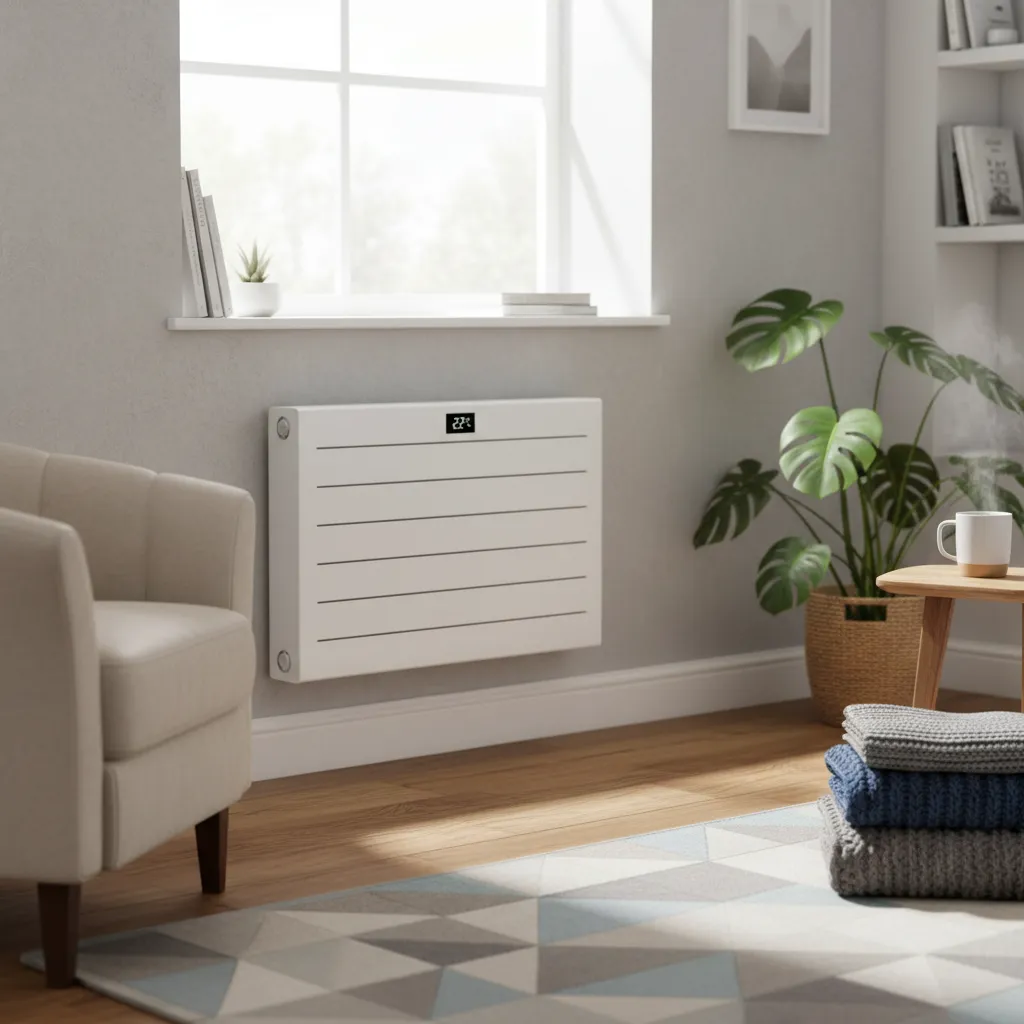
What Are Oil-Filled Radiators?
Oil-filled radiators operate on a simple yet highly effective principle. Within a sealed metal casing, an electric heating element warms a special diathermic oil. This oil, never needing replacement, circulates internally, transferring its thermal energy to the radiator’s outer surface, typically composed of fins. From there, heat is dispersed into the room primarily through a combination of radiant heat and natural convection. Radiant heat directly warms objects and people, while convection gently circulates warm air throughout the space.
Compared to other heating systems, oil-filled radiators offer distinct advantages and a few considerations. They are renowned for their quiet operation, as there are no fans to generate noise, making them ideal for bedrooms and living areas. Unlike forced-air heaters, they don’t circulate dust or allergens, nor do they significantly dry out the air, contributing to a more comfortable indoor environment. Their core strength lies in their thermal inertia – once the oil is heated, it retains warmth for an extended period, continuing to emit heat even after the power is switched off. This property contributes significantly to their energy efficiency and stable temperature output. However, this same characteristic means they typically take longer to reach the desired temperature compared to fan heaters.
Why Choose Wall-Mounted Oil-Filled Radiators?
Investing in a wall-mounted oil-filled radiator offers a multitude of benefits that cater to both practicality and modern living. Their design and heating method make them a smart choice for many households seeking an upgrade or a supplemental heating solution.
Firstly, the space-saving design is a major draw. By mounting directly onto a wall, these radiators free up precious floor space, making them perfect for smaller rooms, apartments, or minimalist interiors where clutter is to be avoided. This also eliminates the tripping hazard of power cords often associated with portable heaters.
Secondly, wall-mounted oil-filled radiators deliver consistent, lasting warmth. The heated oil within the unit ensures a steady and even heat distribution across the room, preventing the uncomfortable hot and cold spots often found with other heating methods. This thermal retention means your room stays cozy for longer, reducing temperature fluctuations and enhancing overall comfort.
Energy efficiency is another critical advantage. Thanks to the oil’s ability to retain heat, these radiators require less energy to maintain a set temperature, as they continue to radiate warmth even after the heating element cycles off. Many modern models incorporate advanced controls, further optimizing energy usage and potentially leading to significant savings on your electricity bills—some studies indicate up to 30% more efficiency than older heating systems.
Beyond functionality, their sleek and modern aesthetics make them an attractive addition to any room. Available in various finishes like white, black, and anthracite, they blend seamlessly with contemporary decor, adding a touch of elegance rather than being a bulky eyesore.
Finally, safety and low maintenance are inherent to their design. With sealed tanks, there’s no risk of oil leaks, and the heating elements are not exposed, making them safer than some alternatives. Most units come equipped with overheat protection, automatically shutting off if they get too hot, and many feature child locks for added peace of mind. Maintenance is minimal, typically only requiring periodic dusting to keep them functioning optimally.
Key Features and Types of Wall-Mounted Oil-Filled Radiators
Understanding the various features and types available is crucial for making an informed decision. Modern wall-mounted oil-filled radiators come equipped with technologies designed to enhance comfort, efficiency, and safety.
Power Output (Wattage) and Room Size
The wattage of an oil-filled radiator directly correlates with its heating capacity. Matching the radiator’s power to your room size is paramount for efficient and effective heating. A common guideline is approximately 10 watts per square foot of floor space.
- 500W-1000W: Ideal for small rooms, bathrooms, or supplementary heating in well-insulated spaces.
- 1500W: Suitable for medium-sized rooms, typically up to 150 square feet.
- 2000W-2500W: Best for larger rooms, open-plan living areas, or less insulated spaces up to 270 square feet.
Overpowering a small room is wasteful, while an underpowered radiator will struggle to heat a large space, running constantly and inefficiently.
|
Our Picks for the Best Oil filled radiator in 2026
As an Amazon Associate I earn from qualifying purchases.
|
||
| Num | Product | Action |
|---|---|---|
| 1 | PELONIS Oil Filled Radiator, Electric Space Heater for Indoor Use Large Room with Thermostat & Remote, 3 Modes & 3 Heat Settings, ECO Mode, 24H Timer, Quiet, Overheat & Tip-Over Protection, 1500W |

|
| 2 | PELONIS Radiator Heater for indoor use Large Room with Remote, Thermostat & LED Display, Quiet Oil Filled Heater with 5 Temperature Settings, Overheat & Tip-Over Protection, Silver |
|
| 3 | Amazon Basics Portable Oil Space Heater with Remote Control, 7 Oil-Filled Fins, Adjustable Thermostat, 3 Heat Settings, Tip-Over and Overheat Protection, ETL Safety Certificate, 1500W, Black |
|
| 4 | DREO Oil Filled Radiator, Electric Radiant Heaters for indoor use Large Room with Remote Control, Child Lock, 4 Modes, Overheat & Tip-Over Protection, 24h Timer, Digital Thermostat, Quiet, 1500W |
|
| 5 | Amazon Basics Portable Oil Space Heater with 7 Oil-Filled Fins, 3 Heat Settings, Adjustable Thermostat, Tip-Over and Overheat Protection, ETL Safety Certificate, 1500W, Black |
|
| 6 | Pelonis Oil Filled Radiator Heater for Large Space, 2025 Upgraded, Space Heaters with 1500W Quiet Warmth Radiant Heater, 3 Heating Modes, Overheat & Tip-Over Protection, Adjustable Thermostat, White |
|
| 7 | PELONIS Radiator Heater for Large Space, Electric Oil Filled Radiator, Dual Knobs, 1500W, Quiet Space Heater, 3 Modes, Tip-over Protection |
|
| 8 | Pelonis Oil Filled Radiator Heater for Large Space, 2025 Upgraded, Space Heaters with 1500W Quiet Warmth Radiant Heater, 3 Heating Modes, Overheat & Tip-Over Protection, Adjustable Thermostat, Black |
|
| 9 | PELONIS Radiator Heater for Large Space, Electric Oil Filled Radiator, Dual Knobs, 1500W, Quiet Space Heater, 3 Modes, Tip-over Protection |
|
| 10 | Amazon Basics Portable Oil Radiator Heater, Indoor Use, 3 Heat Settings, Over-Heat Protection, ETL-certified Safety, 7 Oil-Filled Steel Fins, 1500W, Tip-Over Protection, 11"D x 14.8"W x 25.2"H, White |
|
Thermostat Control
The thermostat is your primary tool for temperature management.
- Digital Thermostats: Offer precise temperature settings, often to the degree, along with memory functions that retain your preferred settings. They generally provide better control and can contribute to greater energy savings.
- Manual/Analog Thermostats: Simpler to operate with a dial, but offer less precise temperature control.
Timer and Programming Features
Modern radiators often include advanced programming capabilities that significantly enhance convenience and energy efficiency.
- 24-hour/7-day Timers: Allow you to set specific on/off times and temperature schedules throughout the day or week, ensuring your room is warm only when needed, such as pre-heating before you wake up or return home.
- Eco Mode: Automatically adjusts the heating power based on the room’s current temperature, optimizing energy consumption.
- Remote/App Control & Smart Features: Many contemporary models boast Wi-Fi connectivity, enabling control via smartphone apps or integration with smart home ecosystems like Alexa and Google Home. Some even include geolocation sensors (heating only when you’re home) or open window sensors (pausing heat when a window is open).
Safety Features
Safety is a top priority for any heating appliance.
- Overheat Protection: Automatically shuts off the unit if internal temperatures become too high, preventing potential hazards. This is a standard and essential feature.
- Child Lock: Prevents accidental changes to settings, offering peace of mind in homes with children.
- Cool-to-Touch Exterior: While not all oil-filled radiators remain cool to the touch on their heating surfaces, some designs minimize surface temperature to reduce burn risk.
- Tip-Over Switch: Less critical for properly installed wall-mounted units but can be a feature for units that also offer freestanding options.
Design and Build Quality
The physical design of the radiator impacts both its aesthetics and heating performance.
- Slimline Design: Many wall-mounted models are designed to be unobtrusive, sitting close to the wall.
- Fin Design: Radiators with more fins or wave-shaped fins typically have a larger surface area, which can lead to faster heat transfer and more efficient warming.
- Durable Materials: High-quality metal construction ensures longevity and robust performance.
Top Wall-Mounted Oil-Filled Radiators in 2026
While specific models for 2026 can be speculative, the market trends indicate a strong focus on smart features, energy efficiency, and sleek design. The “best” radiator is ultimately one that perfectly matches your specific needs, room size, and budget, while incorporating key features for performance and safety.
When considering a purchase, look for radiators that offer a strong balance of:
- Appropriate Wattage: As discussed, essential for heating your space effectively without waste.
- Advanced Smart Controls: Digital thermostats, programmable timers, and Wi-Fi connectivity with app control are increasingly standard in top models. Brands like Futura and KOMORE are often highlighted for their comprehensive smart features.
- Robust Safety Features: Overheat protection and child locks are non-negotiable. Some premium models might also offer cool-to-touch exteriors for added safety.
- Modern, Unobtrusive Design: Brands focusing on contemporary aesthetics, such as ADAX NEO (though often an electric panel heater, its design principles are influential), influence the look of high-end oil-filled units.
- Excellent Warranty: A longer warranty, typically 2-5 years, signifies the manufacturer’s confidence in the product’s durability and provides peace of mind.
While a detailed comparison table of hypothetical 2026 models isn’t feasible, you can expect leading brands to continue innovating in these areas. Focus on products from reputable manufacturers known for their quality and customer support.
How to Choose the Right Wall-Mounted Oil-Filled Radiator
Selecting the perfect wall-mounted oil-filled radiator requires a thoughtful evaluation of your needs and the product’s specifications. A well-chosen radiator will provide optimal warmth, efficiency, and satisfaction for years to come.
Assess Room Size and Heating Needs
Begin by accurately measuring the room you intend to heat (length x width in feet to get square footage). Factor in other elements like ceiling height, insulation quality (older homes may require more power), and the number of windows. Consider if the radiator will be the primary heat source or a supplemental one for a particularly chilly room. For example, a bathroom might need a smaller, fast-heating unit, while a living room demands a more powerful, consistent output.
Prioritize Energy Efficiency
To keep running costs down, energy efficiency should be a key consideration. Look for models equipped with:
- Precise Digital Thermostats: To maintain the desired temperature accurately without overheating.
- Programmable Timers: To schedule heating periods, ensuring the radiator only runs when needed.
- Eco Modes or Adaptive Heating: Features that automatically adjust power consumption based on ambient conditions.
- Smart Connectivity: Wi-Fi control and app integration allow for remote management and monitoring, further optimizing usage.
Check Safety Features
Safety cannot be compromised. Ensure your chosen radiator includes:
- Overheat Protection: An automatic shut-off mechanism is essential.
- Child Lock: If you have young children or pets, this feature prevents them from accidentally altering settings or turning the unit off/on.
- Cool-to-Touch Surfaces: While the core heating element is enclosed, some models are designed to keep external surfaces relatively cooler, reducing burn risk.
Consider Design and Installation
Think about how the radiator will look in your home. Wall-mounted units are designed to be sleek and blend in. Evaluate the radiator’s dimensions and design against your room’s aesthetic. Many wall-mounted models are designed for straightforward DIY installation with included brackets, but if you’re unsure, professional installation is always a safe bet to ensure secure mounting and proper electrical connection.
Brand Reputation and Warranty
Researching reputable brands known for their quality, reliability, and customer service is always a good practice. Check user reviews and ratings. Furthermore, pay close attention to the warranty offered. A robust warranty, typically between 2 to 5 years, is a strong indicator of the manufacturer’s confidence in their product’s durability and provides assurance for your investment.
Using and Maintaining Your Wall-Mounted Oil-Filled Radiator Safely and Effectively
Once you’ve chosen and installed your wall-mounted oil-filled radiator, proper usage and routine maintenance are key to maximizing its performance, efficiency, and lifespan.
Optimal Placement
The placement of your radiator can significantly impact its effectiveness.
- Countering Cold Drafts: Ideally, install the radiator on exterior walls or beneath windows. This helps to neutralize cold downdrafts and evenly distribute warmth throughout the room.
- Maintain Clearances: Ensure there is at least 12-18 inches of clear space around the radiator to allow for proper heat circulation. Avoid placing furniture, curtains, or any other obstructions directly in front of or over the unit.
- Direct Plug-In: Always plug the radiator directly into a wall outlet. Avoid using extension cords, as they can overheat and pose a fire hazard, especially with high-wattage appliances.
Utilizing Smart Features
Leverage your radiator’s advanced functionalities to enhance comfort and energy savings.
- Set Schedules with Timers: Use the programmable timer to set specific heating periods, so the room is warm when you need it and off when you don’t. This prevents continuous running and saves energy.
- Engage Eco Mode: If available, activate the Eco mode. This intelligent setting often adjusts the power output to maintain the desired temperature with minimal energy consumption.
- Remote Management: Utilize smartphone apps or voice assistants for remote control, allowing you to turn the heater on or off or adjust settings from anywhere, ensuring you always return to a cozy home.
- Monitor Energy Usage: Some smart plugs can track energy consumption, helping you understand running costs and identify opportunities for further efficiency.
Safety Precautions
While oil-filled radiators are generally safe, adhering to basic precautions is essential.
- Never Cover the Radiator: This can lead to overheating and is a fire risk. Do not use the radiator for drying clothes or towels.
- Keep Away from Flammable Materials: Maintain a safe distance between the radiator and curtains, bedding, paper, or any other combustible items.
- Child Lock Activation: If your model has a child lock, ensure it is activated to prevent unintended operation or temperature changes by curious hands.
Cleaning and Storage
Oil-filled radiators require minimal maintenance, largely due to their sealed system.
- Periodic Dusting: Regularly wipe down the exterior with a soft, dry, or slightly damp cloth to remove dust and grime. Ensure the unit is unplugged and completely cool before cleaning.
- No Oil Refilling: The diathermic oil inside is permanently sealed and does not need to be refilled or replaced. If you suspect an oil leak, discontinue use immediately and contact a professional.
Common Issues and Troubleshooting for Wall-Mounted Oil-Filled Radiators
Even the most reliable appliances can encounter occasional issues. Knowing how to troubleshoot common problems can often save you time and the need for a service call.
Radiator Not Turning On or No Heat
This is the most frequent complaint.
- Check Power Supply: Ensure the radiator is securely plugged into a functioning wall outlet. Test the outlet with another appliance. Verify that the main on/off switch on the unit (if present) is engaged and that no circuit breakers have tripped.
- Thermostat Settings: Confirm the thermostat is set to “heat” mode and the desired temperature is above the current room temperature. If it’s a smart radiator, check the app settings.
- Main Control Button: Some models have an additional on/off button on the control panel. Make sure it’s pressed.
- Internal Component Failure: If basic checks yield no results, there might be an internal issue such as a faulty heating element or a blown thermal fuse. These usually require professional diagnosis and repair.
Unusual Noises
It’s common for oil-filled radiators to produce some sounds.
- Creaking or Ticking: This is usually normal and occurs due to the expansion and contraction of the metal casing as it heats up and cools down. It typically subsides once the radiator reaches a stable temperature.
- Gurgling: If you hear gurgling, it could indicate air trapped inside the sealed oil system, which is generally harmless but might be a sign of a manufacturing anomaly if persistent.
Emitting Strange Odors
New radiators may emit a temporary smell.
- “New Appliance” Smell: A faint burning or metallic smell can occur during the first few uses as manufacturing oils or dust burn off. This should dissipate with ventilation.
- Persistent/Strong Odor: If a strong or acrid burning smell persists, immediately turn off and unplug the radiator. This could indicate an electrical fault or overheating, requiring professional attention.
High Energy Consumption
If your electricity bills seem unusually high.
- Radiator Size vs. Room Size: An undersized radiator for a large room will constantly run at maximum power, consuming more electricity.
- Thermostat Calibration/Settings: Ensure your thermostat is calibrated correctly and that you’re not setting the temperature unnecessarily high. Utilize timers and Eco modes.
- Room Insulation: Poor insulation, drafty windows, or open doors will cause the radiator to work harder to maintain temperature.
When to Call a Professional
While many minor issues can be self-addressed, certain problems warrant expert intervention.
- Any signs of smoke, sparks, or persistent burning smells should prompt immediate disconnection and a call to a qualified electrician or HVAC technician.
- If the radiator is not heating at all after checking all basic power and setting configurations, or if you suspect an internal electrical component failure.
- Any evidence of oil leakage (though extremely rare in sealed units).
- If you’re unsure about the cause of a problem or uncomfortable performing troubleshooting steps.
Conclusion
Wall-mounted oil-filled radiators represent a smart, stylish, and highly efficient solution for modern home heating. Their ability to deliver consistent, gentle warmth, coupled with space-saving designs and advanced smart features, makes them a compelling choice for a comfortable living environment. By understanding their operating principles, recognizing key features, and adhering to proper usage and maintenance guidelines, you can ensure you select the best model for your needs and enjoy reliable, cost-effective heating for years to come. These heaters are more than just appliances; they are an investment in enhanced comfort and efficiency for your home.
Are you ready to transform your home’s warmth and efficiency with a modern wall-mounted oil-filled radiator?
Frequently Asked Questions
Are wall-mounted oil-filled radiators safe for continuous use or overnight?
Yes, modern wall-mounted oil-filled radiators are generally very safe for continuous or overnight use. They come equipped with essential safety features like overheat protection, which automatically shuts off the unit if it gets too hot, and many have child locks. Always ensure proper clearance from flammable materials and plug directly into a wall outlet for maximum safety.
How energy efficient are wall-mounted oil-filled radiators compared to other electric heaters?
Wall-mounted oil-filled radiators are highly energy-efficient, converting nearly 100% of the electrical energy they consume into heat. Their advantage lies in thermal inertia: the oil retains heat for extended periods, meaning they continue to warm the room even after cycling off, reducing the need for continuous power draw compared to fan heaters or older resistance heaters.
Do wall-mounted oil-filled radiators dry out the air or affect air quality?
No, oil-filled radiators do not typically dry out the air or negatively impact air quality. Unlike fan heaters that blow hot air and can reduce humidity, oil-filled radiators use radiant heat and natural convection to warm a space gently, minimizing air movement and maintaining a more comfortable humidity level.
What room size is a 1500W wall-mounted oil-filled radiator suitable for?
A 1500W wall-mounted oil-filled radiator is generally suitable for heating medium-sized rooms, typically up to 150 square feet (approximately 14 square meters). However, factors like room insulation, ceiling height, and the number of windows can influence the actual heating effectiveness.
Can I install a wall-mounted oil-filled radiator myself, or do I need a professional?
Many wall-mounted oil-filled radiators are designed for straightforward DIY installation, often coming with universal wall brackets and clear instructions. However, if you are not comfortable with electrical work or mounting heavy objects, hiring a qualified electrician or handyman is recommended to ensure secure installation and proper electrical connection.
