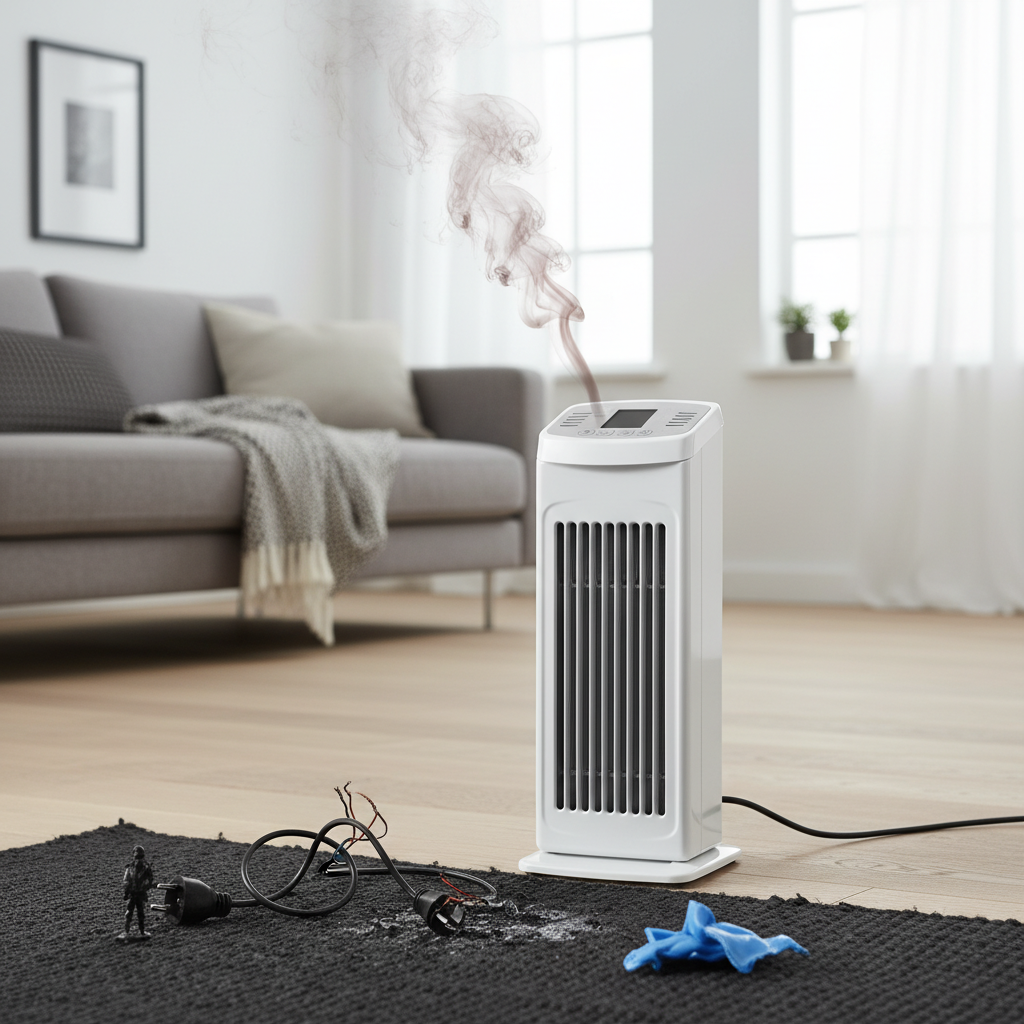
That unmistakable, acrid smell of burning plastic from your oil heater can be alarming. When your oil heater emits a burning plastic odor, it’s a clear signal that something is amiss and requires immediate attention. It’s a distinct smell that shouldn’t be ignored, contrasting sharply with the faint, dusty scent some heaters produce during initial use. This guide will explore the common reasons behind this concerning smell, the potential dangers it poses, and crucial steps you can take to diagnose and resolve the issue, ensuring your home remains a safe and warm sanctuary.
Understanding Your Oil Heater: How it Works and Normal Operation
Oil-filled heaters, often called oil-filled radiators, are designed to provide warmth through convection and radiant heat. Inside their sealed fins, diathermic oil is heated by an electrical element. This hot oil then circulates, warming the metal fins, which in turn heat the surrounding air and objects in the room. Unlike forced-air systems, oil heaters typically operate silently and without a fan, relying on natural airflow for heat distribution.
When you first activate a new oil heater, or one that has been dormant for several months, you might detect a slight odor. This is often a “new product heat smell,” caused by the burning off of manufacturing residues, or simply dust that has settled on the heating elements over time. These smells are generally mild, temporary, and should dissipate within a few hours or a day of continuous use. However, a strong, persistent, or clearly plastic-like burning smell is a different matter and warrants immediate investigation.
Why Does My Oil Heater Smell Like Burning Plastic? Immediate Concerns and Common Causes
A burning plastic smell is a critical indicator that something is wrong with your oil heater and should never be dismissed. This distinct odor points to potential hazards that need swift resolution.
New Heater “Burn-Off” Smell
|
Our Picks for the Best Oil filled radiator in 2026
As an Amazon Associate I earn from qualifying purchases.
|
||
| Num | Product | Action |
|---|---|---|
| 1 | PELONIS Radiator Heater for indoor use Large Room with Remote, Thermostat & LED Display, Quiet Oil Filled Heater with 5 Temperature Settings, Overheat & Tip-Over Protection, Silver |

|
| 2 | PELONIS Radiator Heater for Large Space, Electric Oil Filled Radiator, Dual Knobs, 1500W, Quiet Space Heater, 3 Modes, Tip-over Protection |
|
| 3 | Pelonis Oil Filled Radiator Heater for Large Space, 2025 Upgraded, Space Heaters with 1500W Quiet Warmth Radiant Heater, 3 Heating Modes, Overheat & Tip-Over Protection, Adjustable Thermostat, White |
|
| 4 | Pelonis Oil Filled Radiator Heater for Large Space, 2025 Upgraded, Space Heaters with 1500W Quiet Warmth Radiant Heater, 3 Heating Modes, Overheat & Tip-Over Protection, Adjustable Thermostat, Black |
|
| 5 | DREO Oil Filled Radiator, Electric Radiant Heaters for indoor use Large Room with Remote Control, Child Lock, 4 Modes, Overheat & Tip-Over Protection, 24h Timer, Digital Thermostat, Quiet, 1500W |
|
| 6 | Amazon Basics Portable Oil Space Heater with 7 Oil-Filled Fins, 3 Heat Settings, Adjustable Thermostat, Tip-Over and Overheat Protection, ETL Safety Certificate, 1500W, Black |
|
| 7 | Amazon Basics Portable Oil Radiator Heater, Indoor Use, 3 Heat Settings, Over-Heat Protection, ETL-certified Safety, 7 Oil-Filled Steel Fins, 1500W, Tip-Over Protection, 11"D x 14.8"W x 25.2"H, White |
|
| 8 | PELONIS Oil Filled Radiator, Electric Space Heater for Indoor Use Large Room with Thermostat & Remote, 3 Modes & 3 Heat Settings, ECO Mode, 24H Timer, Quiet, Overheat & Tip-Over Protection, 1500W |
|
| 9 | PELONIS Radiator Heater for Large Space, Electric Oil Filled Radiator, Dual Knobs, 1500W, Quiet Space Heater, 3 Modes, Tip-over Protection |
|
| 10 | Amazon Basics Portable Oil Space Heater with Remote Control, 7 Oil-Filled Fins, Adjustable Thermostat, 3 Heat Settings, Tip-Over and Overheat Protection, ETL Safety Certificate, 1500W, Black |
|
Even though oil heaters are sealed units, a brand-new model can sometimes produce a faint chemical or plastic-like smell during its initial operation. This is usually due to the factory oils, protective coatings, or other manufacturing residues burning off the heating elements for the first time. This “burn-off” should be mild and temporary, typically fading within the first few hours or a day of use. If the smell is strong, doesn’t dissipate, or intensifies, it suggests a more serious underlying issue.
Dust Accumulation
While often associated with a “burning dust” smell, heavy accumulation of dust and debris on the heater’s surfaces or internal components can sometimes produce an odor that might be mistaken for burning plastic. When dust settles on hot elements, it incinerates, releasing an unpleasant smell. If there are small synthetic fibers or other micro-plastics mixed with the dust, the odor can take on a more chemical or plastic quality. This is more common after a heater has been unused for an extended period, such as during warmer months.
Foreign Objects or Debris
One of the most common and easily identifiable causes of a burning plastic smell is a foreign object coming into contact with the hot surfaces of the heater. Small household items made of plastic, such as children’s toys, pen caps, plastic bags, or even pet hair and synthetic fabrics, can accidentally fall onto or against the heater’s hot fins. The heat causes these items to melt and burn, releasing noxious fumes and the tell-tale plastic odor. It’s crucial to inspect the heater thoroughly for any misplaced items.
Overheating Electrical Components
The internal electrical components of your oil heater, including wiring, circuit boards, and connectors, are typically insulated with plastic or rubber. If these components malfunction due to wear and tear, manufacturing defects, or excessive heat, they can overheat, causing the insulation to melt and burn. This can be a serious fire hazard. An electrical burning smell might accompany clicking or buzzing noises, or the heater might trip a circuit breaker.
Damaged Cords or Plugs
The power cord and plug of your oil heater are also made of insulated wires. Over time, these can become frayed, cracked, or damaged, especially if bent sharply, placed under furniture, or repeatedly stressed. A damaged cord or plug can lead to resistance and localized overheating, causing the plastic insulation to melt. If you notice a burning plastic smell and the cord or plug feels unusually hot to the touch, or shows visible signs of charring, it indicates a critical safety issue.
Internal Component Failure
Although less common, internal failures within the heater can also cause a burning plastic odor. This could involve plastic components within the unit that were not designed to withstand certain temperatures, or a part malfunctioning and creating excessive heat. While oil heaters are generally robust, any internal breakdown that leads to melting plastic is a serious concern requiring professional assessment.
Is a Burning Plastic Smell Dangerous? When to Take Action
Yes, a burning plastic smell from your oil heater can be extremely dangerous and should always be treated as a serious hazard. The fumes emitted from burning plastic are not merely unpleasant; they are often toxic and harmful to human health.
When plastic melts or burns, it releases a cocktail of toxic chemicals and particulates into the air. These can include substances like dioxins, hydrochloric acid, heavy metals, sulfur dioxide, and furans. Inhaling these fumes can have severe immediate and long-term health consequences, potentially damaging the respiratory system, immune system, and increasing the risk of certain cancers. These hazardous fumes can rapidly circulate throughout your home, especially if the heater is near an HVAC return vent.
“A burning plastic odor is dangerous because it can emit fumes that are toxic to inhale. Burning plastic releases particulates and toxic chemicals, such as dioxins, hydrochloric acid, heavy metals, sulfur dioxide and furans. These fumes can damage the respiratory and immune systems and cause cancer.”
When you detect a burning plastic smell, immediate action is paramount:
- Do NOT ignore it: Unlike a faint dusty smell that might dissipate, a distinct plastic burning odor is a warning sign of a potentially dangerous situation, including fire risk or exposure to toxic chemicals.
- Act quickly: The longer plastic burns, the more fumes are released, and the higher the risk of fire or further damage.
Troubleshooting Steps: What to Do When Your Heater Smells
If you detect a burning plastic smell from your oil heater, follow these steps immediately to ensure safety and diagnose the issue.
Immediate Safety Precautions
Your first priority is to eliminate the source of the potential danger.
- Turn Off and Unplug Immediately: Do not hesitate. Locate the heater’s power switch and turn it off. Then, carefully unplug the heater from the wall outlet. Avoid touching any hot or visibly damaged parts.
- Ventilate the Area: Open windows and doors in the room where the smell is present to allow fresh air to circulate and dissipate any harmful fumes. If possible, leave the room until the smell clears.
- Assess Personal Safety: If the smell is overwhelming, or if anyone in the household experiences symptoms like dizziness, nausea, difficulty breathing, or eye irritation, evacuate the premises and seek medical attention if necessary.
Inspecting for Visible Issues
Once the heater is unplugged and cooled down, you can perform a visual inspection.
- Check for Foreign Objects: Carefully examine the heater’s fins, crevices, and the area directly around it for any melted plastic objects, paper, fabric, or other debris that may have fallen onto or against the hot surfaces. Remove any such items once the unit is cool.
- Inspect the Power Cord and Plug: Look for any signs of damage on the power cord, such as fraying, cuts, discoloration, or melted plastic insulation. Check the plug for any burn marks or signs of overheating. If you find any damage, do not plug the heater back in.
- Look for Burn Marks: Examine the exterior casing of the heater for any visible scorch marks, melted plastic, or discolored areas, which could indicate internal overheating.
Cleaning Your Oil Heater
If your inspection reveals no obvious foreign objects or electrical damage, and you suspect dust might be the culprit, a thorough cleaning can help.
- Dust Removal: Using a soft cloth, a vacuum cleaner with a brush attachment, or compressed air, carefully remove any dust, pet hair, and debris from the exterior surfaces and between the fins of the heater. Ensure the heater is completely cool and unplugged before cleaning. Do not use water or liquid cleaners directly on the heating elements or electrical components.
- Internal Access (Caution): Most oil heaters are sealed units, and attempting to open them yourself can be dangerous and may void the warranty. Only professional technicians should open the heater to inspect internal components.
Preventing Burning Smells: Maintenance Tips for a Safe Heater
Regular care and awareness can significantly reduce the likelihood of your oil heater emitting alarming burning smells, ensuring both efficiency and safety.
Regular Cleaning Schedule
Dust and debris are common culprits for unpleasant odors. Make it a habit to clean your oil heater regularly, especially before the heating season begins and periodically throughout its use.
- Wipe Down Surfaces: Use a dry cloth to wipe dust from the exterior of the heater.
- Vacuum Fins: Use a vacuum cleaner with a brush attachment to gently remove dust from between the heater’s fins. This prevents dust from accumulating and burning off when the unit heats up.
Proper Placement and Ventilation
Where you place your heater plays a critical role in its safe operation and preventing foreign objects from contacting hot surfaces.
- Clearance: Always ensure ample space around the heater. Keep it at least three feet away from anything flammable, such as curtains, furniture, bedding, paper, or clothing.
- Stable Surface: Place the heater on a stable, flat surface to prevent it from tipping over. Many modern oil heaters have tip-over protection, but prevention is key.
- Avoid Obstructions: Never cover the heater with clothes or blankets, as this can lead to overheating and fire. Do not block its vents or openings.
Cord and Plug Care
The electrical cord is a vulnerable part of any appliance. Proper handling extends its life and prevents hazards.
- Inspect Regularly: Periodically check the power cord and plug for any signs of wear, fraying, cuts, or discoloration.
- Avoid Overloading: Do not plug the heater into an extension cord or power strip, as these can overheat and cause a fire. Plug it directly into a wall outlet.
- Handle with Care: Avoid bending the cord sharply, running it under rugs or furniture, or placing heavy objects on it, all of which can damage the internal wiring.
Professional Servicing
While oil heaters require minimal maintenance, professional inspection can be invaluable, particularly if you suspect an internal issue.
- Annual Check-up: Consider having a qualified technician inspect your heater every few years, especially if it’s an older unit or if you’ve noticed any unusual behavior. They can check internal wiring, connections, and components that are not accessible to the user.
- Address Lingering Concerns: If you’ve cleaned your heater and removed any foreign objects, but the burning plastic smell persists, it’s a clear sign to call a professional.
When to Call a Professional or Replace Your Heater
While some issues can be resolved with simple troubleshooting and cleaning, certain situations demand expert intervention or even a complete replacement of your oil heater to ensure safety.
You should contact a qualified HVAC technician or electrician immediately if:
- The Burning Smell Persists: After you’ve turned off, unplugged, inspected, and cleaned your heater, if the burning plastic smell returns or persists, it indicates an underlying problem that requires professional diagnosis.
- Visible Electrical Damage: If you notice any scorching, melting, or fraying on the heater’s power cord, plug, or casing, do not use the heater. An electrician or HVAC professional can assess the electrical integrity.
- Signs of Internal Malfunction: If you hear unusual noises (like buzzing, sparking, or grinding), see flickering lights when the heater is on, or if the heater frequently trips your circuit breaker, these are signs of internal electrical problems.
- Heater Is Overheating: If the heater itself feels excessively hot to the touch (beyond normal operating temperature), or if its safety features (like automatic shut-off) fail to engage, it could be a dangerous overheating issue.
- Unidentifiable Source: If you cannot pinpoint the source of the burning plastic smell after a thorough visual inspection, it’s best to let a professional investigate. They have the tools and expertise to safely examine internal components.
In some cases, especially with older units or if repairs are costly, replacing the heater might be the safest and most economical option. Consider replacement if your heater is frequently malfunctioning, if multiple components are failing, or if a professional advises that the unit is no longer safe to operate. Investing in a new, energy-efficient model with modern safety features can offer peace of mind and reliable warmth.
Conclusion
Detecting a burning plastic smell from your oil heater is a serious matter that should never be ignored. While mild initial odors from new units or dust are often benign, a distinct or persistent burning plastic scent signals a potential hazard, from foreign objects melting to dangerous electrical failures. Prioritizing immediate action—unplugging the unit and ventilating the area—is crucial for your safety and the well-being of your home. Regular cleaning, proper placement, and vigilance over power cords are simple yet effective preventive measures. When in doubt, or if the smell persists, contacting a qualified professional is the smartest step. Your comfort is important, but your safety is paramount. Are you confident in recognizing the subtle differences between a normal heater smell and a dangerous one?
Frequently Asked Questions
Is it normal for a new oil heater to smell like burning plastic initially?
A faint, new-product smell or a mild plastic-like odor can be normal for a new oil heater during its first few hours of operation, as manufacturing residues burn off. However, this smell should be mild and dissipate quickly. If it’s strong, lingers for more than a day, or worsens, it’s a cause for concern.
What should I do immediately if my oil heater smells like burning plastic?
Immediately turn off and unplug the oil heater from the wall outlet. Open windows and doors to ventilate the room. Once the heater is cool, visually inspect it for any melted foreign objects or visible damage to the cord or unit itself. If the smell persists after clearing any debris, do not use the heater and call a professional.
Are the fumes from burning plastic dangerous to inhale?
Yes, fumes from burning plastic are highly dangerous. They can release toxic chemicals such as dioxins, hydrochloric acid, and heavy metals, which can cause respiratory issues, immune system damage, and increase the risk of cancer. Always ventilate the area and seek fresh air immediately.
Can dust cause an oil heater to smell like burning plastic?
While dust typically creates a “burning dust” smell, a heavy accumulation of dust mixed with synthetic fibers or other micro-plastics can sometimes produce an odor that resembles burning plastic. Regularly cleaning your heater can prevent this, but a strong plastic smell usually indicates more than just dust.
When should I call a professional for an oil heater burning plastic smell?
You should call a professional if the burning plastic smell persists after you’ve unplugged, inspected, and cleaned the heater, if you notice any visible damage to the electrical cord or unit, or if you hear unusual noises. Any suspicion of an electrical issue or internal malfunction warrants expert inspection for safety.
