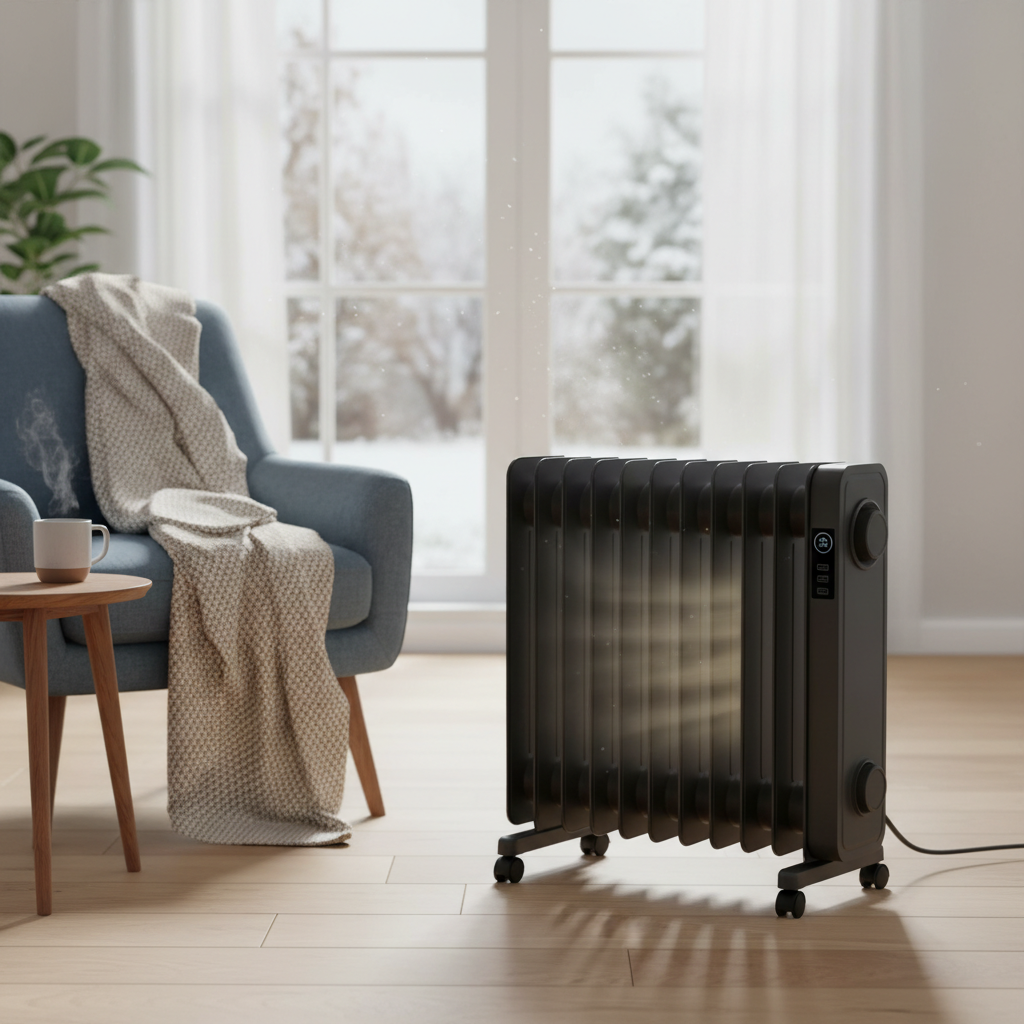
Few things are as comforting as the steady warmth radiating from an oil heater on a chilly day. Yet, a sudden clicking noise can instantly shift that comfort to concern. Is that sound normal, or is your trusted heating appliance trying to tell you something more serious? Understanding the source of these clicks is key to both peace of mind and safe operation. This article will guide you through the common reasons your oil heater might be making clicking noises, differentiating between the harmless and the potentially problematic, and offering practical advice for what to do next.
The Science Behind the Sounds: Thermal Expansion and Contraction
Often, the most frequent and benign reason an oil heater produces clicking or ticking sounds is simply the physics of thermal expansion and contraction. As your heater warms up, the metal components — such as the fins, casing, and internal elements — heat and expand slightly. When the heater cools down, these same metal parts contract. This subtle shifting and flexing of materials can create soft clicking or ticking sounds as different sections rub or settle against each other.
This phenomenon is entirely normal for many appliances that undergo temperature changes, including oil heaters. You’ll typically hear these sounds both when the unit is actively heating and shortly after it has been turned off and begins to cool down. Think of it like an old house settling; these are just the natural responses of materials to varying temperatures.
Is It Your Thermostat? Understanding Control Unit Clicks
Another very common source of clicking noises in an oil heater comes from its control unit, specifically the thermostat or internal relays. Modern oil heaters often feature an adjustable thermostat to maintain your desired room temperature efficiently. When the thermostat senses the room temperature has dropped below your setting, it “clicks” on, activating the heating elements. Conversely, when the room reaches the set temperature, it “clicks” off, deactivating the elements to prevent overheating and conserve energy.
This on-and-off cycling is a fundamental part of how your heater regulates warmth and is usually nothing to worry about. The sound you hear is often a small relay inside the control panel engaging or disengaging the power supply. If you notice a clicking sound precisely when the heater switches on or off, it’s a strong indicator that your thermostat is simply doing its job. However, if the clicking is constant, rapid, and doesn’t correspond to the heating cycle, it could suggest a thermostat malfunction or an electrical issue within the control unit.
Other Potential Sounds: The Internal Dynamics of Oil
While clicking is primarily associated with metal expansion or thermostat operation, sometimes other internal sounds might be mistaken for a click or accompany it. Oil-filled radiators contain a special diathermic oil that circulates within the sealed fins to transfer heat. When the heater is cold and first starts up, this oil can be more viscous. As it heats up and begins to circulate, you might occasionally hear subtle gurgling, dripping, or gentle bubbling sounds.
These sounds occur as the oil warms, becomes less viscous, and moves through the internal passages. This is also generally a normal part of the warm-up process and usually subsides once the oil reaches a consistent operating temperature. It’s distinct from the sharp “click” of metal or a relay but is another example of a harmless operational noise you might encounter.
When to Be Concerned: Signs of a Problem
While many clicking sounds are benign, there are instances when they might signal a more serious issue that requires attention. It’s crucial to distinguish between normal operational noises and those that suggest a malfunction.
Consider these warning signs:
- Loud, Persistent, or Unusual Clicking: If the clicking is excessively loud, or if it’s a new sound that differs significantly from what you’ve heard before, it warrants investigation. Persistent, rapid clicking that doesn’t stop, especially if it’s not associated with the thermostat cycling, can be a red flag.
- Clicking Accompanied by Other Symptoms:
- Burning Smells: Any burning odor, electrical or otherwise, combined with clicking, indicates a serious problem. Unplug the heater immediately.
- Lack of Heat Output: If the heater is clicking but not producing heat, or is heating inefficiently, something is amiss with its internal components or thermostat.
- Visible Damage or Sparks: Immediately discontinue use if you observe any visible damage, frayed wires, or sparks.
- Circuit Breaker Tripping: Frequent tripping of your circuit breaker alongside clicking suggests an electrical fault or overload within the heater.
- Error Codes or Warning Lights: Some advanced models may display error codes. Consult your user manual if clicking coincides with these indicators.
It’s important to differentiate between a portable electric oil-filled radiator and an oil-fired furnace. For an oil-fired furnace (a central heating system), persistent clicking could indicate issues with the igniter, transformer, primary control, or other critical components that require immediate professional HVAC service due to the nature of combustion and fuel. For electric oil heaters, the risks are generally electrical, but still serious if ignored.
Troubleshooting Common Clicking Noises
Before you panic, there are a few simple steps you can take to assess and potentially address common clicking noises in your oil heater.
- Observe the Heater’s Behavior: Pay close attention to when the clicking occurs. Does it happen only during warm-up or cool-down? Is it synchronized with the thermostat cycling? This observation is the most valuable diagnostic tool you have.
- Ensure Proper Placement and Ventilation: Make sure your oil heater is placed on a stable, level surface and has adequate clearance from walls, furniture, and curtains. Blocked vents or an unstable position can sometimes exacerbate minor internal movements, making sounds more noticeable.
- Check the Power Connection: Ensure the heater’s plug is securely seated in the wall outlet. A loose connection can sometimes cause intermittent electrical sounds, although usually not clicking directly from the unit. Avoid using extension cords, as they can lead to overheating or inadequate power supply.
- Reset the Heater: If your heater has a reset button or feature, follow the manufacturer’s instructions to reset it. Sometimes, a soft reset can clear minor glitches in the control system. Unplugging the unit for 15-30 minutes can also serve as a basic reset.
- Consult Your User Manual: Your oil heater’s manual is a treasure trove of information specific to your model. It often includes a troubleshooting section for common noises and operational issues.
“A persistent, unfamiliar clicking sound, especially when accompanied by performance issues, is your heater’s way of asking for a closer look. Trust your instincts when it comes to unusual noises.” – John Smith, HVAC Technician with 15 years of experience.
Professional Help: When to Call an Expert
While some clicking sounds are normal, knowing when to call a professional can prevent further damage or ensure safety. If you’ve gone through the troubleshooting steps and the clicking persists, or if you notice any of the concerning symptoms listed above, it’s time to seek expert help.
You should contact a qualified appliance repair technician or an electrician if:
- The clicking is loud, constant, or appears to originate from an electrical component.
- You smell burning plastic, electrical ozone, or any other unusual odors.
- The heater is clicking but fails to produce heat.
- The circuit breaker trips repeatedly when the heater is in use.
- You see sparks, smoke, or other visible signs of malfunction.
- You are unsure about the safety of the unit or cannot identify the source of the noise.
Never attempt to open or repair an oil-filled heater yourself unless you are a qualified professional. These units contain sealed oil and electrical components that can pose risks if mishandled.
Conclusion
Hearing clicking noises from your oil heater can be unsettling, but in most cases, these sounds are simply a normal part of its operation, stemming from thermal expansion and contraction or the thermostat engaging and disengaging. These minor shifts and electrical actions are signs that your heater is working as designed. However, it’s vital to remain vigilant for any changes in the sound’s intensity, frequency, or if it’s accompanied by other alarming signs like burning smells, lack of heat, or electrical issues. By understanding the common causes and knowing when to troubleshoot or seek professional assistance, you can ensure your oil heater continues to provide safe and efficient warmth for years to come. What unique sounds has your heater made, and how did you resolve them?
Frequently Asked Questions
Is a ticking noise from an oil heater always normal?
|
Our Picks for the Best Oil filled radiator in 2026
As an Amazon Associate I earn from qualifying purchases.
|
||
| Num | Product | Action |
|---|---|---|
| 1 | PELONIS Radiator Heater for indoor use Large Room with Remote, Thermostat & LED Display, Quiet Oil Filled Heater with 5 Temperature Settings, Overheat & Tip-Over Protection, Silver |

|
| 2 | Pelonis Oil Filled Radiator Heater for Large Space, 2025 Upgraded, Space Heaters with 1500W Quiet Warmth Radiant Heater, 3 Heating Modes, Overheat & Tip-Over Protection, Adjustable Thermostat, White |
|
| 3 | PELONIS Radiator Heater for Large Space, Electric Oil Filled Radiator, Dual Knobs, 1500W, Quiet Space Heater, 3 Modes, Tip-over Protection |
|
| 4 | DREO Oil Filled Radiator, Electric Radiant Heaters for indoor use Large Room with Remote Control, Child Lock, 4 Modes, Overheat & Tip-Over Protection, 24h Timer, Digital Thermostat, Quiet, 1500W |
|
| 5 | PELONIS Oil Filled Radiator, Electric Space Heater for Indoor Use Large Room with Thermostat & Remote, 3 Modes & 3 Heat Settings, ECO Mode, 24H Timer, Quiet, Overheat & Tip-Over Protection, 1500W |
|
| 6 | Pelonis Oil Filled Radiator Heater for Large Space, 2025 Upgraded, Space Heaters with 1500W Quiet Warmth Radiant Heater, 3 Heating Modes, Overheat & Tip-Over Protection, Adjustable Thermostat, Black |
|
| 7 | Amazon Basics Portable Oil Space Heater with Remote Control, 7 Oil-Filled Fins, Adjustable Thermostat, 3 Heat Settings, Tip-Over and Overheat Protection, ETL Safety Certificate, 1500W, Black |
|
| 8 | Amazon Basics Portable Oil Space Heater with 7 Oil-Filled Fins, 3 Heat Settings, Adjustable Thermostat, Tip-Over and Overheat Protection, ETL Safety Certificate, 1500W, Black |
|
| 9 | PELONIS Radiator Heater for Large Space, Electric Oil Filled Radiator, Dual Knobs, 1500W, Quiet Space Heater, 3 Modes, Tip-over Protection |
|
| 10 | Amazon Basics Portable Oil Radiator Heater, Indoor Use, 3 Heat Settings, Over-Heat Protection, ETL-certified Safety, 7 Oil-Filled Steel Fins, 1500W, Tip-Over Protection, 11"D x 14.8"W x 25.2"H, White |
|
Not always. While light ticking during heating and cooling due to thermal expansion is normal, loud, persistent, or rapid ticking that doesn’t subside or is accompanied by other problems like burning smells or lack of heat could indicate a fault, possibly with the thermostat or internal components.
My oil heater clicks but doesn’t heat up. What does that mean?
If your oil heater clicks but fails to produce heat, it typically points to a problem with the heating elements or a control system malfunction. The clicking might be the thermostat trying to engage, but the heating mechanism isn’t responding. This usually requires professional inspection and repair.
Can I fix a clicking oil heater myself?
For basic noises caused by thermal expansion, no action is usually needed. For issues like a faulty thermostat or electrical problems, it’s strongly recommended not to attempt DIY repairs. Oil heaters contain sealed oil and intricate electrical systems best handled by qualified appliance technicians or electricians to ensure safety.
Why does my oil heater click when it’s off?
Clicking when an oil heater is off is often due to the metal components cooling down and contracting. Just as they expand when hot, they shrink when cooling, causing minor shifts and friction that create soft clicking or ticking sounds as the unit returns to ambient temperature. This is generally a normal occurrence.
Should I unplug my oil heater if it’s making strange clicking sounds?
Yes, if the clicking sounds are unusual, loud, persistent, or accompanied by other concerning signs like burning odors, smoke, or visible damage, you should immediately unplug the oil heater from the wall outlet. This prevents potential electrical hazards and allows for a safe inspection.