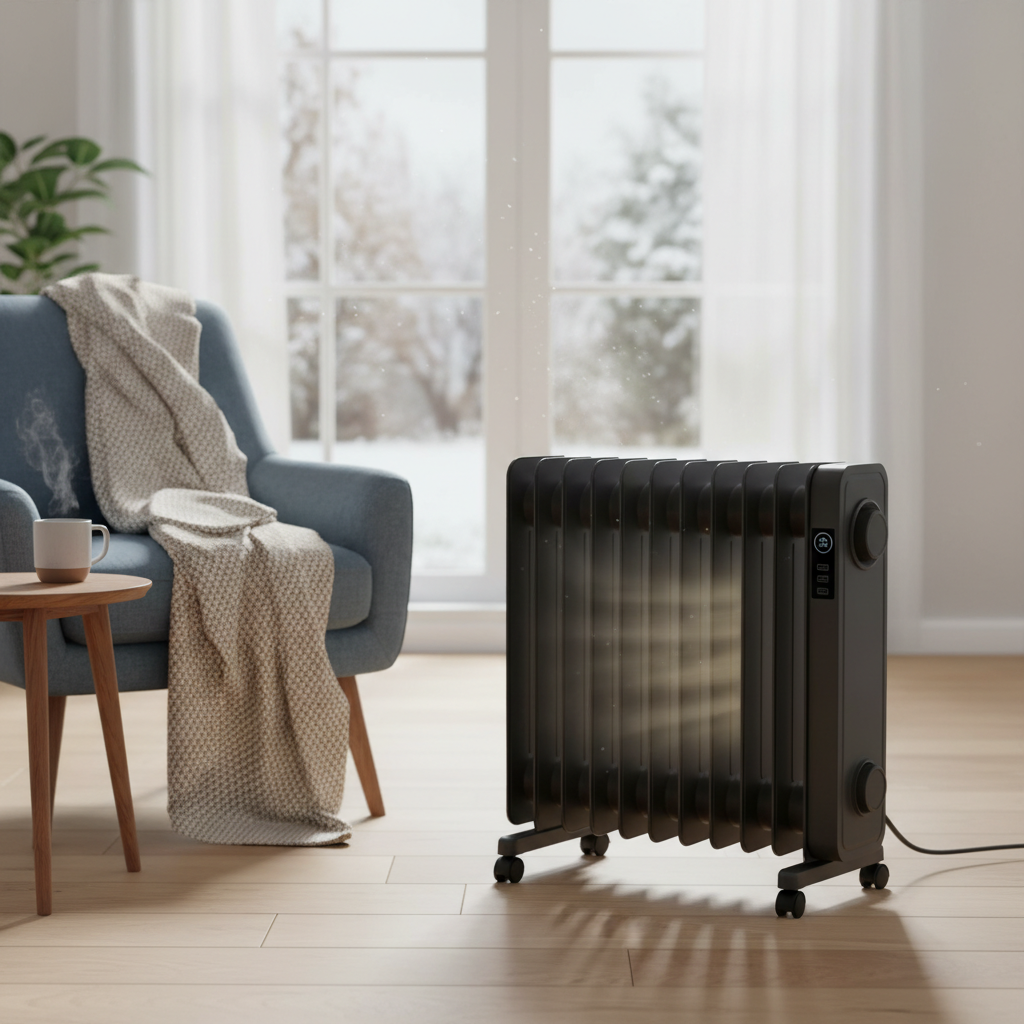
Heating vast or busy commercial and industrial spaces presents a unique challenge. Unlike residential areas, workshops, garages, and large offices demand robust, efficient, and safe heating solutions that can withstand rigorous use and provide consistent warmth. Heavy duty commercial oil radiators emerge as a superior choice, offering a blend of quiet operation, impressive energy efficiency, and a stable, comfortable heat that doesn’t dry out the air. This comprehensive guide will navigate you through selecting, utilizing, and maintaining the ideal oil-filled radiator to ensure an optimally heated and productive commercial environment.
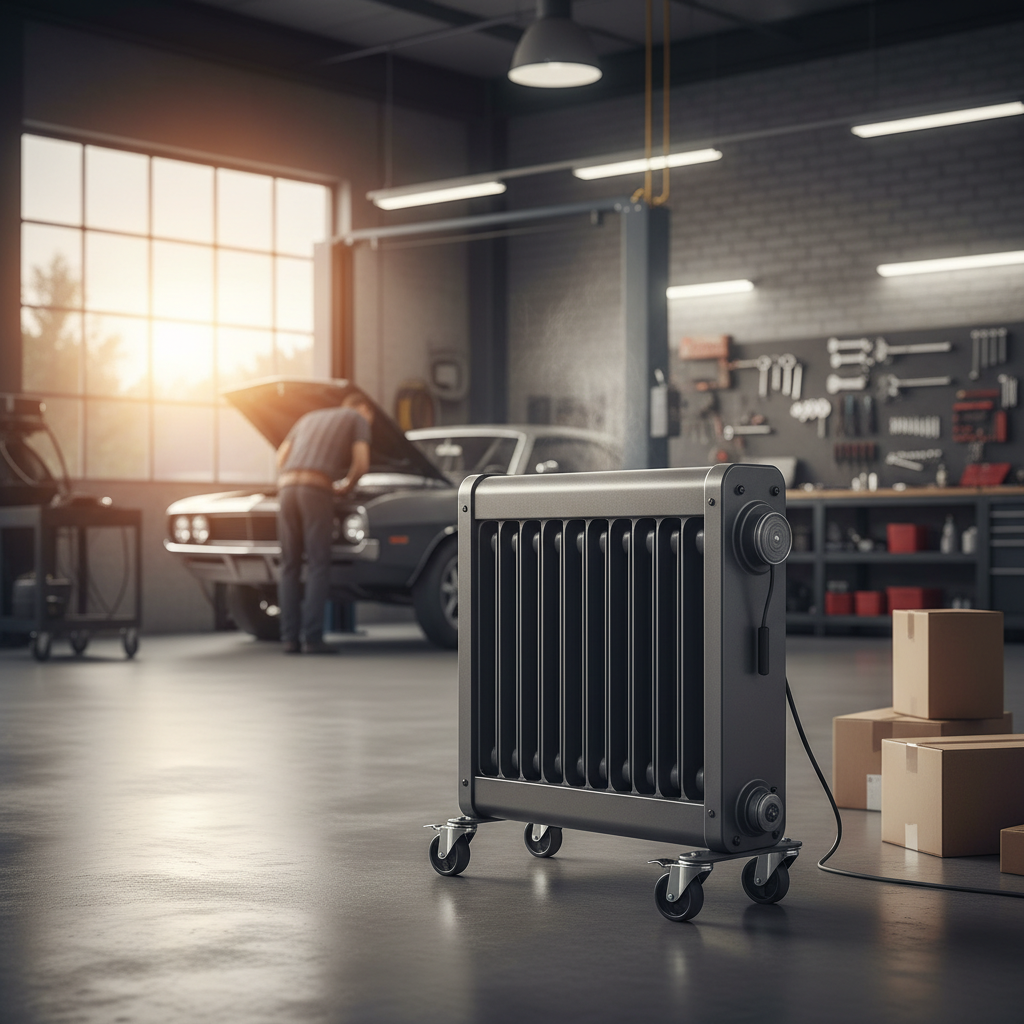
What Are Heavy Duty Commercial Oil Radiators?
At their core, oil-filled radiators operate on a straightforward, yet highly effective principle. They contain a diathermic oil, a special heat-transfer fluid, which is permanently sealed within the unit’s metal fins. An internal electric heating element warms this oil, which then circulates throughout the radiator’s columns. As the oil heats, it transfers thermal energy to the metal surface through convection. This warmed surface then radiates heat into the room and simultaneously heats the surrounding air, which rises and circulates through convection. The result is a consistent, gentle warmth that permeates the space effectively.
What elevates a standard oil radiator to “heavy duty commercial” status is its construction and capability. These units are engineered for environments far more demanding than a typical living room. They feature robust casings, often with steel fins, designed to endure bumps, frequent movement, and prolonged operation. While residential units prioritize aesthetics and occasional use, commercial models emphasize unwavering performance, enhanced safety mechanisms, and superior durability, ensuring reliable heat output in challenging conditions.
The advantages of choosing oil-filled radiators for commercial use are significant. They are remarkably energy-efficient because the heated oil retains warmth for an extended period, continuing to emit heat even after the power is switched off. Their operation is virtually silent, a distinct benefit in offices or workshops where noise is a concern. Unlike forced-air heaters, they don’t circulate dust or excessively dry out the air, leading to a more comfortable indoor climate. Furthermore, their surface temperature is generally lower than other heater types, making them a safer option in busy work zones. However, they do take longer to reach optimal heat compared to fan heaters, and larger units can be bulky, requiring sturdy portability features.
Types and Key Characteristics of Commercial Oil Radiators
When considering a heavy duty commercial oil radiator, understanding its key characteristics is vital for matching the right unit to your specific needs. These specialized heaters are defined by their capacity, construction, and control features.
Power Output and Heating Capacity
|
Our Picks for the Best Oil filled radiator in 2026
As an Amazon Associate I earn from qualifying purchases.
|
||
| Num | Product | Action |
|---|---|---|
| 1 | Amazon Basics Portable Oil Space Heater with Remote Control, 7 Oil-Filled Fins, Adjustable Thermostat, 3 Heat Settings, Tip-Over and Overheat Protection, ETL Safety Certificate, 1500W, Black |

|
| 2 | Pelonis Oil Filled Radiator Heater for Large Space, 2025 Upgraded, Space Heaters with 1500W Quiet Warmth Radiant Heater, 3 Heating Modes, Overheat & Tip-Over Protection, Adjustable Thermostat, Black |
|
| 3 | Pelonis Oil Filled Radiator Heater for Large Space, 2025 Upgraded, Space Heaters with 1500W Quiet Warmth Radiant Heater, 3 Heating Modes, Overheat & Tip-Over Protection, Adjustable Thermostat, White |
|
| 4 | PELONIS Radiator Heater for Large Space, Electric Oil Filled Radiator, Dual Knobs, 1500W, Quiet Space Heater, 3 Modes, Tip-over Protection |
|
| 5 | PELONIS Radiator Heater for indoor use Large Room with Remote, Thermostat & LED Display, Quiet Oil Filled Heater with 5 Temperature Settings, Overheat & Tip-Over Protection, Silver |
|
| 6 | Amazon Basics Portable Oil Radiator Heater, Indoor Use, 3 Heat Settings, Over-Heat Protection, ETL-certified Safety, 7 Oil-Filled Steel Fins, 1500W, Tip-Over Protection, 11"D x 14.8"W x 25.2"H, White |
|
| 7 | DREO Oil Filled Radiator, Electric Radiant Heaters for indoor use Large Room with Remote Control, Child Lock, 4 Modes, Overheat & Tip-Over Protection, 24h Timer, Digital Thermostat, Quiet, 1500W |
|
| 8 | PELONIS Radiator Heater for Large Space, Electric Oil Filled Radiator, Dual Knobs, 1500W, Quiet Space Heater, 3 Modes, Tip-over Protection |
|
| 9 | PELONIS Oil Filled Radiator, Electric Space Heater for Indoor Use Large Room with Thermostat & Remote, 3 Modes & 3 Heat Settings, ECO Mode, 24H Timer, Quiet, Overheat & Tip-Over Protection, 1500W |
|
| 10 | Amazon Basics Portable Oil Space Heater with 7 Oil-Filled Fins, 3 Heat Settings, Adjustable Thermostat, Tip-Over and Overheat Protection, ETL Safety Certificate, 1500W, Black |
|
For commercial environments, power output is paramount. While many residential models top out at 1500 watts, some heavy duty units might offer slightly more or be designed for more efficient heat distribution within that wattage, tailored for larger, more open spaces. A general guideline suggests approximately 70-75 watts of heating power per square meter of floor space for an average insulated commercial building in a moderately cold climate. Therefore, a 1500W unit can comfortably heat up to 1000 square feet under optimal conditions. Understanding the BTU (British Thermal Unit) equivalent can also be helpful; 1500 watts typically translate to around 5,120 BTUs, which is a significant heating capacity for targeted commercial areas. Always assess the actual dimensions and insulation quality of your space, as drafty areas or very high ceilings will require more power.
Durability and Construction
The “heavy duty” aspect is most evident in the physical build of commercial oil radiators. These are not flimsy, lightweight heaters. They typically feature robust metal casings, often reinforced with steel fins, designed to resist dents, scratches, and general wear and tear inherent in industrial or commercial settings. Crucially, they are equipped with reinforced castor wheels that can smoothly traverse uneven floors and sturdy, ergonomic carrying handles, allowing for safe and frequent relocation across a large workspace. Integrated cord storage is another practical feature, preventing trip hazards and ensuring tidy storage. This enhanced construction ensures longevity and reliability, minimizing downtime due to equipment damage.
Advanced Features for Commercial Use
Modern heavy duty commercial oil radiators come packed with advanced features that boost efficiency, safety, and user convenience. Precise electronic thermostats are a standard upgrade over older bimetallic versions, providing accurate temperature regulation and maintaining consistent warmth, which is crucial for comfort and energy management. Multiple heat settings offer flexibility, allowing users to select the optimal power level for different needs or ambient conditions. Programmable 24-hour timers are invaluable for commercial operations, enabling scheduled heating during working hours and energy savings overnight or on weekends. Many units also include remote control functionality, allowing adjustments from a distance, which is particularly useful in large spaces. Furthermore, energy-saving modes, such as “ComfortTemp” or “Energy Smart” technology, automatically adjust power consumption to maintain a desired temperature while minimizing electricity usage, directly impacting operational costs.
Top Heavy Duty Commercial Oil Radiator Models Compared
Choosing the right heavy-duty commercial oil radiator involves evaluating models based on their power, features, and suitability for specific commercial applications. Here’s a comparison of some notable options that stand out for their robust design and heating capabilities, often praised for performance in larger or more demanding environments.
| Brand | Model | Power (W) | Key Features | Coverage Area (Approx.) | Ideal Application |
|---|---|---|---|---|---|
| De’Longhi | Dragon4 (TRD40615E) | 1500 | Chimney effect for faster heat, digital controls, 24hr timer, safety features. | 250 sq ft | Large offices, residential basements, workshops |
| Honeywell | HZ-789 EnergySmart | 1500 | EnergySmart tech, digital thermostat, tip-over/overheat protection, quiet. | 200-250 sq ft | Office spaces, garages, rooms prioritizing efficiency |
| Pelonis | NY1507-14A | 1500 | 3 heat settings, 5 temperature options, tip-over/overheat safety, compact. | 200 sq ft | Small workshops, offices, utility rooms, portability |
| Comfort Zone | CZ70007J (Industrial) | 1500 | 3 heat settings, adjustable thermostat, tip-over/overheat safety, swivel wheels, cord storage. | 1000 sq ft | Garages, workshops, larger commercial spaces |
| Dr Infrared Heater | DR-968 | 1500 | Advanced Dual Heating System, remote control, 12hr timer, tip-over/overheat protection. | 250-300 sq ft | Workshops, garages, spaces needing rapid yet consistent heat |
- De’Longhi Dragon4: While often seen in residential contexts, its rapid heating capability and robust build make it a strong contender for professional home offices or smaller commercial zones requiring fast, efficient warmth. Its “chimney effect” design promotes quicker air circulation.
- Honeywell HZ-789 EnergySmart: This model emphasizes efficiency and safety, crucial for any commercial setting where operational costs and employee well-being are priorities. Its EnergySmart technology intelligently manages power consumption.
- Pelonis NY1507-14A: A good balance of affordability and portability. While perhaps not the “heaviest duty,” its reliability and safety features make it suitable for smaller commercial applications or as supplementary heating.
- Comfort Zone Industrial Models: These are explicitly marketed for industrial room-to-room heating. Their robust design, safety features, and focus on practical mobility (like 360° swivel wheels) align perfectly with heavy-duty commercial requirements, notably for its wide coverage area for a 1500W unit.
- Dr Infrared Heater DR-968: With its “Advanced Dual Heating System,” it aims to provide both radiant and convection heat efficiently, making it effective for workshops or garages where quick and sustained warmth is desired.
The best choice depends heavily on the specific demands of your commercial space. Consider the required heating area, the level of ruggedness needed, and the importance of smart features.
Essential Buying Guide for Commercial Oil Radiators
Selecting the perfect heavy duty commercial oil radiator requires a thoughtful evaluation of your unique needs and the features that best serve a demanding environment. Investing wisely ensures both comfort and cost-efficiency.
Assess Your Commercial Space
Begin by thoroughly understanding the characteristics of the area you intend to heat. Measure the room’s dimensions (length, width, and ceiling height) to accurately calculate the square footage. Critically assess the insulation quality: a poorly insulated workshop with high ceilings and frequent door openings will require a significantly more powerful heater than a well-sealed office space of the same size. Consider any existing draftiness, as this can severely impact heating efficiency. The specific environment is also key: a bustling warehouse requires more rugged construction and enhanced safety features than a quiet executive office. For example, a radiator for a construction site might need superior impact resistance and portability.
Prioritize Safety Features
In any commercial setting, safety is non-negotiable. Look for models equipped with comprehensive safety mechanisms. Overheat protection is paramount; this feature automatically shuts off the unit if internal temperatures become dangerously high. A tip-over safety switch, which deactivates the heater if it’s accidentally knocked over, is equally critical in busy or dynamic workspaces. Given the potential for incidental contact, a cool-touch exterior is highly desirable, preventing burns if the unit is touched during operation. Always verify that the radiator holds relevant safety certifications such as ETL or UL approval, indicating it meets stringent safety standards for commercial use.
Evaluate Portability and Ergonomics
Commercial spaces often demand flexibility in heating. Therefore, the ease with which a radiator can be moved is a vital consideration. Heavy duty units should be outfitted with sturdy, smooth-gliding castor wheels, ideally 360° swivel wheels, that can navigate various floor surfaces without resistance. Robust, ergonomically designed carrying handles are essential for lifting or maneuvering the unit over obstacles. An integrated cord storage compartment is a valuable ergonomic feature, preventing tripping hazards and simplifying storage when the unit is not in use or needs to be relocated. These elements contribute significantly to operational convenience and safety in a commercial setting.
Smart Controls and Energy Efficiency
Modern commercial oil radiators offer sophisticated control options that enhance both user convenience and energy savings. A highly accurate electronic thermostat is a must-have, allowing precise temperature management to avoid overheating or underheating, thereby optimizing comfort and reducing electricity consumption. Programmable timers, particularly 24-hour schedules, enable you to set specific heating periods, aligning with operational hours and ensuring energy isn’t wasted heating an empty space. Features like “eco” modes, “ComfortTemp,” or “Energy Smart” technology automatically adjust wattage to maintain a set temperature efficiently, leading to noticeable reductions in heating costs over time. Remote control functionality also adds convenience for adjusting settings in larger rooms or areas that are not easily accessible.
Brand Reputation and Warranty
For commercial equipment, reliability is paramount. Choose reputable brands known for manufacturing durable and dependable heating solutions. Research customer reviews, particularly those from other commercial users, to gauge long-term performance and satisfaction. A strong manufacturer’s warranty indicates the company’s confidence in its product’s quality and provides peace of mind, protecting your investment against potential defects or premature failure. Opting for established brands often means better access to customer support and replacement parts, ensuring your heating solution remains operational for years to come.
Safe Operation and Maintenance for Longevity
Ensuring the safe and efficient operation of your heavy duty commercial oil radiator is key to its longevity and to maintaining a safe work environment. Proper setup and routine care can significantly extend the life of your unit and maximize its heating performance.
Setup and Initial Use
Upon unboxing, place your oil radiator on a stable, level surface. It’s crucial to maintain adequate clearance from walls, furniture, curtains, and any flammable materials to prevent fire hazards. Manufacturers typically recommend at least 3 feet of clear space around the unit. While oil-filled radiators do not produce exhaust, proper ventilation is still beneficial, especially in tightly sealed commercial spaces, to maintain overall air quality. Before initial use, wipe down the exterior to remove any dust accumulated during shipping. Plug the unit directly into a wall outlet; avoid using extension cords, as they can overload and pose a fire risk, especially with high-wattage commercial heaters. Allow the radiator to run for a short period on its highest setting during its first use to burn off any manufacturing residues, which might produce a faint, temporary odor.
Day-to-Day Operation Tips
To optimize performance, consistently utilize the thermostat and programmable timer functions. Setting the thermostat to your desired temperature, rather than continuously running the heater on its highest setting, allows the unit to cycle on and off, conserving energy and maintaining stable warmth. Programming the heater to activate only during business hours or before shifts begin ensures the space is warm when needed and energy isn’t wasted during unoccupied periods. Crucially, never cover the radiator with clothes, towels, or any other material, as this can restrict airflow, cause the unit to overheat, and create a severe fire hazard. Always ensure the air vents and fins are unobstructed. Regularly check the power cord for any signs of damage or fraying, and discontinue use if any issues are detected.
Cleaning and Storage
Routine cleaning is minimal but important for maintaining efficiency. Dust and debris can accumulate on the fins and vents, hindering heat transfer. Regularly dust the exterior of the radiator with a soft, dry cloth or use a vacuum cleaner with a brush attachment to remove dust from between the fins. Ensure the unit is unplugged and completely cool before cleaning. Avoid using abrasive cleaners or solvents, which can damage the finish. Before storing the radiator during warmer months, perform a thorough cleaning. If your unit has an integrated cord storage compartment, utilize it to protect the power cord. Store the radiator in a dry, safe place where it won’t be exposed to extreme temperatures or potential physical damage, ensuring it’s ready for efficient operation when the cold weather returns.
Troubleshooting Common Issues
Even the most robust heavy duty commercial oil radiators can encounter minor hiccups. Knowing how to diagnose and address common problems can save time and prevent unnecessary service calls.
One frequent issue is the radiator not heating up at all. First, check the power connection: ensure the unit is securely plugged into a functioning electrical outlet and that the circuit breaker hasn’t tripped. If equipped with a master power switch, confirm it’s in the “on” position. Next, verify the thermostat settings; if the ambient room temperature is higher than the set temperature, the heater will not activate. Ensure the heat setting is appropriately selected. Many units also have a tip-over switch and overheat protection; if the heater was moved or jostled, or if it overheated due to being covered, these safety features might have engaged, causing it to shut off. Unplug the unit, let it cool down, and then reset it.
Another common concern is unusual noises. While oil-filled radiators are generally silent, a faint crackling or popping sound, especially when first heating up or cooling down, is usually normal. This is typically due to the expansion and contraction of the metal components as they heat and cool. However, if you hear loud rattling, grinding, or buzzing noises, it could indicate a loose internal component or an issue with the heating element. In such cases, immediately unplug the unit and discontinue use.
If the radiator is not heating as effectively as it should, despite being on, ensure the room size is appropriate for the unit’s wattage and that there are no drafts or open windows compromising its efficiency. Also, check for any obstructions around the fins that might be impeding heat dissipation.
When facing persistent problems—such as the unit continuously tripping circuit breakers, emitting smoke or burning odors, or producing unusual loud noises—it is crucial to stop using the radiator immediately. Do not attempt to repair complex internal issues yourself. At this point, it’s time to call a qualified electrician or contact the manufacturer’s customer service for professional repair or replacement. Prioritizing safety over DIY fixes is always the best approach for electrical appliances, especially heavy-duty commercial equipment.
Conclusion
Choosing the right heavy duty commercial oil radiator is an investment in consistent comfort, energy efficiency, and a safer workspace. These robust units stand apart for their silent operation, sustained warmth, and durable construction, making them an ideal choice for challenging commercial and industrial environments. By carefully considering factors such as power output, essential safety features, advanced controls, and overall build quality, you can select a radiator that perfectly aligns with your operational demands. Proper usage and routine maintenance will ensure your chosen unit provides reliable, long-lasting warmth, contributing significantly to a productive and comfortable commercial setting. Are you ready to elevate the heating standard in your commercial space?
Câu Hỏi Thường Gặp
Are oil-filled radiators suitable for very large industrial spaces?
While highly effective for large offices, workshops, and garages up to 1000 square feet, oil-filled radiators might not be the sole solution for extremely vast, open industrial spaces like large warehouses. For such massive areas, a combination of zone heating with oil radiators and supplementary industrial-grade heaters (e.g., propane or larger forced-air electric units) might be more effective.
How long do they take to heat up a commercial room?
Oil-filled radiators typically take longer to reach their peak heating output compared to fan-based heaters, often 15-30 minutes, because they rely on heating the internal oil first. However, once heated, they retain warmth exceptionally well and provide a more consistent, long-lasting heat, reducing temperature fluctuations in a commercial room.
Are they expensive to run in a commercial setting?
Heavy duty commercial oil radiators are generally considered energy-efficient for sustained heating due to their ability to retain heat and their precise thermostat controls. While the initial warm-up consumes power, their efficiency over time, especially with programmable timers and eco-modes, often makes them a cost-effective choice for consistent warmth in defined commercial zones.
What’s the typical lifespan of a heavy-duty model?
With proper care, a high-quality heavy duty commercial oil radiator can last significantly longer than standard residential models, often 10-15 years or more. Their robust construction and sealed oil system mean fewer moving parts and minimal wear, contributing to an extended operational lifespan in demanding environments.
Can they be left unattended?
Yes, oil-filled radiators are generally considered safe to leave unattended, especially models equipped with modern safety features like overheat protection and tip-over switches. However, it’s always recommended to ensure they are placed on a stable surface, away from flammable materials, and that their cords are undamaged, particularly in a commercial setting where activity levels can vary.