The quest for drying clothes indoors, especially during colder months or in homes without tumble dryers, often leads to considering readily available heat sources like oil-filled radiators. While these appliances are celebrated for their consistent, gentle warmth, directly draping wet laundry over them is a common practice fraught with risks. This article delves into why drying clothes directly on oil-filled radiators is not advisable and, more importantly, provides expert guidance on how to safely and efficiently dry your garments indoors, leveraging the warmth of your oil-filled radiator without compromising safety or energy efficiency.
What Are Oil-Filled Radiators and How Do They Work?
Oil-filled radiators are popular electric heaters designed to provide steady, ambient heat to a room. Unlike fan heaters that blow hot air, oil-filled radiators work by heating a reservoir of diathermic oil contained within a sealed unit. An electric element heats this oil, which then circulates through the radiator’s fins, transferring heat to the surrounding air through convection and radiation.
This design results in several advantages: they provide consistent and long-lasting warmth, even after being switched off, thanks to the oil’s heat retention properties. They operate silently, without fans, making them ideal for bedrooms and living spaces. Modern oil-filled radiators are also equipped with crucial safety features like adjustable thermostats, overheat protection, and tip-over switches, ensuring they operate within safe temperature limits and automatically shut off if accidentally knocked over or if internal temperatures rise too high. However, it’s essential to understand that while these features make them generally safe for heating, they are not designed for direct contact with damp laundry.
The Risks of Drying Clothes Directly on Oil-Filled Radiators
Despite their appealing warmth, using oil-filled radiators as a direct clothes drying rack carries significant dangers and inefficiencies that every homeowner should be aware of.
Fire Hazards
|
Our Picks for the Best Oil filled radiator in 2026
As an Amazon Associate I earn from qualifying purchases.
|
||
| Num | Product | Action |
|---|---|---|
| 1 | Amazon Basics Portable Oil Radiator Heater, Indoor Use, 3 Heat Settings, Over-Heat Protection, ETL-certified Safety, 7 Oil-Filled Steel Fins, 1500W, Tip-Over Protection, 11"D x 14.8"W x 25.2"H, White |

|
| 2 | Amazon Basics Portable Oil Space Heater with 7 Oil-Filled Fins, 3 Heat Settings, Adjustable Thermostat, Tip-Over and Overheat Protection, ETL Safety Certificate, 1500W, Black |
|
| 3 | PELONIS Radiator Heater for indoor use Large Room with Remote, Thermostat & LED Display, Quiet Oil Filled Heater with 5 Temperature Settings, Overheat & Tip-Over Protection, Silver |
|
| 4 | PELONIS Radiator Heater for Large Space, Electric Oil Filled Radiator, Dual Knobs, 1500W, Quiet Space Heater, 3 Modes, Tip-over Protection |
|
| 5 | PELONIS Radiator Heater for Large Space, Electric Oil Filled Radiator, Dual Knobs, 1500W, Quiet Space Heater, 3 Modes, Tip-over Protection |
|
| 6 | Pelonis Oil Filled Radiator Heater for Large Space, 2025 Upgraded, Space Heaters with 1500W Quiet Warmth Radiant Heater, 3 Heating Modes, Overheat & Tip-Over Protection, Adjustable Thermostat, White |
|
| 7 | PELONIS Oil Filled Radiator, Electric Space Heater for Indoor Use Large Room with Thermostat & Remote, 3 Modes & 3 Heat Settings, ECO Mode, 24H Timer, Quiet, Overheat & Tip-Over Protection, 1500W |
|
| 8 | Amazon Basics Portable Oil Space Heater with Remote Control, 7 Oil-Filled Fins, Adjustable Thermostat, 3 Heat Settings, Tip-Over and Overheat Protection, ETL Safety Certificate, 1500W, Black |
|
| 9 | DREO Oil Filled Radiator, Electric Radiant Heaters for indoor use Large Room with Remote Control, Child Lock, 4 Modes, Overheat & Tip-Over Protection, 24h Timer, Digital Thermostat, Quiet, 1500W |
|
| 10 | Pelonis Oil Filled Radiator Heater for Large Space, 2025 Upgraded, Space Heaters with 1500W Quiet Warmth Radiant Heater, 3 Heating Modes, Overheat & Tip-Over Protection, Adjustable Thermostat, Black |
|
One of the most immediate and severe risks is the potential for fire. Draping fabrics, especially synthetic materials, directly over a hot radiator can cause them to overheat. While oil-filled radiators generally have lower surface temperatures than some other heater types, sustained direct contact can still ignite certain fabrics, leading to a rapidly spreading house fire. Covering the radiator also restricts its natural heat dissipation, forcing the internal components to work harder and potentially overheat.
Reduced Heating Efficiency and Increased Costs
When clothes cover an oil-filled radiator, they effectively create an insulating barrier. This prevents the heat generated by the appliance from efficiently radiating into the room. As a result, the radiator struggles to reach and maintain the desired room temperature, causing it to operate for longer periods or at higher settings. This not only makes your home less warm but also significantly increases electricity consumption, leading to higher energy bills.
Health Concerns: Mould, Condensation, and Air Quality
Drying wet clothes indoors releases a considerable amount of moisture into the air. When this moisture is trapped in a poorly ventilated space, it rapidly increases indoor humidity levels. This humid environment is an ideal breeding ground for mould and mildew, which can appear on walls, ceilings, and even furniture. Mould spores are known allergens and can exacerbate respiratory issues like asthma, bronchitis, and other allergies, posing a serious health risk, particularly for children, the elderly, and individuals with compromised immune systems. Increased humidity also leads to condensation on windows and cold surfaces, potentially causing structural damage over time.
Potential Damage to Radiator and Fabrics
Excess moisture from wet clothes can also have detrimental effects on the radiator itself. Over time, prolonged exposure to dampness can lead to rust and corrosion, compromising the radiator’s integrity and lifespan. Furthermore, delicate fabrics can be damaged by direct, sustained heat, potentially shrinking, discolouring, or losing their shape.
Safe and Effective Alternatives for Indoor Clothes Drying
Given the risks, it’s clear that direct drying on oil-filled radiators is a practice to avoid. Fortunately, several safe and effective alternatives allow you to harness indoor warmth for laundry without the hazards.
Utilizing Clothes Airers Near Radiators
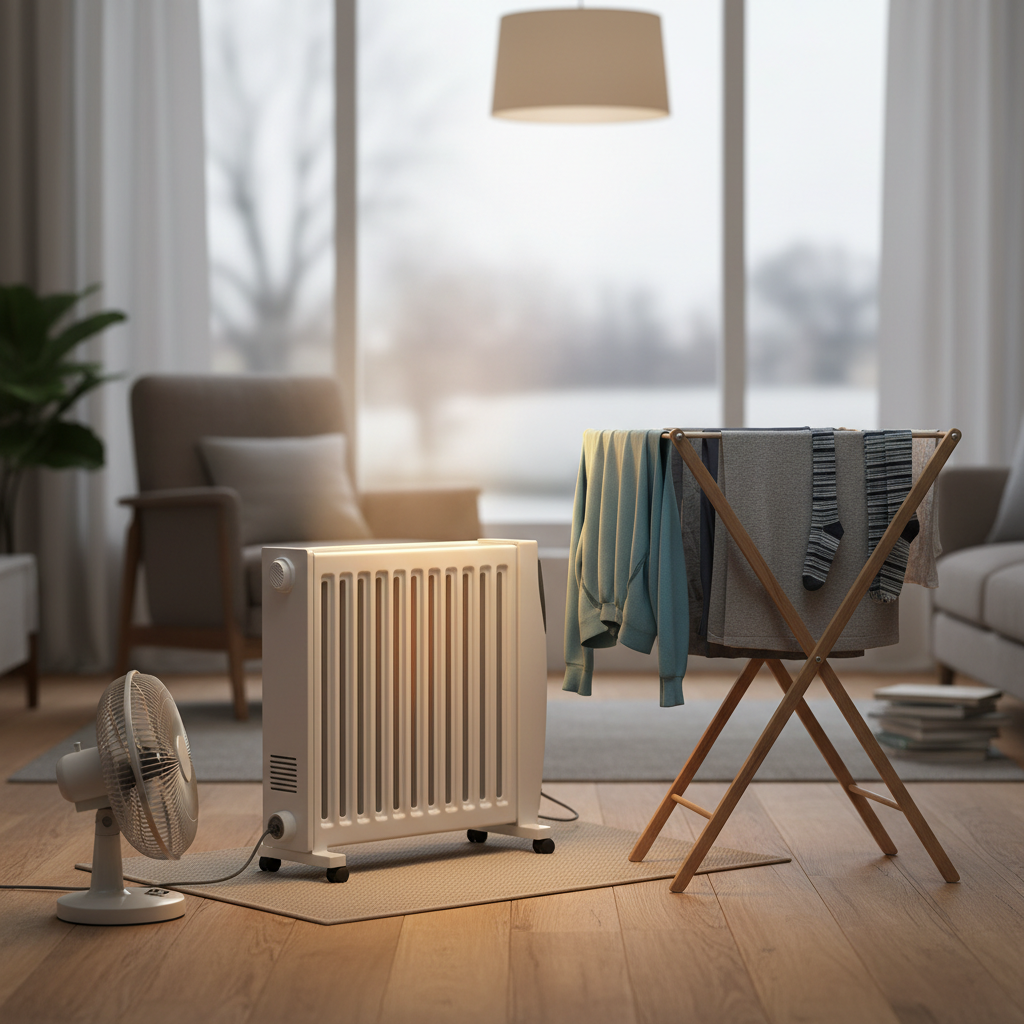
The simplest and most recommended method is to use a traditional clothes airer or drying rack positioned near your oil-filled radiator, but never directly on it. This setup allows the warm air from the radiator to circulate around your clothes, promoting evaporation and faster drying, while ensuring the radiator remains uncovered and operates efficiently. Maintain a safe distance, typically at least one foot (30 cm), to ensure adequate airflow and prevent any fire risk.
The Power of Dehumidifiers
For even faster and safer indoor drying, consider pairing your clothes airer with a dehumidifier. A dehumidifier actively removes excess moisture from the air, creating a drier environment where clothes can dry significantly quicker. This approach not only speeds up the drying process but also combats the health risks associated with high indoor humidity, such as mould growth and poor air quality. Placing the dehumidifier in the same room as your clothes airer and radiator will maximize its effectiveness.
Ensuring Proper Ventilation
Regardless of your chosen drying method, proper ventilation is crucial. When drying clothes indoors, always ensure the room is well-ventilated. This can be achieved by slightly opening a window, especially in the room where clothes are drying, or by utilizing extractor fans in bathrooms or kitchens. Good airflow helps to dissipate the moisture released by wet clothes, preventing condensation and mould build-up, and maintaining healthy indoor air quality.
Heated Towel Rails: A Dedicated Solution
For smaller items like towels, underwear, and socks, a heated towel rail, typically found in bathrooms, offers a dedicated and safer drying solution. These units are specifically designed to handle damp fabrics and are often situated in rooms with built-in ventilation. While they are generally safe for light loads, avoid overloading them, and ensure the room is still well-ventilated to prevent humidity issues.
Key Features of Safe and Efficient Oil-Filled Radiators
When choosing an oil-filled radiator for general home heating (which can indirectly support safe indoor drying), look for models with specific features that enhance safety and efficiency.
- Thermostatic Control: Allows you to set and maintain a desired room temperature, preventing overheating and saving energy.
- Overheat Protection: Automatically shuts off the unit if it detects an unsafe temperature, a crucial safety mechanism.
- Tip-Over Switch: Instantly cuts power if the radiator is accidentally knocked over, preventing fire hazards.
- Timer Functions: Enables you to program the radiator to turn on and off at specific times, optimizing energy use and ensuring warmth when needed.
- Multiple Heat Settings: Offers flexibility to adjust the heat output based on room size and comfort levels.
- Portability: Wheels or castors make it easy to move the radiator between rooms, providing heat wherever it’s most needed.
- Power Output (Wattage): Match the wattage to your room size for effective heating. Smaller rooms require less power (e.g., 800-1500W), while larger spaces may need 2000-2500W.
Recommended Oil-Filled Radiator Models for Home Heating
While no oil-filled radiator is “best” for drying clothes directly, several models excel at safely and efficiently heating your home, thereby creating a suitable environment for air-drying clothes on a separate rack. Here’s a comparison of some well-regarded models based on their general heating performance and features:
| Model | Power Output | Key Features | Ideal For |
|---|---|---|---|
| De’Longhi Dragon 4 | 2500W | Digital controls, eco-plus mode, silent, robust | Larger rooms (150-250 sq ft), consistent heat |
| Pro Breeze 2500W | 2500W | 11 fins, adjustable thermostat, 24hr timer, remote | Medium to large rooms (up to 300 sq ft) |
| VonHaus 6 Fin | 800W | Compact, lightweight, budget-friendly | Small rooms, portability, personal use |
| Dreo Oil-Filled Radiator | 1500-2000W | Digital controls, M-shaped fin design, remote, fast heating | Medium rooms, modern interface |
| Pelonis NY1507 | 1500W | Manual controls, overheat protection, affordable | Bedrooms, offices, small workshops |
(Note: These recommendations are for heating performance and general safety features, not for direct clothes drying.)
Best Practices for Using Oil-Filled Radiators for General Heating
To ensure the safe and efficient operation of your oil-filled radiator for heating purposes, which indirectly aids in providing warmth for safe indoor drying setups, adhere to these best practices:
- Proper Placement: Always place the radiator on a firm, flat surface and ensure it is at least one meter (about three feet) away from any flammable materials like curtains, bedding, or furniture.
- Avoid Covering: Never cover the radiator with anything, whether it’s clothes, towels, or furniture. This is crucial for both safety and efficient heat distribution.
- Regular Inspections: Periodically check the power cord, plug, and the unit itself for any signs of damage or wear. Do not use a damaged radiator.
- Use Thermostat and Timer: Utilize the thermostat to set your desired temperature and the timer function to heat rooms only when necessary. This saves energy and prevents continuous operation.
- Good Ventilation: While not directly related to radiator operation, maintaining good room ventilation helps with overall air quality, especially when using any indoor heating appliance, and is vital if you are drying clothes on a separate airer.
Conclusion
While the convenience of drying clothes directly on an oil-filled radiator might be tempting, the associated risks of fire, reduced heating efficiency, increased energy costs, and detrimental health effects like mould growth far outweigh any perceived benefits. Oil-filled radiators are excellent tools for providing safe, consistent, and quiet warmth to your home when used correctly for their intended purpose.
To safely and efficiently dry clothes indoors, always opt for safer alternatives such as using a clothes airer positioned a safe distance from your radiator, enhancing drying with a dehumidifier, and ensuring adequate room ventilation. By adopting these responsible practices, you can enjoy a warm, dry home and safely manage your laundry, ensuring both comfort and well-being. What are your preferred methods for tackling indoor laundry drying during colder seasons?
Frequently Asked Questions
Is it ever safe to dry clothes on an oil-filled radiator?
No, it is generally not safe to dry clothes directly on an oil-filled radiator. The practice poses fire hazards, reduces the radiator’s heating efficiency, increases energy consumption, and can lead to mould growth due to increased indoor humidity.
Can drying clothes on a radiator cause mould?
Yes, drying wet clothes on or near a radiator can significantly increase indoor humidity, creating ideal conditions for mould and mildew to thrive, especially in poorly ventilated spaces. This can worsen indoor air quality and trigger respiratory issues.
How can I speed up indoor clothes drying without using a tumble dryer?
You can speed up indoor clothes drying by using a clothes airer placed near an operating oil-filled radiator (but not on it), pairing it with a dehumidifier, and ensuring good ventilation in the room by opening a window or using an extractor fan.
Do oil-filled radiators dry out the air like other heaters?
Oil-filled radiators typically do not dry out the air as much as forced-air heaters because they produce radiant heat and do not use a fan. They provide a more gentle and consistent warmth, which can be beneficial for air quality.
What is the ideal distance to place a clothes airer from an oil-filled radiator?
It is recommended to place a clothes airer at least one foot (30 cm) away from an oil-filled radiator. This distance allows for proper air circulation around both the radiator and the clothes, ensuring safety and efficient drying.
