Have you ever wondered about the quiet, consistent warmth radiating from an oil-filled radiator and how it seems to work endlessly without a drop of oil ever needing replenishment? It’s a common question, and understanding the ingenious design behind these popular heaters can truly demystify their operation. Unlike an automobile engine that requires regular oil changes, the thermal oil in these radiators plays a fundamentally different role, ensuring a maintenance-free and efficient heating experience for your home.
What is an Oil-Filled Radiator?
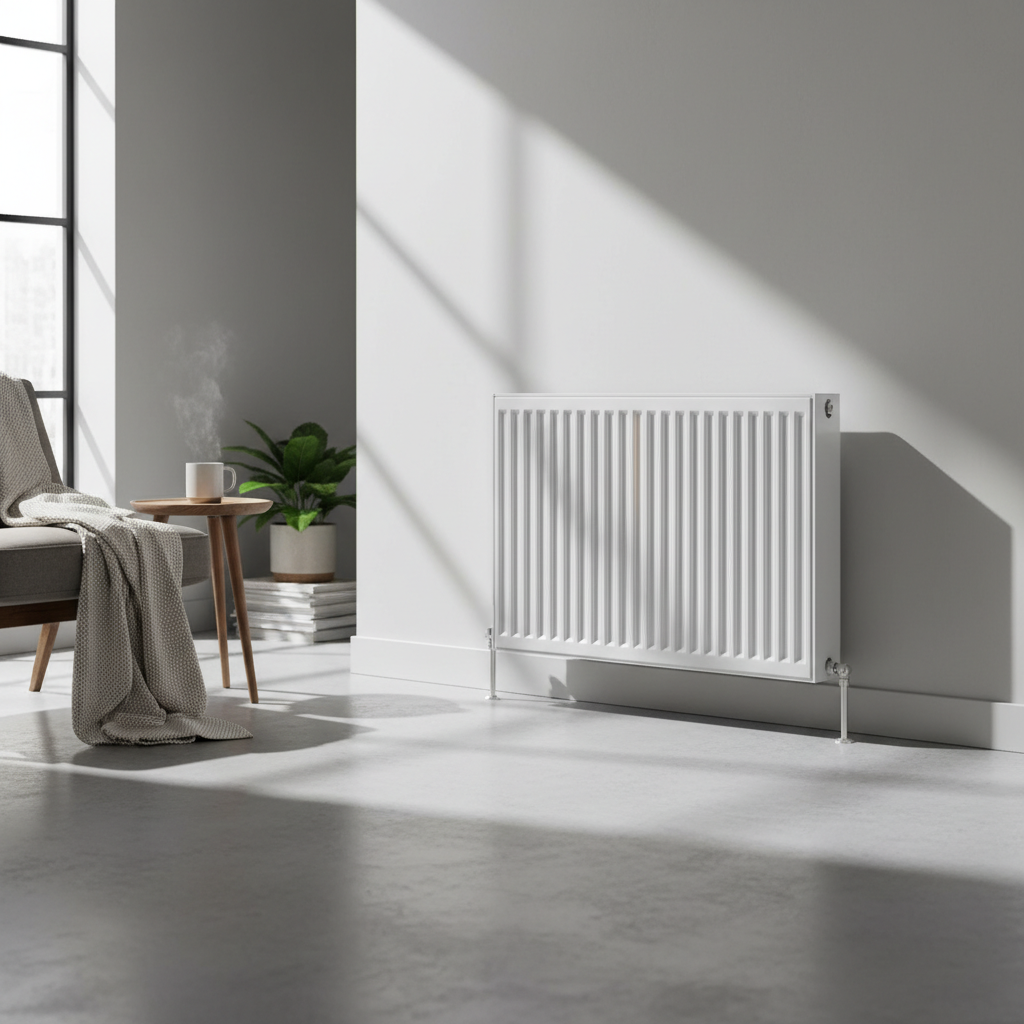
An oil-filled radiator is an electric heater distinguished by its sealed construction containing a special thermal oil. At its core, an electric heating element submerged within this oil warms it up. This heated oil then circulates silently through the radiator’s internal fins and channels via convection. As the warm oil moves, it transfers heat to the metal casing of the radiator, which in turn radiates comforting warmth into your room.
Crucially, these units operate independently, serving as self-contained heating solutions. This sets them apart from central heating systems that rely on an external boiler and extensive piping networks, and also from combustion heaters that burn fuel. Oil-filled radiators deliver a steady, ambient heat without the need for fans, making them a preferred choice for quiet spaces.
The Science Behind the Sealed System: Why No Refill?
The enduring, no-refill nature of thermal oil radiators is a testament to clever engineering and the unique properties of the components involved. There’s a fundamental scientific principle at play that eliminates any need for user intervention regarding the internal oil.
Non-Consumable Heat Medium
|
Our Picks for the Best Oil filled radiator in 2026
As an Amazon Associate I earn from qualifying purchases.
|
||
| Num | Product | Action |
|---|---|---|
| 1 | Amazon Basics Portable Oil Space Heater with 7 Oil-Filled Fins, 3 Heat Settings, Adjustable Thermostat, Tip-Over and Overheat Protection, ETL Safety Certificate, 1500W, Black |

|
| 2 | PELONIS Radiator Heater for Large Space, Electric Oil Filled Radiator, Dual Knobs, 1500W, Quiet Space Heater, 3 Modes, Tip-over Protection |
|
| 3 | Amazon Basics Portable Oil Radiator Heater, Indoor Use, 3 Heat Settings, Over-Heat Protection, ETL-certified Safety, 7 Oil-Filled Steel Fins, 1500W, Tip-Over Protection, 11"D x 14.8"W x 25.2"H, White |
|
| 4 | Pelonis Oil Filled Radiator Heater for Large Space, 2025 Upgraded, Space Heaters with 1500W Quiet Warmth Radiant Heater, 3 Heating Modes, Overheat & Tip-Over Protection, Adjustable Thermostat, Black |
|
| 5 | PELONIS Radiator Heater for indoor use Large Room with Remote, Thermostat & LED Display, Quiet Oil Filled Heater with 5 Temperature Settings, Overheat & Tip-Over Protection, Silver |
|
| 6 | PELONIS Oil Filled Radiator, Electric Space Heater for Indoor Use Large Room with Thermostat & Remote, 3 Modes & 3 Heat Settings, ECO Mode, 24H Timer, Quiet, Overheat & Tip-Over Protection, 1500W |
|
| 7 | Amazon Basics Portable Oil Space Heater with Remote Control, 7 Oil-Filled Fins, Adjustable Thermostat, 3 Heat Settings, Tip-Over and Overheat Protection, ETL Safety Certificate, 1500W, Black |
|
| 8 | PELONIS Radiator Heater for Large Space, Electric Oil Filled Radiator, Dual Knobs, 1500W, Quiet Space Heater, 3 Modes, Tip-over Protection |
|
| 9 | DREO Oil Filled Radiator, Electric Radiant Heaters for indoor use Large Room with Remote Control, Child Lock, 4 Modes, Overheat & Tip-Over Protection, 24h Timer, Digital Thermostat, Quiet, 1500W |
|
| 10 | Pelonis Oil Filled Radiator Heater for Large Space, 2025 Upgraded, Space Heaters with 1500W Quiet Warmth Radiant Heater, 3 Heating Modes, Overheat & Tip-Over Protection, Adjustable Thermostat, White |
|
The thermal oil within your radiator is not a fuel source that is burned or consumed. Instead, it serves as an exceptional heat reservoir and transfer medium. Its purpose is to efficiently absorb heat from the electric element, store it, and then gradually release it to the radiator’s surface. This thermodynamic oil is specifically formulated to withstand repeated heating and cooling cycles without significant degradation or alteration of its properties, acting purely as a conductor and storage unit for thermal energy.
The Sealed Environment
The key to its longevity and maintenance-free operation lies in the radiator’s hermetically sealed design. The internal system is completely enclosed, creating a secure environment where the oil cannot evaporate, leak under normal conditions, or become contaminated by external elements. This prevents any loss of fluid volume or changes in chemical composition that would necessitate refilling. The absence of exposure to air means there’s no oxidation or deterioration that would otherwise break down the oil over time.
Stable Chemical Composition
The thermal oil chosen for these radiators possesses a high boiling point and excellent thermal stability. This allows it to absorb and release heat without undergoing phase changes (like boiling into a gas) or significant chemical breakdown. Its consistent properties ensure efficient heat transfer year after year, guaranteeing that the radiator performs reliably throughout its lifespan without the need for additional fluid.
Key Advantages of the “No-Refill” Design
The ingenious “no-refill” design of thermal oil radiators offers a host of practical benefits that contribute to their popularity and efficiency in modern homes.
Zero Maintenance, Maximum Convenience
Perhaps the most apparent advantage is the unparalleled convenience. Once you own an oil-filled radiator, you never have to worry about checking oil levels, purchasing replacement oil, or scheduling maintenance for fluid top-ups. This plug-and-play simplicity makes them a truly hassle-free heating solution, allowing you to focus purely on enjoying the warmth.
Enhanced Safety Profile
Since there’s no combustion involved and the oil is safely sealed within the unit, oil-filled radiators offer a high degree of safety. There are no flames, exposed heating elements that can burn, or risks associated with handling or storing combustible fuels. Modern units are also typically equipped with safety features like overheat protection (automatically shutting off if temperatures get too high) and tip-over switches, further minimizing risks.
Long-Term Cost-Effectiveness
Without the need for consumable fluids, the long-term running costs of an oil-filled radiator are primarily limited to electricity consumption. This absence of recurring expenses for oil replenishment, coupled with their durable construction, contributes to their overall cost-effectiveness over many years of service. Their ability to retain heat and slowly release it even after being switched off also aids in energy efficiency, reducing continuous electricity draw.
Consistent and Efficient Heating
The sealed system ensures that the thermal oil maintains its heat transfer properties consistently throughout the life of the product. This translates into reliable and stable heat output. The oil’s capacity to retain warmth means rooms stay comfortable for longer, even after the power cycles off, providing a steady, gentle heat that avoids the sudden temperature fluctuations often associated with other heater types.
Debunking Common Myths About Oil-Filled Radiators
Given their unique operation, several misconceptions about oil-filled radiators often arise. Let’s set the record straight on a few common myths.
- Myth 1: The oil burns or is consumed. This is incorrect. The oil is a medium for heat transfer, not a fuel. It circulates and is reheated but never combusts or diminishes in volume through burning.
- Myth 2: The oil needs periodic topping up like a car engine. Absolutely false. Unlike engine oil, which lubricates moving parts and can degrade, the thermal oil in a radiator is in a closed system and doesn’t face the same stresses or consumption mechanisms. It’s a permanent fixture.
- Myth 3: If the radiator leaks, the oil just needs replacement. A leak is not an indication that the oil is “used up” or needs replacing. Instead, a leak signifies damage to the sealed unit itself. It’s a structural defect, not a routine maintenance requirement, and needs professional attention or replacement of the unit.
What If My Oil-Filled Radiator Leaks?
While oil-filled radiators are designed to be extremely durable and leak-proof under normal operation, mechanical damage or manufacturing defects can rarely lead to a leak. If you discover oil leaking from your unit, it is crucial to understand what this signifies and how to react.
A leak means the sealed integrity of the radiator has been compromised. This is a fault with the unit, not a signal that the oil needs refilling. The oil is designed to remain permanently enclosed. If a leak occurs, the radiator may no longer function safely or efficiently, as the heat transfer medium is escaping, and its internal pressure balance could be affected.
Action to take:
- Immediately unplug the radiator from the power source to prevent any electrical hazards.
- Do not attempt to repair or refill the unit yourself. Handling the internal oil or trying to seal the leak without proper expertise can be dangerous and void warranties.
- Contact the manufacturer or a qualified technician for advice. In most cases, a leaking oil-filled radiator is considered damaged beyond economical repair and will need to be replaced. Never try to operate a leaking unit.
Conclusion
The enduring appeal of oil-filled radiators lies in their remarkable simplicity and efficiency, largely thanks to their maintenance-free, sealed thermal oil system. This design principle ensures that the thermal oil acts as a perpetual heat reservoir, circulating warmth without ever needing replenishment. By understanding that the oil is a heat transfer medium, not a consumable fuel, you can appreciate the long-term reliability, safety, and cost-effectiveness these heaters bring. Embrace the silent, steady warmth and the peace of mind that comes with a heating solution designed for lasting performance.
Frequently Asked Questions
Do oil-filled radiators use a lot of electricity?
Oil-filled radiators are generally considered energy-efficient, especially for spot heating. While they draw power when heating up, their thermal oil retains heat for extended periods, reducing the need for continuous electricity draw. This allows them to cycle on and off less frequently, leading to lower overall energy consumption compared to some other electric heaters.
Are oil-filled radiators safe to leave on overnight?
Yes, modern oil-filled radiators are designed with safety features like thermal cut-out protection and tip-over switches, making them generally safe to leave on overnight. Always ensure the unit is placed on a stable surface, away from flammable materials, and never covered, to ensure safe operation.
How long do oil-filled radiators last?
With proper care and normal use, a well-built oil-filled radiator can last for many years, often between 10 to 15 years, or even longer. Their robust, sealed construction and lack of moving parts contribute significantly to their durability and extended lifespan.
Can I move an oil-filled radiator while it’s hot?
It is generally recommended to allow an oil-filled radiator to cool down before moving it. While many models come with wheels for easy repositioning, the surface of the radiator can be very hot, posing a burn risk. Always use the designated handle (if present) and exercise caution.
