Choosing the right heater for your home can feel overwhelming, with countless options promising efficient and cozy warmth. Among the most popular electric heating solutions are oil heaters and infrared heaters, each offering distinct advantages depending on your specific needs. Are you seeking sustained, gentle warmth that permeates an entire room, or do you prefer instant, targeted heat that warms you directly? Understanding the fundamental differences between these two technologies is crucial to making an informed decision that perfectly aligns with your lifestyle and heating goals. This comprehensive guide will explore the mechanics, benefits, drawbacks, and ideal applications of both oil heaters and infrared heaters, helping you determine which one will deliver optimal comfort and efficiency in your living space.

Understanding Oil Heaters: How Do They Work?
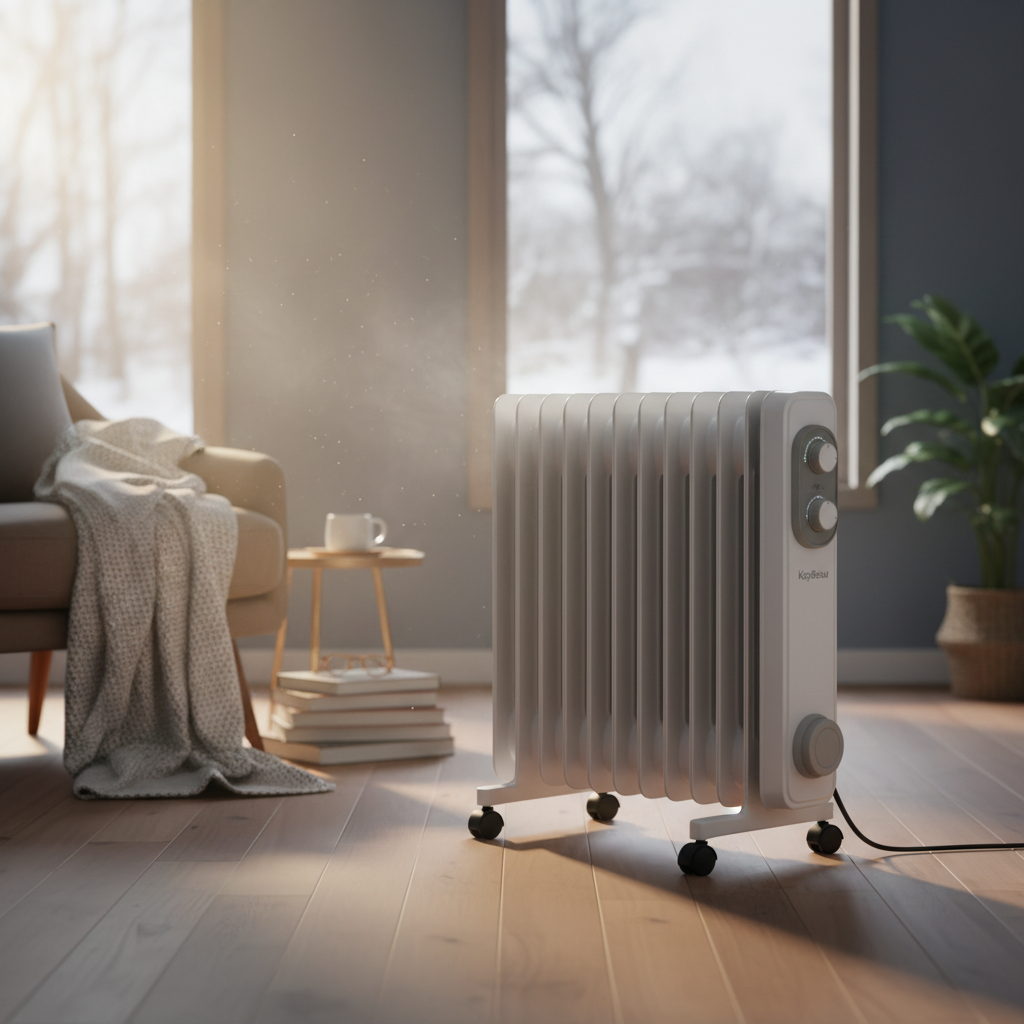
Oil heaters, often referred to as oil-filled radiators, are a classic choice for supplemental heating. Despite their name, the oil within these units is not burned as fuel; instead, it acts as a permanent heat reservoir. An electric heating element submerged in diathermic oil warms the oil, which then heats the metal fins of the radiator. The warmth from these fins is subsequently released into the room through a combination of convection and radiation.
- Convection: The warm air surrounding the fins rises, circulates, and then cools, sinking to be reheated, creating a continuous flow that gradually warms the entire room.
- Radiation: The heated surface of the radiator also emits radiant heat directly to objects and people in its line of sight, though this is less pronounced than with an infrared heater.
The key advantage of the oil is its high specific heat capacity, meaning it retains heat exceptionally well. Once the oil reaches its operating temperature, the heater can be turned off, and the residual heat in the oil will continue to warm the room for a significant period. This makes them excellent for maintaining a consistent, ambient temperature without constant energy draw.
Pros and Cons of Oil Heaters
Pros:
- Silent Operation: With no fans or moving parts, oil heaters operate almost silently, making them ideal for bedrooms and quiet spaces.
- Sustained, Ambient Heat: They provide a gentle, consistent warmth that heats the air evenly throughout a room, creating a cozy atmosphere.
- Heat Retention: The warmed oil retains heat for a long time, offering residual warmth even after the unit is switched off, contributing to energy efficiency over time.
- Safety: Most models feature overheat protection and tip-over switches, and their surface temperatures are generally lower than many other heater types, reducing burn risk.
- No Dry Air: Since they don’t burn oxygen or circulate air, they don’t typically dry out the air or stir up dust and allergens.
Cons:
- Slow Warm-Up: It takes a considerable amount of time for the oil to heat up and for the room to feel the full effect, making them less suitable for immediate warmth.
- Heavy and Less Portable: The sealed oil reservoir makes these units quite heavy, limiting their portability despite often having wheels.
- Less Directional: The heat spreads gradually throughout the room, meaning you won’t feel a direct blast of warmth like with other heater types.
- Initial Energy Consumption: They draw significant power during the initial heating phase to warm the oil, though they are efficient at maintaining temperature.
|
Our Picks for the Best Oil filled radiator in 2026
As an Amazon Associate I earn from qualifying purchases.
|
||
| Num | Product | Action |
|---|---|---|
| 1 | Pelonis Oil Filled Radiator Heater for Large Space, 2025 Upgraded, Space Heaters with 1500W Quiet Warmth Radiant Heater, 3 Heating Modes, Overheat & Tip-Over Protection, Adjustable Thermostat, Black |

|
| 2 | Pelonis Oil Filled Radiator Heater for Large Space, 2025 Upgraded, Space Heaters with 1500W Quiet Warmth Radiant Heater, 3 Heating Modes, Overheat & Tip-Over Protection, Adjustable Thermostat, White |
|
| 3 | DREO Oil Filled Radiator, Electric Radiant Heaters for indoor use Large Room with Remote Control, Child Lock, 4 Modes, Overheat & Tip-Over Protection, 24h Timer, Digital Thermostat, Quiet, 1500W |
|
| 4 | Amazon Basics Portable Oil Radiator Heater, Indoor Use, 3 Heat Settings, Over-Heat Protection, ETL-certified Safety, 7 Oil-Filled Steel Fins, 1500W, Tip-Over Protection, 11"D x 14.8"W x 25.2"H, White |
|
| 5 | Amazon Basics Portable Oil Space Heater with Remote Control, 7 Oil-Filled Fins, Adjustable Thermostat, 3 Heat Settings, Tip-Over and Overheat Protection, ETL Safety Certificate, 1500W, Black |
|
| 6 | PELONIS Radiator Heater for Large Space, Electric Oil Filled Radiator, Dual Knobs, 1500W, Quiet Space Heater, 3 Modes, Tip-over Protection |
|
| 7 | PELONIS Radiator Heater for indoor use Large Room with Remote, Thermostat & LED Display, Quiet Oil Filled Heater with 5 Temperature Settings, Overheat & Tip-Over Protection, Silver |
|
| 8 | Amazon Basics Portable Oil Space Heater with 7 Oil-Filled Fins, 3 Heat Settings, Adjustable Thermostat, Tip-Over and Overheat Protection, ETL Safety Certificate, 1500W, Black |
|
| 9 | PELONIS Radiator Heater for Large Space, Electric Oil Filled Radiator, Dual Knobs, 1500W, Quiet Space Heater, 3 Modes, Tip-over Protection |
|
| 10 | PELONIS Oil Filled Radiator, Electric Space Heater for Indoor Use Large Room with Thermostat & Remote, 3 Modes & 3 Heat Settings, ECO Mode, 24H Timer, Quiet, Overheat & Tip-Over Protection, 1500W |
|
Unpacking Infrared Heaters: The Science of Radiant Heat
Infrared heaters operate on a fundamentally different principle than oil heaters, utilizing electromagnetic radiation to directly warm objects and people within their path. Unlike convection heaters that primarily warm the air, infrared heaters emit infrared waves, a form of invisible light that is absorbed by surfaces, much like the sun’s rays.
When these infrared waves strike a person, a piece of furniture, or a wall, their energy is converted into heat. This means you feel warm almost instantly, without having to wait for the surrounding air to heat up. There are various types of infrared heaters, from smaller quartz or halogen models that emit a visible red glow, to larger panel heaters that radiate heat without any visible light.
Pros and Cons of Infrared Heaters
Pros:
- Instant Heat: As soon as they are switched on, you feel the warmth, making them perfect for quick heating needs or drafty areas.
- Energy-Efficient for Targeted Heating: Because they directly heat objects and people, rather than the air, they can be highly efficient for zone heating, where you only need to warm a specific area or individual.
- Quiet Operation: Like oil heaters, most infrared heaters have no moving parts (unless they include an optional fan for air circulation), resulting in silent operation.
- Lightweight and Portable: Often much lighter and more compact than oil heaters, many infrared models are easily moved between rooms.
- No Air Movement: They do not rely on circulating air, which means they don’t stir up dust, allergens, or pet dander, beneficial for allergy sufferers.
- Effective in Open/Drafty Spaces: Because they heat objects directly, they are less affected by drafts or open doors than convection heaters, making them suitable for garages or patios.
Cons:
- Doesn’t Heat Air Effectively: While you feel warm, the overall ambient air temperature of the room may not increase significantly, which can be a drawback for whole-room heating.
- “Hot Spots” and Uneven Heating: The warmth is directional; objects or people outside the heater’s direct line of sight will not feel the immediate heat, potentially creating uneven temperature zones.
- Intense Heat Up Close: The direct radiant heat can feel very intense if you are too close to the heater, potentially causing discomfort.
- Initial Purchase Cost: Some advanced or larger infrared panel heaters can have a higher upfront cost compared to basic oil heaters.
- Less Effective for Whole-Room Heating: For uniformly heating a large, enclosed room, they are generally less efficient than convection-based heaters like oil radiators.
Head-to-Head: Oil Heater vs. Infrared Heater – A Detailed Comparison
Deciding between an oil heater and an infrared heater boils down to understanding their core differences and matching them to your heating priorities. Here’s a direct comparison of key aspects:
| Feature | Oil Heater (Oil-Filled Radiator) | Infrared Heater |
|---|---|---|
| Heating Method | Convection (heating air) & some radiation (from surface) | Radiant heat (directly heating objects/people) |
| Heat Distribution | Even, ambient warmth throughout the entire room via air circulation. | Directional, targeted warmth to objects and individuals in line of sight. |
| Warm-up Time | Slow (takes 15-30+ minutes for oil to heat and room to warm). | Instant (feel warmth immediately upon turning on). |
| Energy Efficiency | Efficient for maintaining consistent ambient temperature in enclosed spaces once warm; retains heat. | Highly efficient for targeted, zone heating; less efficient for heating entire air volume. |
| Ideal Use Case | Enclosed rooms, bedrooms, offices needing sustained, ambient heat. | Drafty rooms, workshops, patios, garages, personal spot heating. |
| Portability | Generally heavy, but often with wheels; less frequently moved. | Often lightweight and compact; easy to move for spot heating. |
| Noise Level | Virtually silent operation. | Silent (unless equipped with a fan). |
| Safety Features | Overheat protection, tip-over switch; lower surface temperatures. | Overheat protection, tip-over switch; can have intense direct heat. |
| Maintenance | Low maintenance; occasional dusting. | Low maintenance; occasional cleaning of reflectors. |
| Initial Cost | Generally moderate. | Varies from affordable to high-end, depending on type and size. |
Heating Method and Distribution
The most significant difference lies in how they deliver heat. Oil heaters warm the air, providing a blanket of warmth that slowly fills the room. This makes the overall environment comfortable. Infrared heaters, however, bypass the air, sending waves directly to warm you and your surroundings. It’s like standing in direct sunlight on a cool day – you feel warm, but the air around you remains cool.
Warm-up Time and Energy Efficiency
For immediate comfort, infrared heaters are the clear winner. They offer instant warmth where you need it. Oil heaters require patience, but once they reach their operating temperature, their ability to retain heat can make them very efficient at maintaining warmth, reducing the need for the heating element to constantly cycle on. If you’re heating a well-insulated room for extended periods, an oil heater might offer more consistent ambient comfort with efficient maintenance. For short bursts of direct warmth or in spaces where heating the air is impractical, infrared reigns supreme.
Ideal Use Cases
Consider your primary need. For a bedroom where you want consistent, quiet warmth throughout the night without drying the air, an oil heater is often preferred. For a chilly home office where you only need warmth while you’re at your desk, or for a drafty garage where you’re working on a project, an infrared heater provides immediate, directed comfort without wasting energy heating the entire space.
Choosing Your Perfect Warmth: A Buying Guide
Selecting the right heater isn’t just about comparing features; it’s about matching the technology to your unique environment and lifestyle. Here’s a detailed guide to help you decide.
Room Size and Insulation
- Oil Heaters: Ideal for enclosed, insulated rooms of small to medium size where consistent, ambient heating is desired. They excel at raising and maintaining the overall room temperature. For very large or poorly insulated rooms, an oil heater might struggle to provide sufficient warmth or become very costly to run.
- Infrared Heaters: Best for smaller zones within larger rooms, open-plan areas, or even outdoor/semi-outdoor spaces where heating the entire air volume is inefficient or impossible. If your room is drafty or has high ceilings, infrared heaters will warm you directly without letting heat escape through air currents.
Desired Heating Effect (Ambient vs. Spot)
- Ambient Heating (Oil Heater): If you want the entire room to feel comfortably warm, creating a cozy atmosphere, an oil heater is your choice. It’s perfect for living rooms, bedrooms, or nurseries where uniform heat is a priority.
- Spot/Targeted Heating (Infrared Heater): If you primarily need to warm a specific person or area, like a desk, a reading nook, or a workbench, an infrared heater is more effective. It provides immediate, direct warmth without heating the unoccupied parts of the room.
Energy Costs and Efficiency Goals
Both types of heaters convert nearly 100% of their electrical energy into heat. However, how that heat is used impacts perceived efficiency and running costs.
- Oil Heaters: Can be energy-efficient for long-duration, whole-room heating once the desired temperature is reached. Their heat retention reduces cycles, but initial warm-up consumes more. They are efficient at maintaining warmth.
- Infrared Heaters: Exceptionally energy-efficient for short-duration, targeted heating. You only pay to warm what’s directly in front of the unit, minimizing wasted energy. If used to try and heat an entire room, their efficiency drops significantly.
Consider your usage patterns: short, targeted warmth (infrared) or prolonged, widespread warmth (oil heater).
Safety Considerations
Both modern oil and infrared heaters come with crucial safety features.
- Oil Heaters: Generally have lower surface temperatures compared to many other electric heaters, reducing the risk of accidental burns. They almost always include tip-over switches and overheat protection.
- Infrared Heaters: While they provide direct heat, many newer models feature cool-to-touch casings and similar safety cut-offs. However, the direct heat beam can feel very intense, and caution is needed to avoid placing flammable materials too close. Always ensure proper clearance around any heater.
Portability and Aesthetics
- Oil Heaters: Tend to be bulkier and heavier due to the oil inside. While most come with wheels, they are generally less convenient to move frequently between different floors or rooms. Designs are often functional and unassuming.
- Infrared Heaters: Many are lightweight and sleek, making them highly portable. Some even come as wall-mounted panels or stylish tower units, offering more versatile placement and aesthetic appeal.
Maximizing Performance: Usage and Maintenance Tips
Regardless of which heater you choose, proper usage and maintenance are key to ensuring safety, efficiency, and longevity.
Optimal Placement
- Oil Heaters: Place them in the center of the room or near a wall that needs additional warmth, ensuring they have clearance from furniture, curtains, and other flammable materials. Avoid placing them directly under windows where heat can escape, but near a cold exterior wall can help combat cold spots.
- Infrared Heaters: Position them to directly face the area or people you want to warm. Since their heat is directional, consider where you spend most of your time. Ensure there’s nothing obstructing the heat path. For outdoor or large spaces, multiple units might be needed for broader coverage.
Safety Practices
- Clearance: Always maintain the manufacturer-recommended clearance (typically 3 feet or 1 meter) from walls, furniture, fabrics, and any combustible materials.
- Stable Surface: Place heaters on a flat, stable surface to prevent accidental tipping.
- Dedicated Outlet: Plug heaters directly into a wall outlet. Avoid extension cords or power strips, which can overload circuits and cause fire hazards.
- Supervision: Never leave heaters unattended for extended periods, especially with pets or young children present. Ensure units have tip-over and overheat protection.
- No Covering: Never cover any heater with clothes, blankets, or anything else, as this can lead to overheating and fire.
Cleaning and Storage
- Regular Cleaning: Both types benefit from regular cleaning. For oil heaters, simply wipe down the exterior with a damp cloth to remove dust. For infrared heaters, carefully clean the heating elements or reflectors according to manufacturer instructions, as dust can impede efficiency. Always unplug the heater before cleaning and ensure it’s cool.
- Off-Season Storage: When not in use, ensure your heater is clean, dry, and stored in a safe place, ideally in its original packaging, to protect it from dust and damage.
Addressing Common Queries and Misconceptions
Heaters often come with various myths and questions. Let’s clarify some common ones.
Do infrared heaters dry out the air more than oil heaters?
A common misconception is that heaters “dry out the air.” This isn’t entirely accurate. What many people perceive as “dry air” is often simply air that feels less humid at higher temperatures. Neither oil heaters nor infrared heaters inherently remove moisture from the air. Oil heaters don’t interact with the air’s moisture content. Infrared heaters heat objects directly, bypassing the air, so they have virtually no effect on ambient humidity. If you experience dry air, it’s more likely due to overall low humidity in your environment, not specifically the heater’s operation.
Are oil heaters less efficient than infrared heaters because they take longer to heat up?
Not necessarily. While oil heaters do take longer to warm up, their efficiency lies in their ability to retain heat and slowly release it, reducing the frequency of the heating element cycling on and off. If you need sustained, whole-room warmth for many hours, an oil heater can be very efficient at maintaining that temperature with less effort once it’s established. Infrared heaters are efficient for targeted heating but would be less efficient if used to attempt to raise the ambient temperature of an entire room. The “efficiency” depends on the heating task.
Why does my oil heater make clicking noises?
It’s common for oil heaters to make occasional clicking or popping noises, especially during their initial warm-up or cool-down phases. This is usually due to the expansion and contraction of the metal fins as they heat up and cool down. It’s typically a normal operational sound and not a cause for concern. If the noises become excessively loud, constant, or are accompanied by other unusual symptoms, it might be worth checking the manufacturer’s guide or contacting customer support.
Can I leave my infrared heater on overnight?
Most modern infrared heaters are designed with safety features like overheat protection and tip-over switches, making them generally safe to operate for extended periods. However, it’s always recommended to follow the manufacturer’s specific guidelines regarding continuous operation. For maximum safety and peace of mind, especially in bedrooms, some people prefer to use heaters with timers or only operate them when awake and present. Always ensure proper clearance and that no flammable materials are near the unit.
Conclusion
The choice between an oil heater and an infrared heater is not about one being definitively “better” than the other, but rather about which one is better suited to your specific heating requirements. If you prioritize consistent, silent, ambient warmth that permeates an entire room for extended periods, an oil heater is likely your ideal companion. It excels in creating a uniformly cozy atmosphere, slowly but surely transforming a chilly space into a haven of comfort.
Conversely, if your primary need is immediate, targeted warmth for a specific area, or if you frequently move your heater, the instant, direct heat of an infrared heater makes it an outstanding choice. It’s perfect for personal comfort in a cold office, a drafty living room corner, or even for warming up while you’re tackling projects in a garage. Both technologies offer unique pathways to warmth, and by considering your room size, desired heat type, and energy goals, you can confidently select the perfect heating solution for your home. Which type of warmth resonates most with your everyday needs?
Frequently Asked Questions
Are oil heaters more expensive to run than infrared heaters?
The running cost depends on usage. Oil heaters can be more expensive for initial warm-up but efficient for maintaining consistent room temperature over long periods. Infrared heaters are cost-effective for targeted, immediate warmth in specific zones but less so if trying to heat an entire room’s air.
Which heater is better for a bedroom: oil or infrared?
For a bedroom, an oil heater is often preferred due to its silent operation and ability to provide consistent, ambient warmth throughout the night without drying the air or creating hot spots, contributing to a more restful sleep environment.
Do infrared heaters dry out the air?
No, infrared heaters do not inherently dry out the air. They heat objects and people directly through radiation, without affecting the humidity levels of the surrounding air. Perceived “dryness” is usually related to overall low humidity, not the heater itself.
Can I leave an oil heater on overnight?
Yes, most modern oil heaters are designed with safety features like automatic overheat protection and tip-over switches, making them generally safe for overnight use. Always ensure proper ventilation and adherence to manufacturer guidelines.
Are both oil heaters and infrared heaters safe for pets and children?
Both types can be safe when used according to manufacturer instructions and with proper precautions. Oil heaters generally have lower surface temperatures, while some infrared heaters have cool-to-touch casings. Supervise pets and children around any heating appliance, and ensure units have tip-over protection.